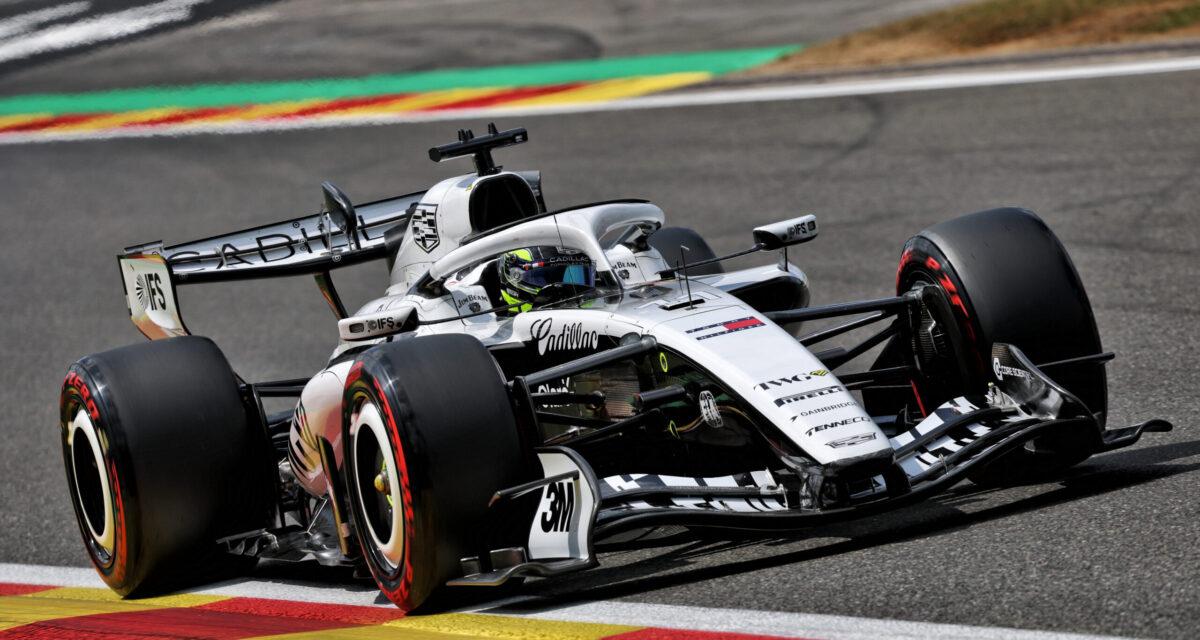
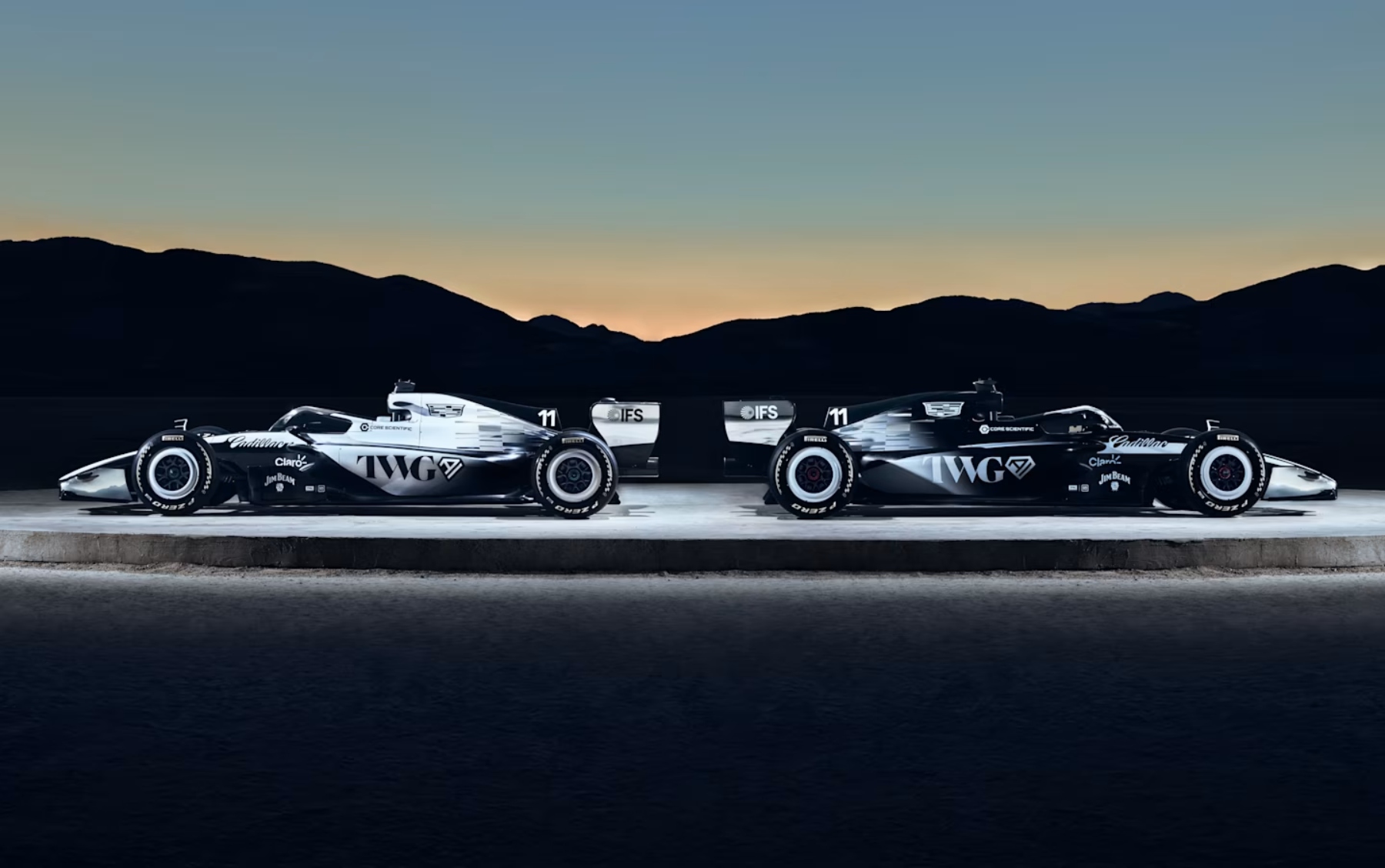
The visual identity of Cadillac F1 has undergone a quiet, yet calculated, metamorphosis. Since the Austrian Grand Prix, the striking, asymmetrical livery that defined the team’s arrival has vanished from the grid. For a team that launched with the bombast of a Super Bowl commercial and a NASA-inspired countdown, the move to a more conventional aesthetic might seem like a retreat. In reality, it is a pivot from a marketing-first identity to an engineering-first survival mode.
When Cadillac first emerged, it wasn't just a car reveal; it was a cultural event. Using a 30-second Super Bowl spot to reach 133 million viewers, General Motors positioned the team at the intersection of performance and entertainment. The original livery—a bold, 'divided' design featuring black on one side and a brilliant chrome on the other—was intended to be, in the words of CEO Dan Towriss, "unmistakably American."
The Marketing Blitz vs. The Technical Grind
The transition away from that asymmetrical 'robe' suggests the team has moved past its introductory phase. While the special livery seen in Miami captured fan attention, the team is now facing the cold, hard metrics of the 2026 technical regulations. Cadillac’s journey has not been a smooth ascent; it has been a race against a clock that was already ticking when they arrived.
The team’s technical hurdles have been significant. Unlike established giants who had access to Pirelli tires for wind tunnel testing from the start of the year, Cadillac was forced into a makeshift solution. Consultant Pat Symonds revealed a critical development gap: because they lacked official Pirelli tires for testing, the team had to manufacture their own. This resulted in a mismatch when the real tires finally arrived, forcing engineers to re-optimize much of the work already completed.
As Symonds aptly noted, the team’s reality was not that they started earlier than the competition, but rather that they started after them. This delay in the development cycle explains why the team’s raw pace has initially struggled to match the front-runners.
Data Over Hype: The Reliability Metric
If you look strictly at the timing screens, Cadillac’s early performance appears modest. During the Bahreïn testing sessions, driver Valtteri Bottas finished 17th among the 22 drivers on the grid. However, a sharp analytical eye looks past the lap times to the volume of work being performed. Cadillac is not chasing immediate miracles; they are building a foundation.
In the first week of testing, Cadillac's mileage was surprisingly competitive, proving that their reliability is currently their greatest asset. Despite being a brand-new entity, they managed to outwork several established names in terms of cumulative laps.

| Team | Testing Laps (First Week) |
|---|---|
| Cadillac | 320 |
| Alpine | 318 |
| Mercedes | 282 |
| Aston Martin | 206 |
Team Principal Graeme Lowdon has been refreshingly pragmatic about these figures. While the team ranked 10th in absolute best time during the Bahreïn tests, Lowdon has emphasized that the lack of major reliability or handling issues is a massive win for a rookie outfit. "I think we have a very good base on which to build," Lowdon stated, acknowledging that in an era of strict cost caps, stability is more valuable than a fleeting, unrepeatable burst of speed.
The Veteran Shield and the Power Roadmap
The strategic architecture of Cadillac is built on mitigating risk through experience. By pairing Sergio Pérez and Valtteri Bottas—two veterans with a combined 27 F1 seasons and 16 victories—the team has opted for stability over the volatile potential of youth. This duo provides the technical feedback necessary to navigate the complexities of the new 2026 hybrid regulations and 100% renewable fuels.
Furthermore, the team’s technical roadmap is a carefully managed transition. Cadillac is currently operating as a client team, utilizing Ferrari power units to bridge the gap to their own internal General Motors power plant. While the timeline for the GM engine remains a moving target—with plans to roll out their own units as the decade progresses—the current reliance on Ferrari provides the reliable backbone required to ensure they don't collapse under the pressure of their own ambitious entry.
Cadillac’s decision to change its look is a signal to the paddock: the era of the Super Bowl spectacle is over. The era of the long-term build has begun.
Sources
These sources formed the evidence pack for this article. Links open the original publisher; inclusion does not imply endorsement.
- fr.motorsport.com original
- Alwena Gerbaud original
- roadstr.fr original
- Louise du Manoir original
- Guillaume Alvarez original
- Rémy Georges original
- Yoline Olivier | PolePosition.ca original