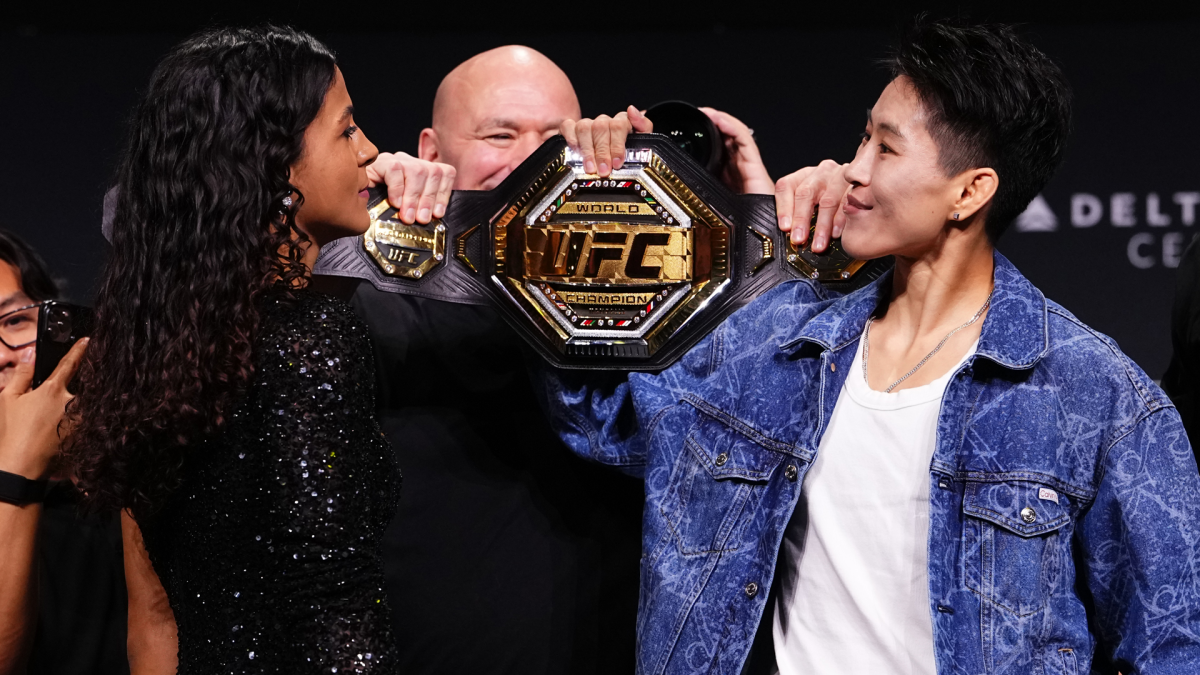
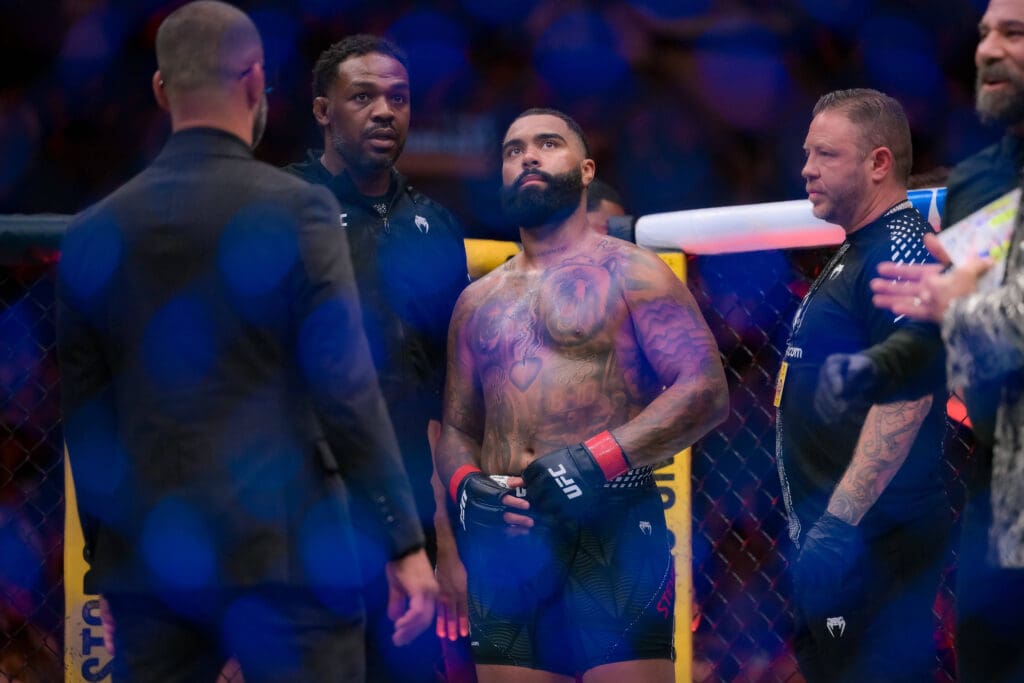
The monolithic era of combat sports is fracturing. For years, the industry’s center of gravity was tethered firmly to North American-based powerhouses, but the landscape of 2026 reveals a landscape undergoing a profound, decentralized shift. The future of fighting is no longer a winner-take-all game; it is a multi-polar network where regional promotions—once dismissed as mere feeder leagues—are emerging as the vital organs of a global industry.
This evolution is not accidental. It is a tactical response to a changing media environment and a desperate need for cultural relevance. Organizations like Poland's KSW and the European-based Oktagon MMA have mastered the art of the stadium-sized spectacle, proving that fighting resonates most when it is built on nationalistic pride rather than generic international branding. By centering local heroes, these organizations have turned regional events into tentpole cultural moments, filling 50,000-seat arenas that have become the envy of legacy promoters.
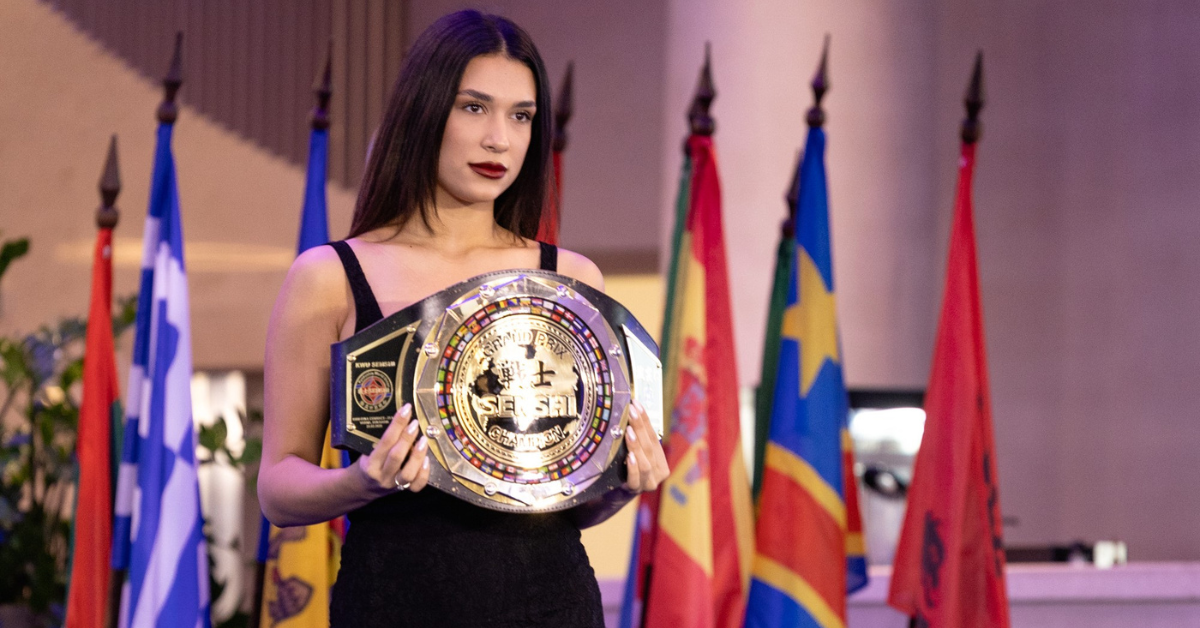
The current SENSHI 32 Grand Prix in Varna, Bulgaria, serves as a microcosm of this transition. On the beaches of the St. Constantine and Helena Resort, 16 fighters from 13 different nations are converging for an eight-man, one-night middleweight elimination tournament. There are no weeks of waiting between rounds; there is only the brutal, singular drama of a tournament bracket. This format mimics the high-stakes, elimination-heavy tension found in the ongoing 2026 FIFA World Cup, proving that the most successful combat ventures are now borrowing the structural DNA of traditional team sports to keep fans engaged.
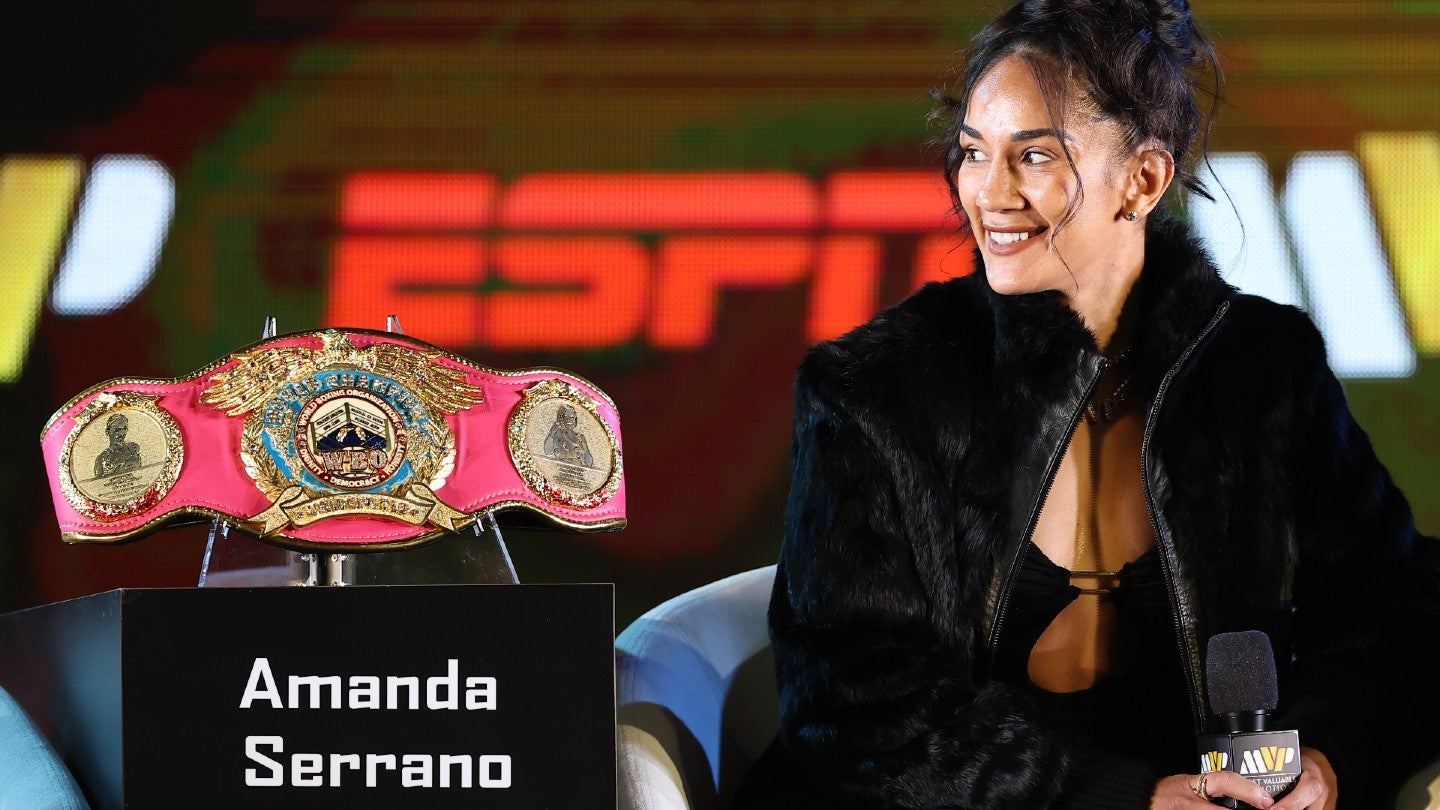
Digital distribution has effectively erased the friction that once kept regional fights trapped in their home markets. The barrier to entry for a fan in Brazil to watch a kickboxing event in Japan has vanished. Consequently, streaming deals have become the primary battleground. Most Valuable Promotions (MVP) is pushing this boundary further by announcing that the August 21 Amanda Serrano vs. Lucrezia Manzur title fight will be the first championship boxing event to air on TikTok Live. By pivoting toward platforms already inhabited by Gen Z and Gen Alpha, promoters are actively sidestepping the traditional broadcast cable model.
This tech-forward pivot extends into the training room. Regional hubs are increasingly integrating AI-based tracking solutions to monitor athlete heart rate variability (HRV) and striking force. These data points are no longer reserved for private medical files; they are being integrated into live broadcasts to provide fans with analytical depth, mirroring the sophisticated metrics that have fueled the growth of the sports analytics market, which is projected to reach over USD 26.31 Billion by 2032.
The implications for the athlete are perhaps the most significant shift of all. The democratization of the career path means that elite kickboxers and Muay Thai specialists no longer feel pressured to transition into MMA simply to survive. Platforms like ONE Championship and the revived Glory have provided sustainable, high-production homes for stand-up specialists, allowing them to build global brands while staying rooted in their native disciplines.
As the industry moves toward standardization—bolstered by the efforts of the World Association of Kickboxing Organizations (WAKO) and the International Mixed Martial Arts Federation (IMMAF) to implement Olympic-style regulation—the stigma of the "blood sport" is rapidly dissipating. This regulatory rigor is not just about athlete safety; it is a prerequisite for the blue-chip sponsorships that allow these promotions to scale.
The era of the solitary hegemon is ending. Whether it is the weekly "ONE Friday Fights" at Bangkok’s Lumpinee Stadium or a beach-side tournament in Bulgaria, the combat industry is thriving because it has stopped acting like a single product and started acting like a global community. The future of fighting is happening in every corner of the world, and for the first time, it is fully accessible to anyone with a connection.
Sources
These sources formed the evidence pack for this article. Links open the original publisher; inclusion does not imply endorsement.
- Timothy Wheaton original
- Roberto Villa original
- Combat Press original
- Alex Donaldson original
- Blake “Axe” Avignon original