The wild reception awaiting La Albiceleste in Córdoba left little doubt that the passionate bond between Argentina’s national squad and its supporters remains as powerful as ever. Touching down in the province to initiate its post-World Cup cycle with a match against Bolivia, the team was met with immense crowds and fervent local enthusiasm. Framed across the region as a genuine fiesta futbolística, the international date functions as both a festive homecoming and a vital launching pad for Argentina's next competitive chapter.
At the center of tactical attention on the pitch stands Lautaro Martínez. The forward enters this match against Bolivia with an eye on significant individual history as he looks to close the gap on Sergio Kun
Agüero’s goal tally for the national team. Positioned as the primary focal point in attack, Martínez carries the responsibility of leading the front line while aiming to advance his standing among Argentina’s all-time modern goalscorers before an animated home crowd.
Navigating Succession and Expanded Fan Festivities
Beyond the immediate clash in Córdoba, conversations surrounding the national team continue to focus on long-term generational continuity. Reflecting on the heavy symbol of the legendary number 10 shirt, the first player to wear the iconic number following Diego Maradona’s departure famously observed that Hay vida después de Messi
—a reminder that the identity of the national team endures across distinct eras. Meanwhile, off the pitch, administrative plans to connect with supporters remain active, with the Argentine Football Association (AFA) officially confirming the Gracias, Leo
Fan Fest to run alongside Argentina's scheduled friendly against Benin.
World Cup Post-Mortems, Officiating Scrutiny, and Venue Legacy
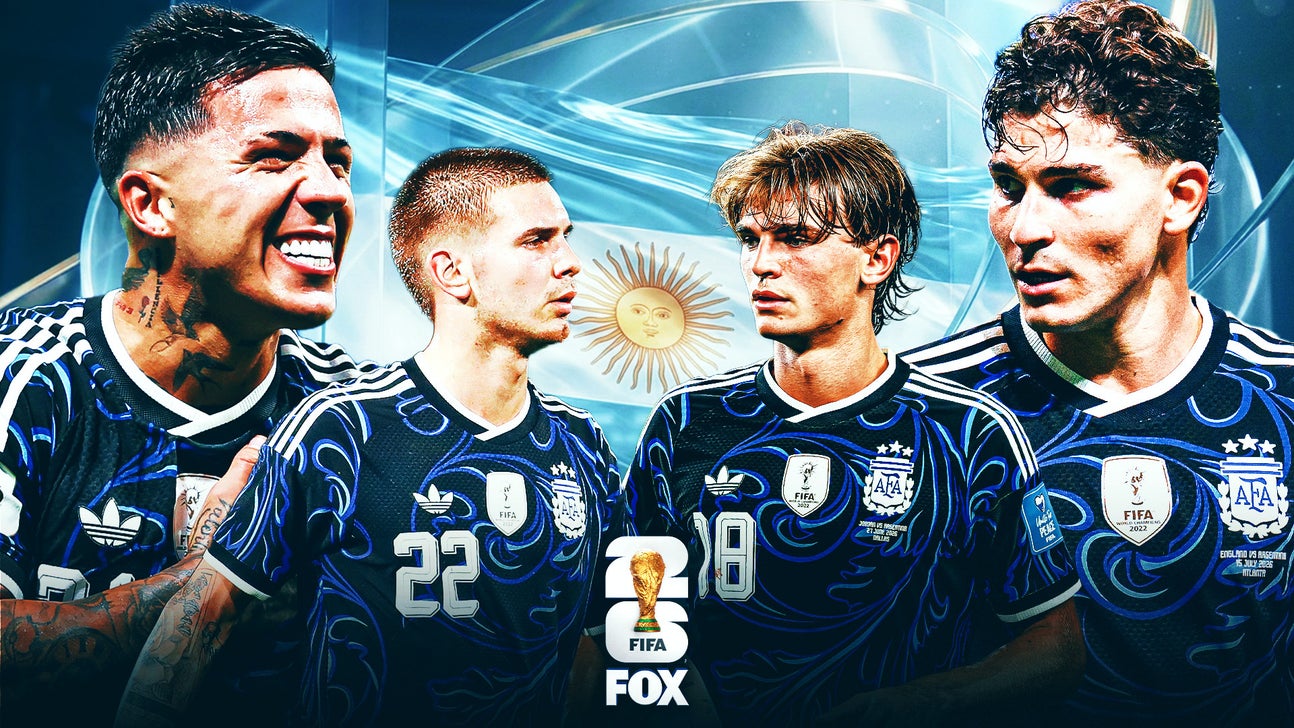
Even as La Albiceleste turns its focus toward new international commitments, discussions surrounding the recent World Cup continue to circulate across the football world. Reflecting on his side's defeat against Argentina, Thomas Tuchel spoke openly about the lingering emotional impact of the loss, describing it candidly: Es mi cicatriz
(It is my scar). Simultaneously, administrative debates regarding the tournament's commercial structure were put to rest when FIFA President Gianni Infantino backtracked on potential World Cup sale concepts, asserting plainly that No avanzará
(It will not move forward). On the managerial front, Sebastián Beccacece forcefully dismissed conspiratorial claims suggesting Argentina had surrendered or thrown the World Cup final.
Retrospective scrutiny has also focused on key officiating moments from the tournament. Referee Slavko Vincic detailed his dialogue with Lionel Messi during the World Cup final, while official Joao Pinheiro addressed a separate touchline exchange, stating that Messi Lo interpretó de manera errónea
(interpreted it incorrectly). In addition, the International Football Association Board (IFAB) formally acknowledged an officiating error, confirming that the red card shown to Switzerland's Breel Embolo against Argentina was incorrect. On a celebratory note, FIFA officially selected a strike featuring Argentina as the best goal of the World Cup, while the tournament's venue footprint remains notable as Arrowhead Stadium underwent a spectacular renovation after serving as the venue for two of Argentina's matches during the tournament.
Evidence-Led Forecast: Argentina vs. Bolivia in Córdoba
Sources
These sources formed the evidence pack for this article. Links open the original publisher; inclusion does not imply endorsement.
- livecasinorank.com.ar original
- onlinecasinorank.com.ar original
- nuevocasinorank.ar original
- bolavip.com original
/https://i.s3.glbimg.com/v1/AUTH_bc8228b6673f488aa253bbcb03c80ec5/internal_photos/bs/2026/M/4/gvLLnEQwa5dCObcqIidQ/2026-09-27t193423z-1849341715-up1em9r1idaph-rtrmadp-3-football-nfl-bal-dal.jpg)