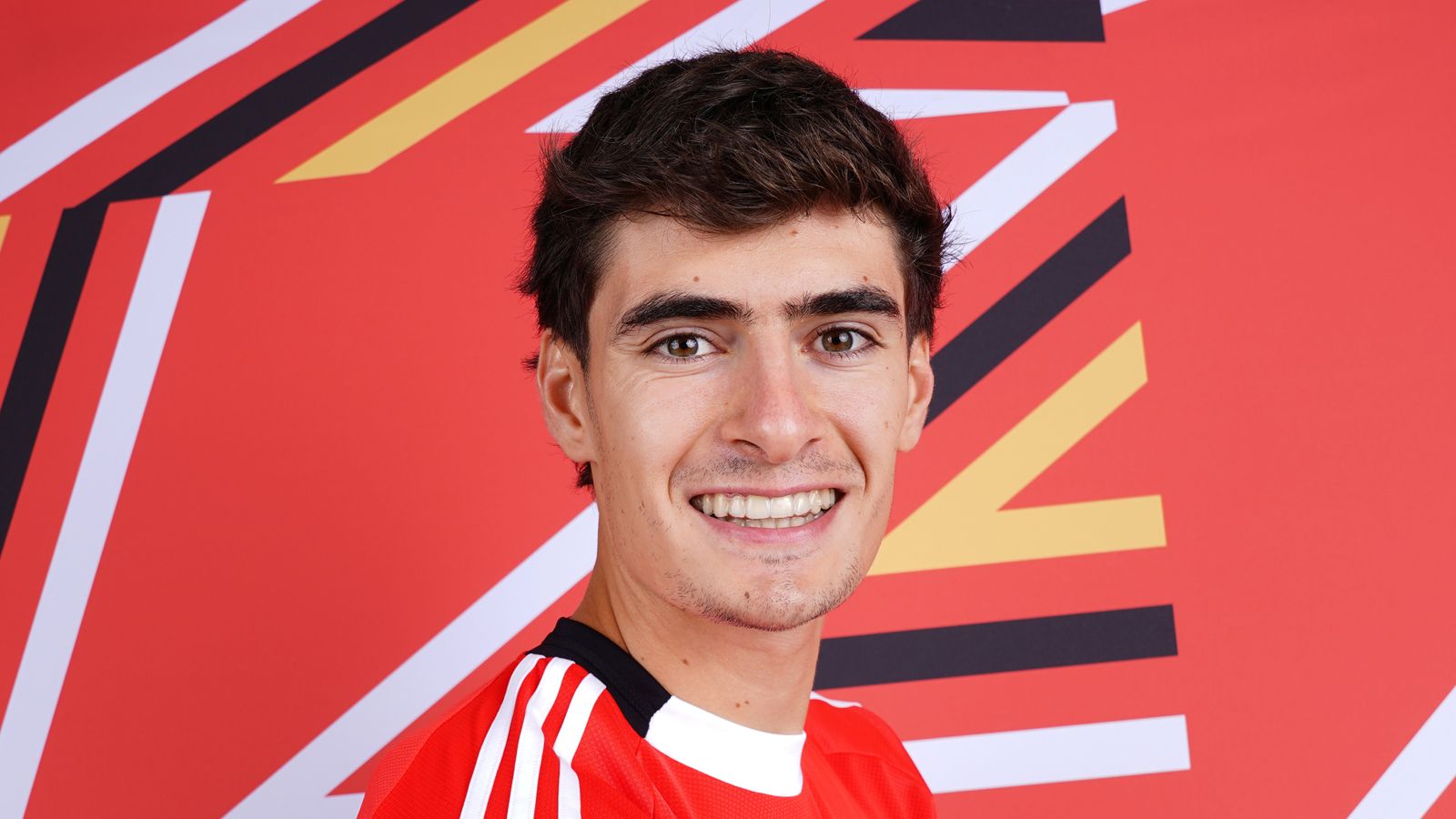
When Benfica finally cleared the path after securing their Europa League qualifying-round victory over Swiss side St Gallen on Thursday, Bournemouth didn't hesitate. The ensuing £25.7 million deal—structuring an initial £21.4 million outlay with a further £4.3 million in add-ons—brings Portugal international Antonio Silva to the south coast. For a club that watched Illia Zabarnyi depart for Paris Saint-Germain, Dean Huijsen leave for Real Madrid, and Marcos Senesi walk out to Tottenham on a free transfer over the past year, the arrival of a 22-year-old with 181 senior appearances for Benfica represents a calculated defensive overhaul.
Silva enters a squad navigating a historic transition. Having finished sixth in the Premier League last season under Andoni Iraola—securing the highest top-flight finish in club history—the Cherries now enter a maiden European campaign under the guidance of new head coach Marco Rose. Rose steps into a continuity role, preserving elements of the vertical, high-pressing Red Bull blueprint that Iraola championed. Yet, conceding 54 goals across the 2025-26 league schedule highlighted a glaring need for structural solidity at the back. Silva is tasked with directly absorbing the responsibilities left vacant by Senesi.
The Anticipation Engine: Beyond Reactive Defending
To understand why this acquisition represents a coup for a club outside the traditional European elite, one must examine how Silva operates in possession and out of it. Joao Nuno Fonseca, who coached Silva during his formative development years at Benfica, points to a distinct cognitive profile that separates the defender from his peers.
Antonio is an anticipation-based defender rather than a reactive one,
Fonseca explains Sky Sports. You see a lot of reactive centre-backs. He is not one of those. Antonio understands what will happen next.
That reading of time and space allowed a teenage Silva to break swiftly into Benfica's first team during the 2022-23 season, netting a memorable Champions League goal against Juventus at just 18 years old and earning a World Cup call-up with Portugal later that year. His domestic numbers underscore that proactive style: across 108 Primeira Liga appearances, Silva ranks second within Benfica's squad for successful passes (5,792), aerial duels won (218), and clearances (362).
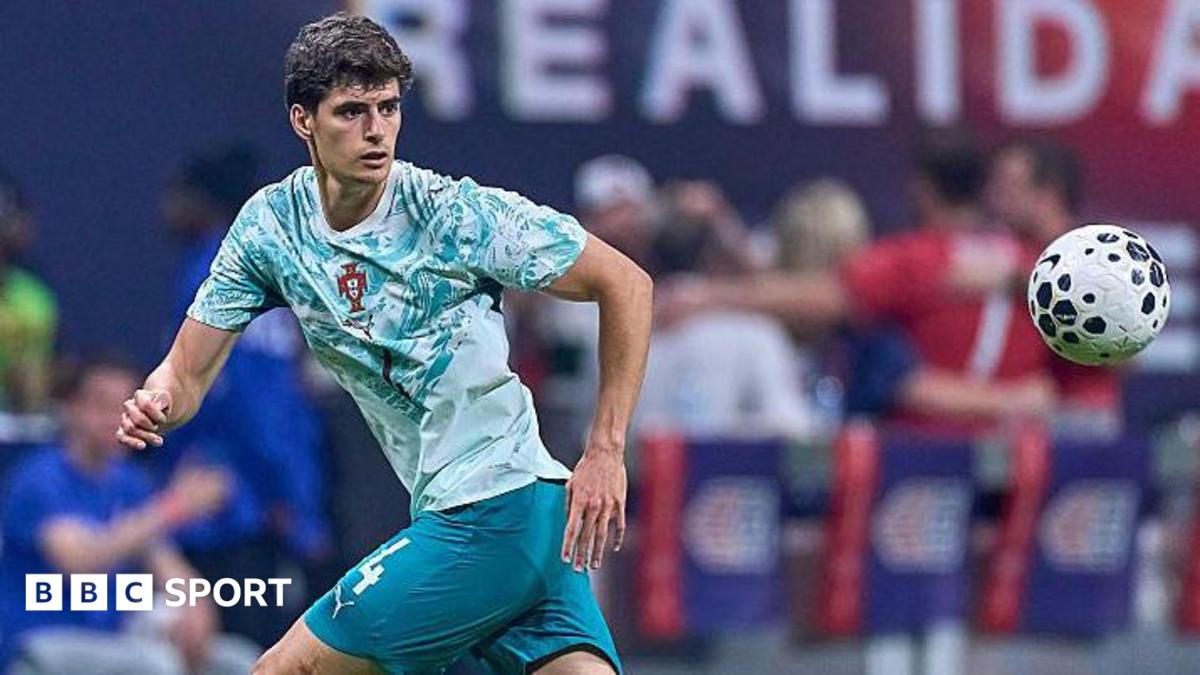
In Marco Rose's tactical framework, those metrics matter immensely. Rose demands aggressive defensive positioning and lines that compress space high up the pitch. Silva's timing in tackles and natural authority in the air align directly with these demands.
The Ball-Playing Catalyst
Beyond defensive interventions, Silva arrives as a modern distributor capable of maintaining Bournemouth's verticality. Comfortable receiving passes on either foot, he brings a varied passing range that includes line-breaking ground balls and clipped diagonals.
One of the best things he has is the diagonal switches that he can do without looking,
Fonseca notes Sky Sports. He is very, very talented at that.
This skill set addresses a specific structural need. As Bournemouth attempt to stabilize following a summer that saw over £200 million in player departures last year, President of Football Operations Tiago Pinto emphasized the maturity the young defender brings.
Despite being only 22, he has already built an outstanding level of experience at one of Europe's biggest clubs, playing consistently in domestic, European and international competitions,
Pinto told the club's official website AFC Bournemouth. Those experiences have helped shape him into a defender with real maturity and leadership qualities.
Navigating the Stalled Momentum
It is worth addressing the friction in Silva's recent timeline. After early, meteoric success—including 20 international caps and squad selections for the 2022 World Cup and Euro 2024—his career trajectory hit turbulence. He was omitted from Roberto Martinez’s Portugal squad for the summer tournament, and Fonseca concedes that remaining at Benfica longer than anticipated created a period of stagnation.
Yet, a season working under Jose Mourinho during an unbeaten league campaign provided valuable ballast. Now, stepping into the Premier League presents a distinct challenge. As Fonseca observes, the English top-flight offers no respite; the examination is week-by-week rather than sporadic European fixtures, and the margin of error is razor-thin.
Squad Context and Forward Outlook
Silva becomes Bournemouth’s second major summer addition, following striker Alvaro Rodriguez from Elche in a deal also valued up to £25.7 million. While the club works to insulate itself against further disruption—actively resisting outside interest in key figures like Alex Scott and Rayan—the training ground has absorbed a heavy blow with forward Eli Junior Kroupi sidelined for three to four months following surgery on a fractured fifth metatarsal sustained in Austria.
In Kroupi's absence during the opening months of their European and domestic commitments, defensive stability becomes even more paramount. Silva's integration alongside returning and restructured pieces will dictate how smoothly Rose's side adapts.
If Silva applies his trademark attentiveness to the unique physical demands of English football, Bournemouth may find they have not merely replaced Marcos Senesi, but secured the foundational pillar for their next phase of growth.
Sources
These sources formed the evidence pack for this article. Links open the original publisher; inclusion does not imply endorsement.
- Sky Sports original
- Nizaar Kinsella - Football reporter Fri, July 31, 2026 at 9:02 AM UTC · 1 min read original
- fotmob.com original
- BBC original
- bbc.co.uk original