Scores, fixtures and picks
These fixtures are connected to teams or competitions named in the article. Live status and scores come from the normalized SportyPulses data feed; predictions are reader picks, not betting advice.
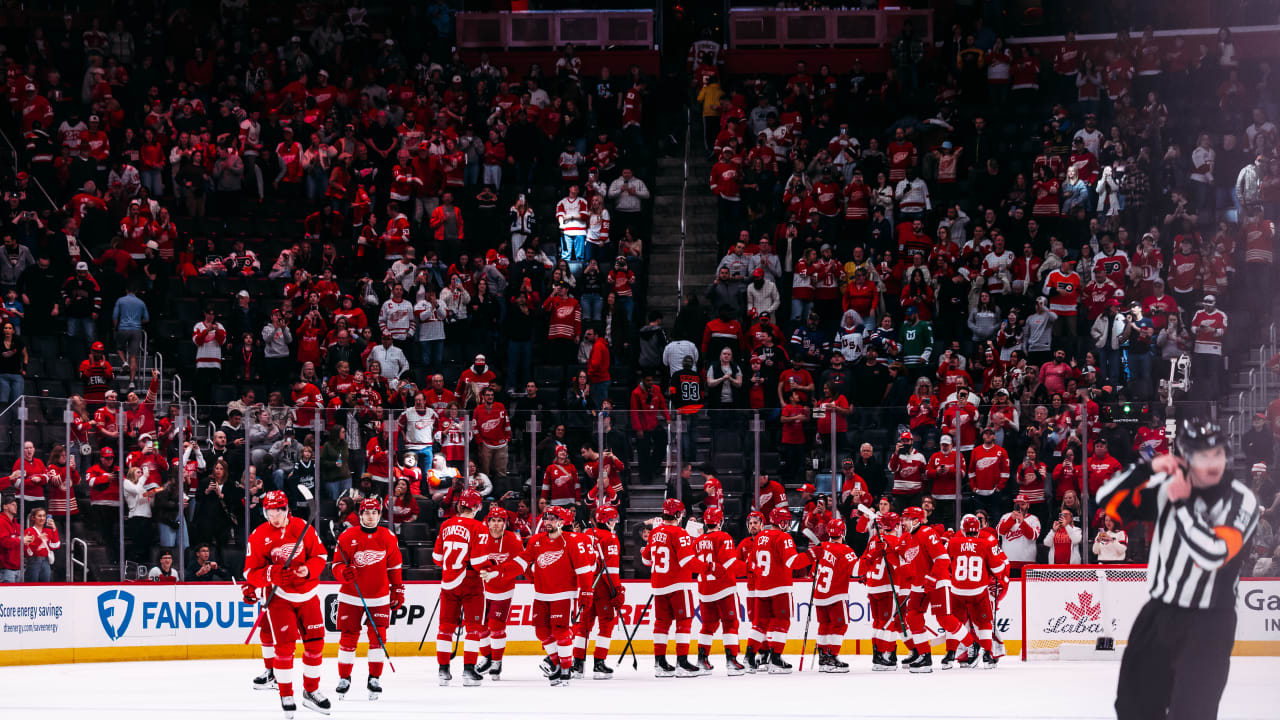
When the Detroit Red Wings cleaned out their lockers at Little Caesars Arena following another premature end to a campaign, the atmosphere was thick with the weight of unfulfilled promise. For a franchise mired in a decade-long postseason drought, the 2025-26 season offered a particularly cruel tease. Through their first 53 games, the Red Wings sat proudly tied with the Carolina Hurricanes atop the Eastern Conference, playing the kind of disciplined, confident hockey that suggested the corner had finally been turned. Then came the collapse: a 9-15-5 freefall over the final 29 games that dragged Detroit seven points back of the Ottawa Senators for the final wild-card spot.
Amid the wreckage of late-season collapses, swirling trade requests from captain Dylan Larkin, and the eventual end of Steve Yzerman’s turbulent front-office tenure, clarity is a rare commodity in Hockeytown. Yet amidst the organizational crosswinds, 25-year-old franchise defenseman Moritz Seider has chosen a singular, unshakeable anchor: his own internal standard of growth.
“Once again, we were close and kind of sitting here talking about the same stuff every year,” Seider told reporters as the summer reset began, as quoted by NHL.com. “In the end, the answer is pretty simple: We just got to be better as a team and as individuals. We got to put in the work in the summer and hopefully everyone is thinking the same thing that I’m saying right now. And then, we can become a better hockey team.”
That call for internal ownership carries weight coming from Seider, who has logged heavy minutes and elite responsibility since bursting onto the scene as a Calder Trophy winner with a 50-point rookie campaign. Fresh off a career-best 60-point season that earned him well-deserved Norris and Hart Trophy votes, the German blue-liner anchors Detroit's top pairing alongside rapidly rising partner Simon Edvinsson. While the front office shifts around him and the roster undergoes a profound existential evaluation under a new administrative structure, Seider's trajectory remains the most stable pillar in the organization.
To understand Seider’s developmental focus is to examine the tactical ecosystem he patrols. Underneath the team's defensive structure, the Red Wings battled consistency issues as play hardened following the NHL’s Olympic break. Teammate Lucas Raymond noted how the team drifted away from its high-volume shooting identity when opponents tightened up checking lanes in March. For Seider, navigating those physical, high-stakes minutes requires an escalation in individual tactical maturity—reading forechecks quicker, managing puck distribution under heavy cycles, and insulating a transition game that too often stalled when momentum dipped.
The broader Detroit depth chart faces heavy scrutiny heading into the new season. With summer additions like Viktor Arvidsson and Keegan Kolesar aiming to shore up five-on-five scoring and bottom-six physicality, the supporting cast is shifting. But the ultimate ceiling of the Red Wings' blue line rests squarely on the shoulders of Seider and Edvinsson. As Edvinsson noted of the collective frustration, Everybody works so hard, but we still don’t get it done. We really need to figure that out.
Seider is bypassing the noise of external expectations and front-office transitions by returning to the fundamental mechanics that made him an elite NHL presence from his opening shift. For a team searching for its identity in the Atlantic Division, that quiet, relentless dedication to individual progression may well be the most valuable asset left on the ice.
Sources
These sources formed the evidence pack for this article. Links open the original publisher; inclusion does not imply endorsement.
- sportsnet.ca original
- nytimes.com original
- nhl.com original