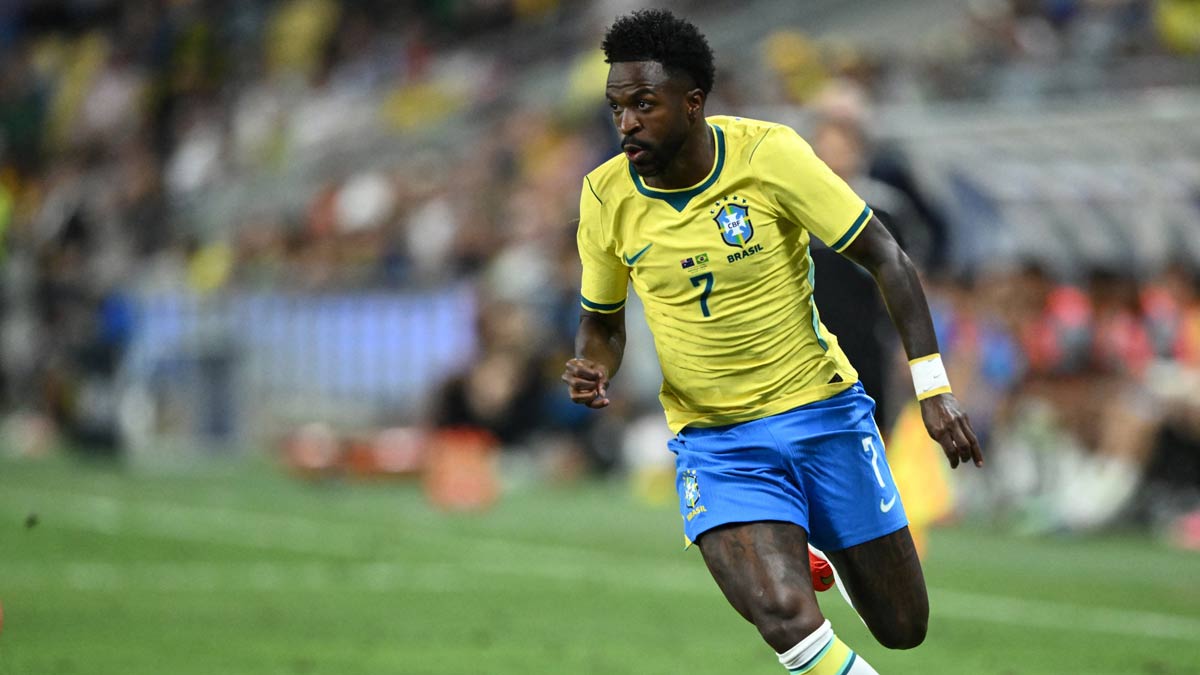
When the 2026 FIFA World Cup bid book promised the first-ever tournament framed explicitly around human rights, the governing body set a benchmark it is now struggling to meet. With the tournament co-hosted across the United States, Mexico, and Canada, human rights defenders and international fan coalitions have raised alarms over what they describe as a mounting atmosphere of exclusion, surveillance, and apprehension.
At the center of the mounting friction is the political climate under the Trump administration and the stark divergence between FIFA’s public messaging—epitomized by its universal motto Football unites the world
—and the ground-level enforcement policies carried out by domestic agencies.
The Structural Chasm: Rhetoric Versus Enforcement
Leading the pushback is the Sports and Rights Alliance (SRA), working alongside organizations such as Amnesty International, Human Rights Watch, Reporters Without Borders, and Football Supporters Europe (FSE). In direct correspondence addressed to FIFA President Gianni Infantino, SRA Executive Director Andrea Florence outlined a series of urgent demands that have thus far received little substantive response beyond child-protection statements.
Central to the anxiety are the actions of U.S. Immigration and Customs Enforcement (ICE). According to official U.S. government data, ICE and allied agencies detained roughly 167,000 individuals in and around the eleven U.S. host cities slated to stage 78 of the tournament's 104 matches, and hundreds of thousands nationwide throughout 2025. Activists emphasize that these operations frequently involve plainclothes, masked officers targeting non-white communities, setting a precarious precedent for traveling supporters, foreign workers, and civil society participants.
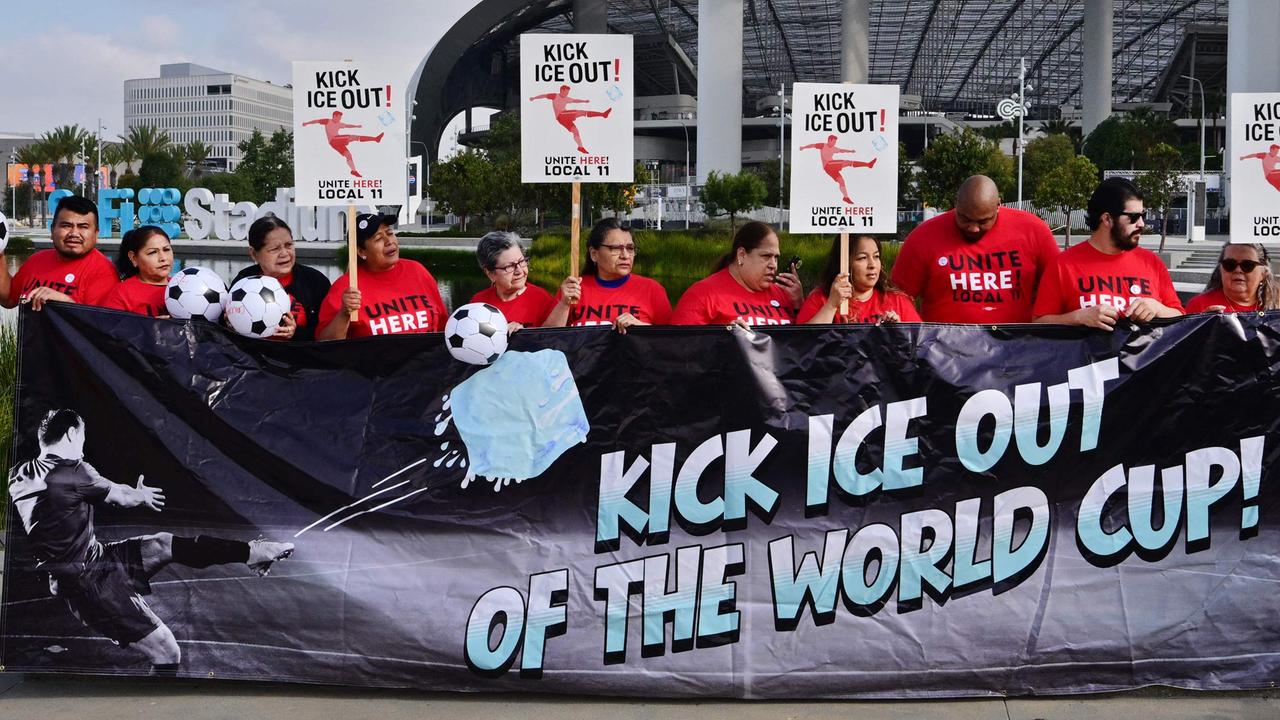
- Immigration Enforcement Protections: Demanding guarantees that federal immigration enforcement actions will be suspended during the tournament.
- Visa Equity: Challenging active visa bans and restrictions impacting fans and teams from nations including Haiti, Iran, Senegal, and Côte d'Ivoire.
- Digital Privacy: Addressing requirements for travelers to disclose private data, including extensive social media histories and browser logs.
- Independent Monitoring: Establishing a transparent, third-party oversight mechanism for human rights throughout the competition.
Supporter Isolation and the Ticket Cost Crisis
For match-going fans, the sense of alienation extends beyond immigration controls into ticketing structures and operational access. Martin Endemann of Football Supporters Europe pointedly criticized the governing body's approach during public briefings, stating that fans feel entirely left behind by an organization behaving with an aura of arrogance.
Unlike previous tournaments—including Qatar 2022, where discounted ticketing structures existed for disabled spectators—organizers have faced severe criticism over prohibitive pricing and a perceived indifference toward supporter welfare. Endemann noted that FSE lodged a formal complaint with the European Commission regarding inflated ticketing prices, though acknowledging that an official adjudication before kickoff remains unlikely. Furthermore, security protocols remain an opaque unknown for traveling crowds. Concerns persist over how local law enforcement will handle minor infractions, such as public alcohol consumption, in a nation where civil protests have previously met with extreme operational force.
Press Freedom and the Digital Self-Protection Dilemma
The chilling effect is not limited to supporters in the stands. Accredited journalists face acute operational challenges regarding digital privacy and state surveillance. Christian Mihr of Reporters Without Borders issued stark guidance to visiting reporters, advising them out of self-protection to wipe their social media accounts and clear browser histories prior to entering the United States. Mihr expressed deep disappointment with FIFA, asserting that the organization carries a moral and practical obligation to secure unhindered entry and operational safety for the international press.
The Geopolitical Alignment and DFB Stance
Critics have additionally targeted FIFA leadership for cozy political optics. In December, Gianni Infantino awarded Donald Trump a newly minted FIFA Peace Prize,
a move that human rights advocates characterize as active facilitation of sportswashing. Meanwhile, national football associations have largely maintained a policy of diplomatic distance. German Football Association (DFB) President Bernd Neuendorf defended Infantino's award distribution while deflecting political evaluations to the federal government, declining requests for detailed interviews on the matter.
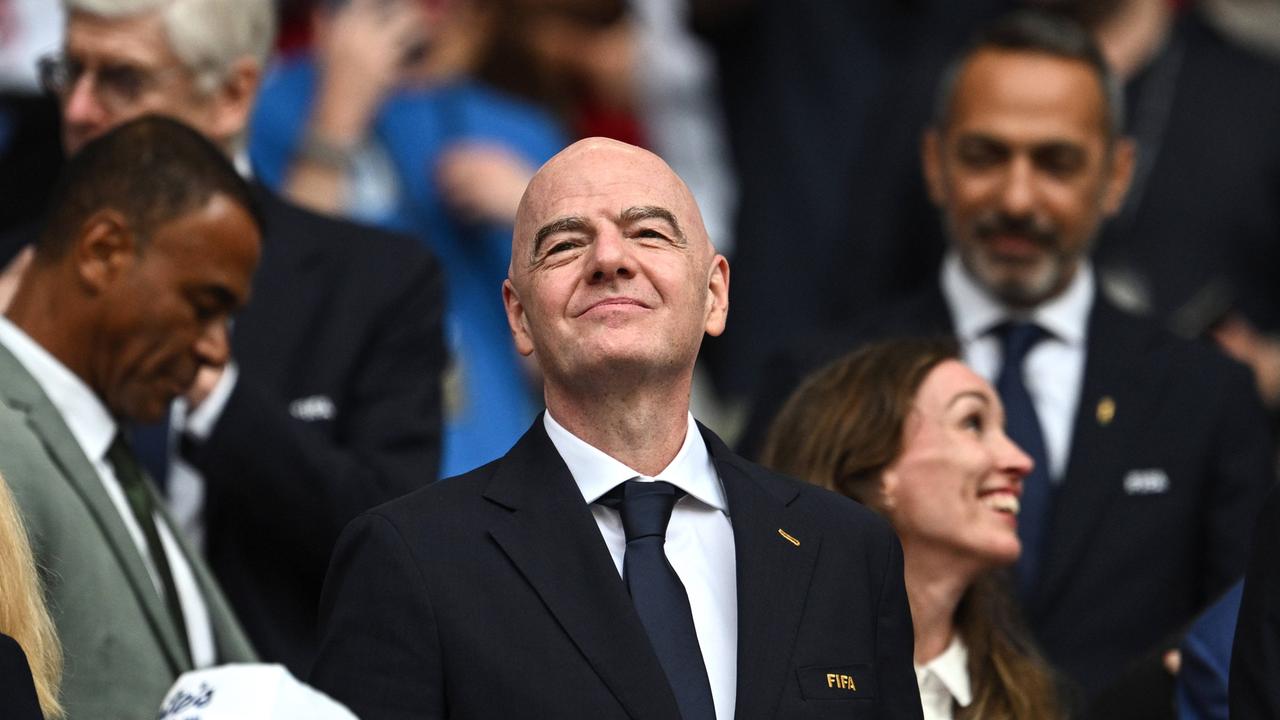
As the tournament approaches, the fundamental tension remains unresolved. While FIFA continues rolling out anti-racism and peace campaigns, the institutional refusal to intervene directly in U.S. domestic visa policies or guarantee immunity from immigration enforcement leaves visiting communities navigating an unprecedented climate of uncertainty.
Sources
These sources formed the evidence pack for this article. Links open the original publisher; inclusion does not imply endorsement.
- Benjamin Best, Washington original
- Benjamin Best original
- www.fr.de original
- Chaled Nahar original