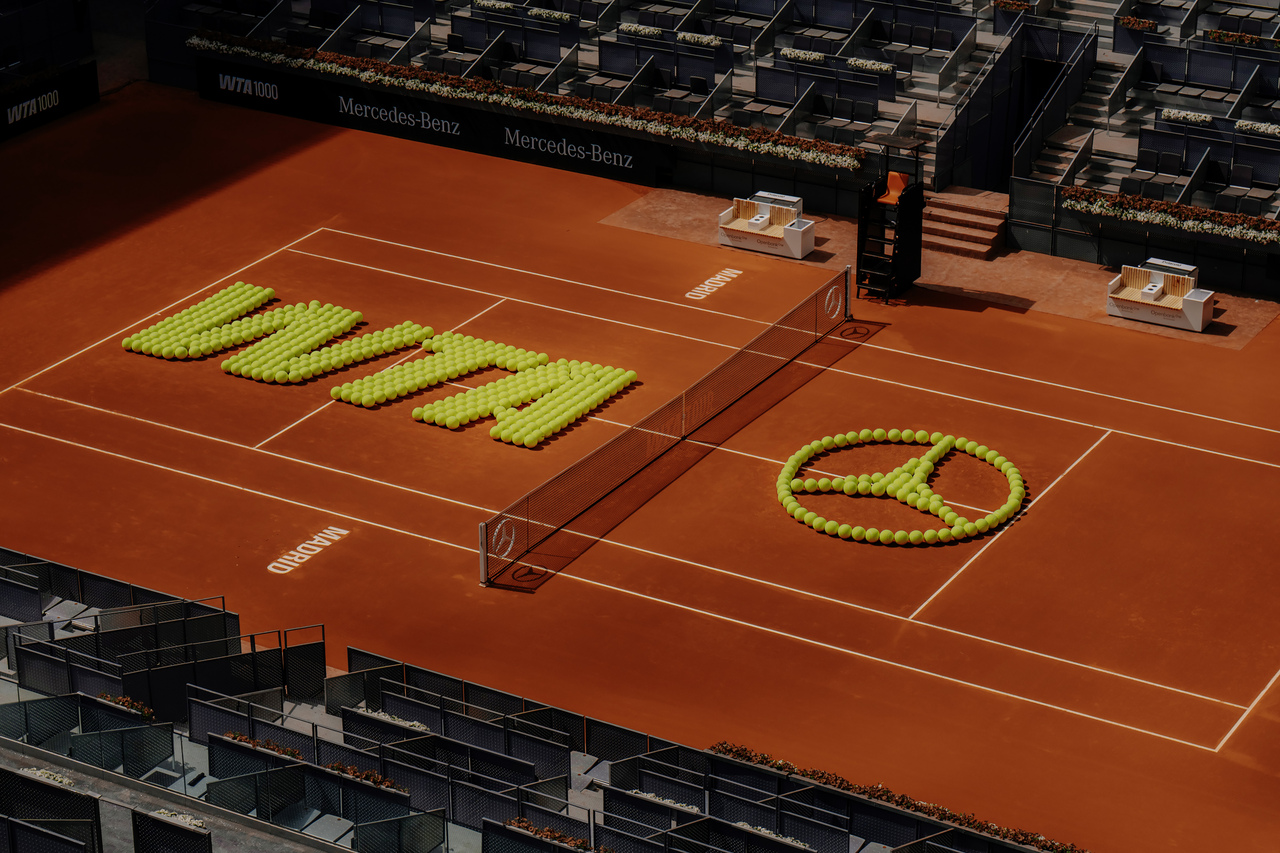
When players staged a coordinated 15-minute media day boycott at Roland Garros to register their frustration over grueling calendar demands, the action forced a structural reckoning across professional tennis. The WTA responded with a comprehensive reform package embedded in its 2027 schedule, covering 55 events across 26 countries and territories. Anchored by equal prize money across all seven combined WTA 1000 tournaments and reduced workload obligations for elite competitors, the overhaul represents the tour's most direct administrative recalibration in years.
Equity at the Summit: The Seven-Tournament Map
The headline financial shift resolves a long-standing parity gap in top-tier tennis. While the four Grand Slams, the United Cup, and four combined 1000-level events—Indian Wells, Miami, Madrid, and Beijing—had already instituted equal prize money, three combined stops remained unaligned: the Internazionali BNL d'Italia in Rome, the National Bank Open in Canada (Montreal/Toronto), and the Cincinnati Open. Although the Italian Tennis Federation previously targeted equal payouts in Rome by 2025, that timeline slipped. The 2027 calendar officially brings those three joining events alongside the existing four, reaching 100% parity across all seven combined WTA 1000 events and fulfilling a foundational ambition established when Billie Jean King and the Original 9 founded the circuit in 1973.
To assist tournaments with the financial transition toward equal payouts, the WTA is introducing a targeted Tournament Investment Fund. Modeled after central funding models common to other professional sports leagues, the fund directs financial support to select markets where targeted aid is needed to strengthen overall tour health without destabilizing individual event balance sheets.
blockquote>The WTA is stepping up to deliver more for players and tournaments in 2027. We have listened to player feedback on the demands of the calendar, and responded with a meaningful reduction in commitments. Achieving equal prize money across all combined WTA 1000 tournaments is a major milestone for tennis. It demonstrates the WTA's continued commitment to leading the sports industry in delivering our athletes competitive and financial equality, and is a testament to the enduring nature of the founding vision of the WTA.

Pilot Autonomy and the New Ranking Arithmetic
Parallel to the financial mandate, the WTA Board approved a pilot calendar structure for 2027 designed to ease player fatigue while maintaining strong competitive fields. Formulated by the Tour Architecture Council—a working group chaired by world No. 3 Jessica Pegula alongside player representatives, tournament directors, and WTA executive leadership—the pilot grants elite players substantially greater control over their season schedules.
Under the updated framework, mandatory WTA 500 commitments for top-50 players will drop from six events down to four. That reduction trims the overall mandatory schedule baseline to 18 tournaments (14 WTA tour events plus the four Grand Slams). Furthermore, ranking mechanics are undergoing a key adjustment: players will be allowed to replace a lower WTA 1000 score on their ranking breakdown with a superior point total earned at a WTA 500 or WTA 250 event.
| Policy Metric | Previous Framework | 2027 Pilot Framework |
|---|---|---|
| Equal Pay Staging | 4 of 7 Combined 1000s | 100% of Combined 1000s (Adding Rome, Cincinnati, Canada) |
| Top 50 WTA 500 Mandate | 6 Events | 4 Events |
| Minimum Required Schedule | 19+ Events | 18 Events (14 Tour + 4 Grand Slams) |
| Ranking Calculation Rule | Strict Mandatory 1000 Counting | WTA 1000 Scores Replaceable by Superior 500/250 Scores |
This point substitution rule provides a tangible incentive for players to enter smaller tournaments when fresh, rather than grinding through mandatory 1000-level draws while managing physical depletion or minor health setbacks.
blockquote>As players, we're on the road most of the year, so having more flexibility in our schedules and commitments makes a real difference. The 2027 changes give us more ability to build our seasons around our own goals -- competitively and personally. That's an impactful step forward for players.
Funding Mechanics and Charlotte's Anchor Mandate
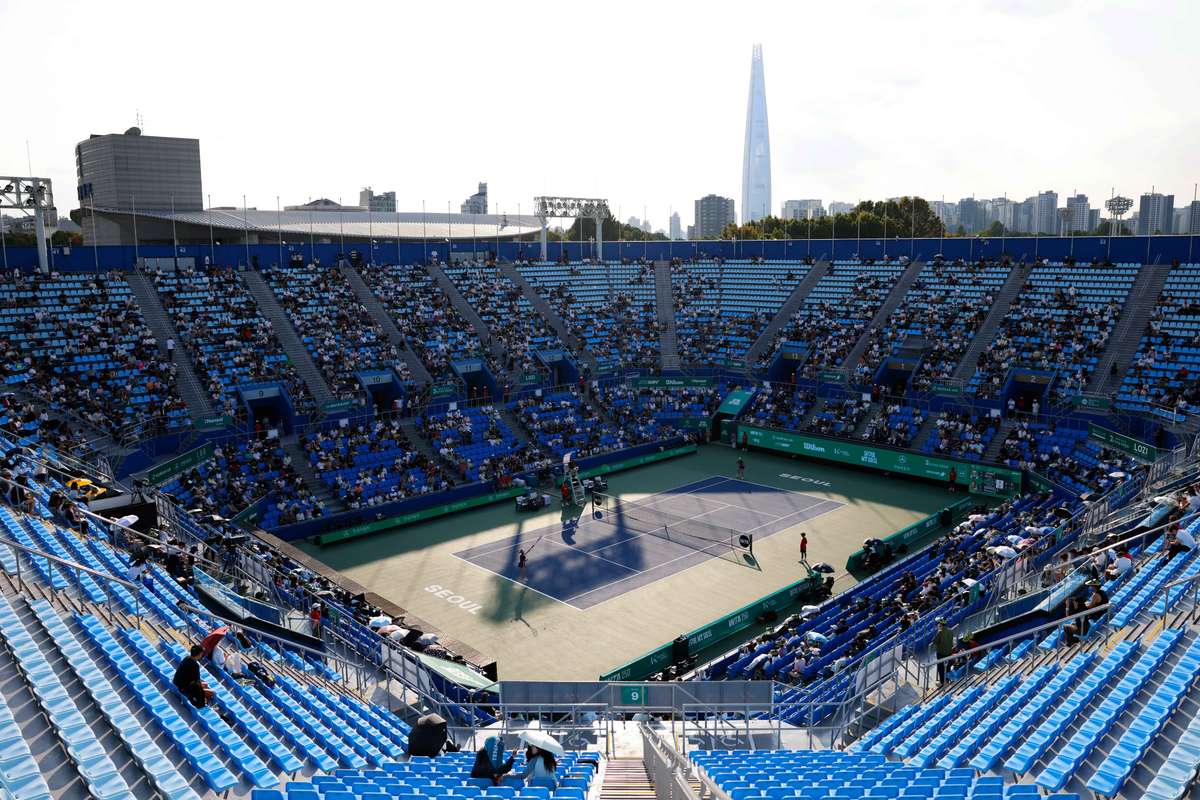
The 2027 schedule also establishes updated geographic anchors across the global tour. Expanding its reach into Southeast Asia, the circuit adds a brand-new WTA 250 tournament in Manila, Philippines. At the culmination of the season, the prestigious WTA Finals will move to Charlotte, North Carolina, under a multi-year hosting agreement locked in for at least three seasons through 2029.
Core Blueprint of the 2027 Reforms
- Universal Combined 1000 Parity: All seven combined ATP/WTA 1000 tournaments will award equal prize money pools.
- Central Funding Model: The Tournament Investment Fund provides financial support to help select regional markets implement pay equity.
- Reduced Workload: Mandatory WTA 500 appearances for top-50 players drop to four, bringing the minimum required schedule to 18 events.
- Flexible Ranking Math: Stronger results from WTA 500 or 250 events can replace lower mandatory WTA 1000 scores.
- Evaluation Period: Structural calendar measures operate as a one-year trial in 2027, allowing leadership to evaluate the impact before making decisions for 2028 and beyond.
By pairing systemic schedule relief with complete top-tier pay parity, the WTA and the Tour Architecture Council have turned player friction into concrete policy reform. The 2027 pilot will serve as a vital case study in whether reduced physical demands on athletes can comfortably coexist with commercial expansion across professional sports.
Sources
These sources formed the evidence pack for this article. Links open the original publisher; inclusion does not imply endorsement.
- wtatennis.com original
- ilfattoquotidiano.it original
- spaziotennis.com original
- flashscore.com original


