English cricket has a peculiar relationship with its own history. When structures fracture and coaching personnel shift, the memory of how things used to feel—or how a single partnership attempted to rewrite the red-ball manual—takes on an entirely different weight. The tenure of Brendon McCullum as Test coach, paired with the leadership of Ben Stokes, arrived in the spring of 2022 like a sudden storm clearing out stagnant air. For veterans who had weathered the low-confidence winters of 2021, the shift was stark. Stuart Broad noted that while the philosophy itself wasn't entirely foreign to the global game, the execution in an English dressing room was revolutionary: It's just quite new for an English cricket team to have this mindset and not fear getting out. It was incredibly refreshing to play.
Yet, looking back from the vantage point of ongoing coaching changes and white-ball divides, the romanticism of those early days runs hard against reality. Alastair Cook, speaking with his characteristic bluntness amid fresh management upheaval, diagnosed the contemporary set-up as a genuine mess—contrasting it sharply with the stable, methodical direction once engineered by figures like Andy Flower and Trevor Bayliss. The friction has never simply been about a scoreboard ledger of runs and wickets. It has been about definition.
McCullum himself made no secret of his disdain for the media-coined moniker “Bazball,„ arguing that it reduced rigorous physical and mental preparation to a caricature of mindless slogging. In a candid assessment on the For the Love of Cricket podcast, the coach pushed back against external perceptions: I find it slightly disrespectful to all of you guys and all of the people in the set-up who work so hard and have such clear determination of wanting to succeed, to have that so simply categorised, almost.
His primary objective, alongside Stokes, was never tactical rigidity; it was stripping away the paralyzing fear of failure that traditionally suffocated international talent.

To understand why the approach resonated so deeply—and why its current fragmentation feels so jarring—it helps to map the shift in core tenets between the old guard and the McCullum era:
| Dimension | Traditional English Approach (Pre-2022) | The McCullum-Stokes Era |
|---|---|---|
| Primary Metric | Survival, preservation of wicket, patience | Entertainment, momentum, forcing a result |
| Risk Tolerance | Low; avoiding mistakes prioritized | High; willing to lose to win |
| Dressing Room Atmosphere | High scrutiny, burden of past failures | Freed-up mindset, active minimization of fear |
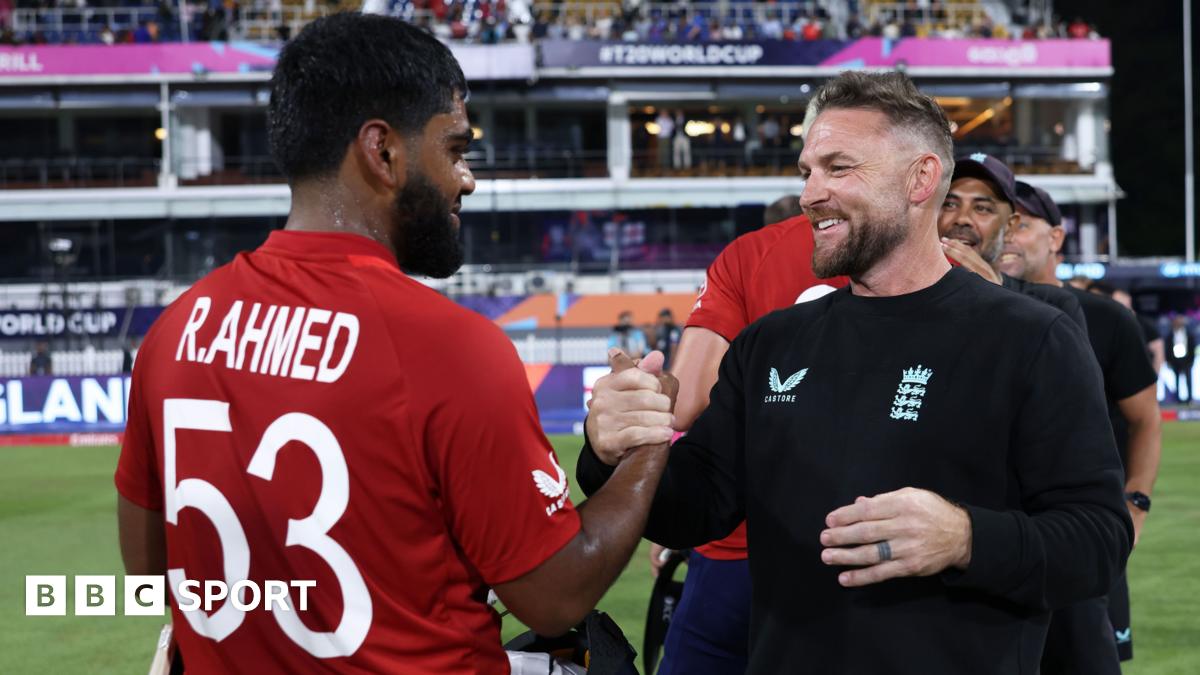
Even as the white-ball setup experienced turbulence—such as early exits and series losses under Harry Brook's captaincy—flashes of the original red-ball ethos managed to surface in unexpected arenas. During the T20 World Cup in Sri Lanka, young talents like Rehan Ahmed and Will Jacks executed run chases with a reckless abandon that felt straight out of the 2022 Pakistan tour playbook. Ahmed recalled a quintessential piece of sideline instruction during a high-pressure moment: Baz actually sent one of the walkie talkie messages downstairs, saying 'tell Reh to bat like Sehwag'.
That enduring instinct—to run toward the danger rather than retreat into defensive shells—remains the central paradox of the McCullum experiment. It is a philosophy that demands absolute alignment between captain and coach, and one that requires an immense tolerance for chaos when results sour. As English cricket navigates its next transitional phase, the lingering question is not whether teams will occasionally play aggressive shots, but whether any future management group can recreate the singular, fearless clarity that briefly made Test cricket feel like a brand-new game.
Sources
These sources formed the evidence pack for this article. Links open the original publisher; inclusion does not imply endorsement.
- Deepanjan Mitra Fri, July 17, 2026 at 5:00 PM UTC · 4 min read original
- Dean Wilson original
- espncricinfo.com original
- bbc.com original
- sen.com.au original
- bbc.co.uk original
- Ali Martin original