Sport has always existed in dialogue with the elements. Rain marshals the tactical approach on a links golf course; heatwaves bake fairways until they run as fast as concrete; coastal winds dictate the tactical registry of a regatta. Yet, across Europe, supporters and athletes occasionally find themselves sharing a venue with spectacles entirely detached from earthly competition. When the shadow of the moon cuts across a continent, the usual rhythm of the fixture list halts, pulling the collective gaze upward.
While astronomers and curious minds gather at specialized public events—such as the Experyment Science Centre's Gdynia-based initiative addressing urban light pollution and solar observation under Herschel-wedge-equipped telescopes—the intersection of astronomical rarity and live sport creates an entirely unique viewing dynamic. Observers of the cosmos, much like the dedicated coronophiles who spent decades chasing totality across the globe, understand the frantic logistics required to catch those fleeting moments of daytime darkness.
That shared obsession with rare windows of observation mirrors the tension found on the continent's athletic stages. When natural phenomena intervene, whether it is the parched, sun-baked rough of a championship golf layout during an unyielding heatwave or the sudden dimming of ambient daylight overhead, both competitors and spectators are forced to adapt to an environment entirely outside their control.
The Mechanics of the Transient Shadow
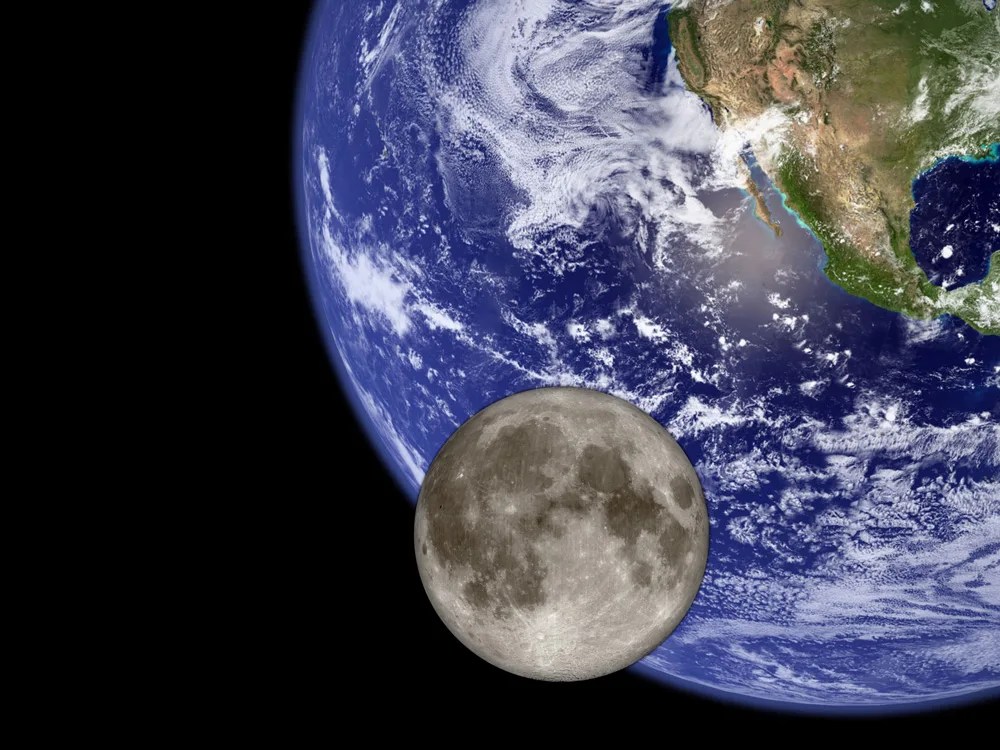
For the uninitiated, a total solar eclipse is a masterclass in improbable geometry. As described by veteran observers of the phenomenon, the earth's moon possesses nearly the exact same angular size as the sun when viewed from the surface—roughly half a degree. This delicate margin allows the lunar orb to completely mask the intense radiation of the solar disk, provided the viewer is positioned precisely within the narrow path traced by the shadow.
When totality hits, the environment transforms instantaneously:
- The Twilight Shift: Ambient daylight drops into a deep, eerie twilight accompanied by sunset hues stretching across the horizon.
- The Corona: A pearly, ephemeral halo of light emerges around the black silhouette of the moon.
- The Diamond Ring: The rapid appearance and disappearance of the sun's chromosphere through deep lunar valleys punctuates the start and end of totality.
Witnessing this spectacle from the stands or sidelines of a European sporting venue adds a surreal layer to the afternoon. Where fans might normally focus exclusively on tactical shifts, momentum swings, or refereeing decisions, the sudden onset of celestial night demands a pause.
Parallel Pursuits: Science in the Stands
The crossover between athletic competition and astronomical outreach is rarely accidental. Events like Gdynia's 'Less Light, More Stars' program specifically leverage public gatherings to direct attention toward space technologies, solar-based green innovations, and citizen science participation. By bringing telescopes equipped with specialized solar filters into public spaces, scientific institutions capitalize on the natural foot traffic of active urban centers.

Similarly, coastal sporting hubs—such as the Kiel Fjord, where multi-kilometre open-water challenges like the Lighthouse Swim bring spectators directly along the inner city's bathing jetties—demonstrate how modern events increasingly weave environmental and educational messaging into the athletic calendar. When spectators line the Kiellinie to monitor both the swimmers below and the sky above, the boundary between recreation, civic engagement, and natural science begins to blur.
The Forward View
As sporting organizations face mounting environmental variables—from extreme summer temperatures altering playing surfaces to rare celestial alignments interrupting afternoon fixtures—the modern spectator's relationship with the venue continues to evolve. The stadium is no longer just an isolated arena for physical contest; it has increasingly become a shared observatory where terrestrial competition meets the grand, indifferent mechanics of the solar system.
Sources
These sources formed the evidence pack for this article. Links open the original publisher; inclusion does not imply endorsement.
- wendycarlos.com original
- europesays.com original
- kiel-sailing-city.de original
- climate-pact.europa.eu original