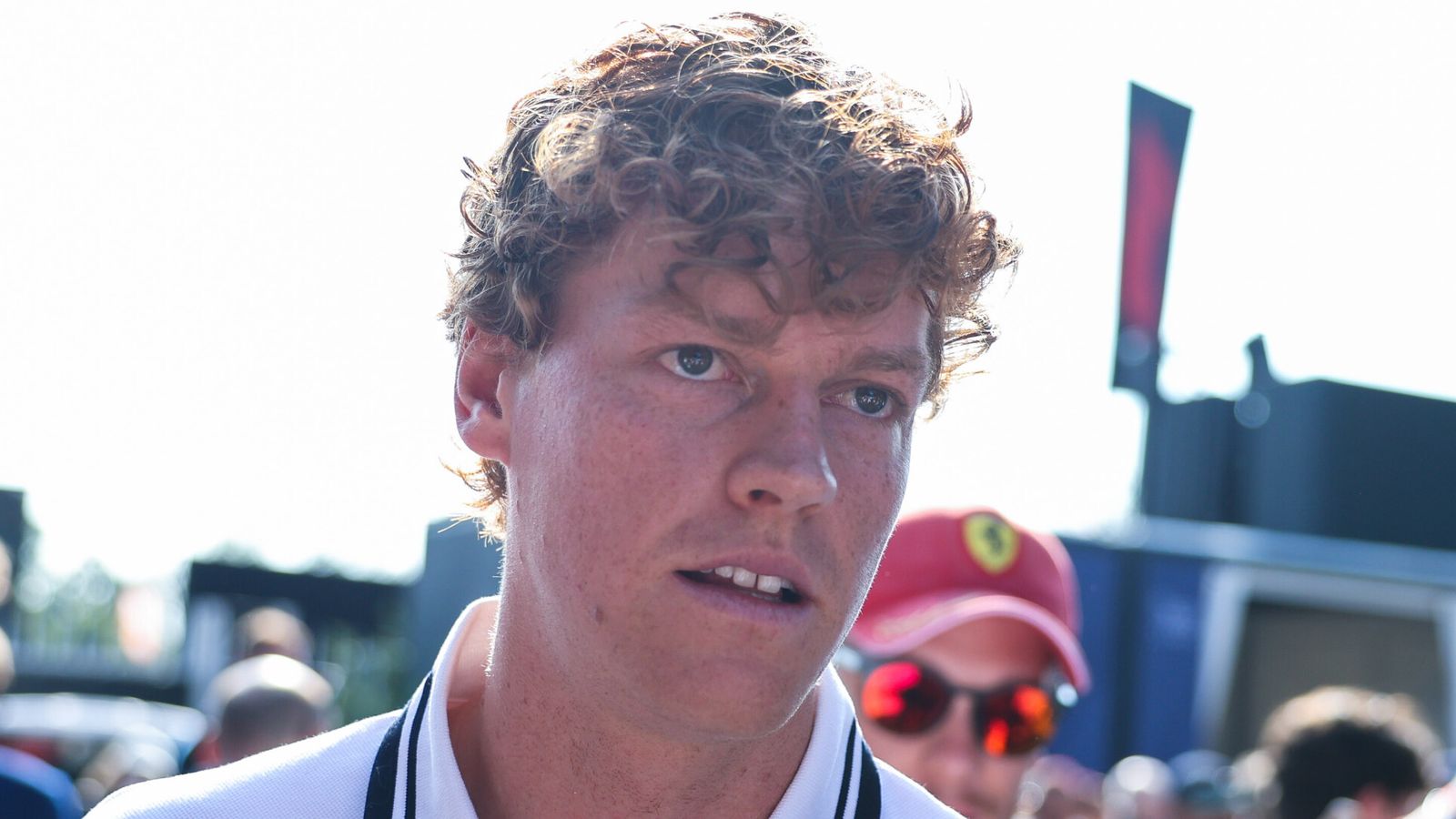
When the world No. 1 steps away from a marquee hard-court Masters 1000 event, the shockwaves reverberate across the entire men's circuit. Jannik Sinner’s decision to pull out of the Cincinnati Open—encapsulated by his candid admission I’m not ready to compete
—lays bare the brutal attrition of modern professional tennis. For a player whose recent career trajectory has swung between dominant grand slam triumphs at Arthur Ashe Stadium and sudden, alarming physical walls on the clay of Roland Garros, this withdrawal is less of a surprise and more of a necessary reckoning with the calendar.
To understand the weight of Sinner's absence in Ohio, one must look at the sheer volume of tennis he has absorbed. Over recent seasons, the Italian star has constructed remarkable winning runs on hard surfaces, tying Novak Djokovic for the ninth-longest hard-court win streak of the century at 23 matches during prior hard-court swings. Yet these milestones carry an immense biological tax. Earlier in the season at the French Open, Sinner suffered a shocking second-round collapse against Juan Manuel Cerúndolo after hitting a physical wall, describing his dizzy spells and low energy with brutal honesty: Woke up this morning, didn’t feel very well and tried to keep the points very short. Also in the beginning I was hitting very clean, very good, and then I just kind of hit the wall, and that’s it.
The Anatomy of Calendar Fatigue
The elite men's tour operates on a punishing loop where recovery windows are measured in days rather than weeks. Sinner’s team has frequently faced questions about scheduling trade-offs—specifically whether failing to skip demanding clay Masters events compromised his freshness at majors. Unlike previous eras defined by the deep-reserves longevity of the Big Three, today’s landscape forces younger contenders into grueling runs through Shanghai, the ATP Finals, the Davis Cup, and the Australian Open without a true off-season buffer.
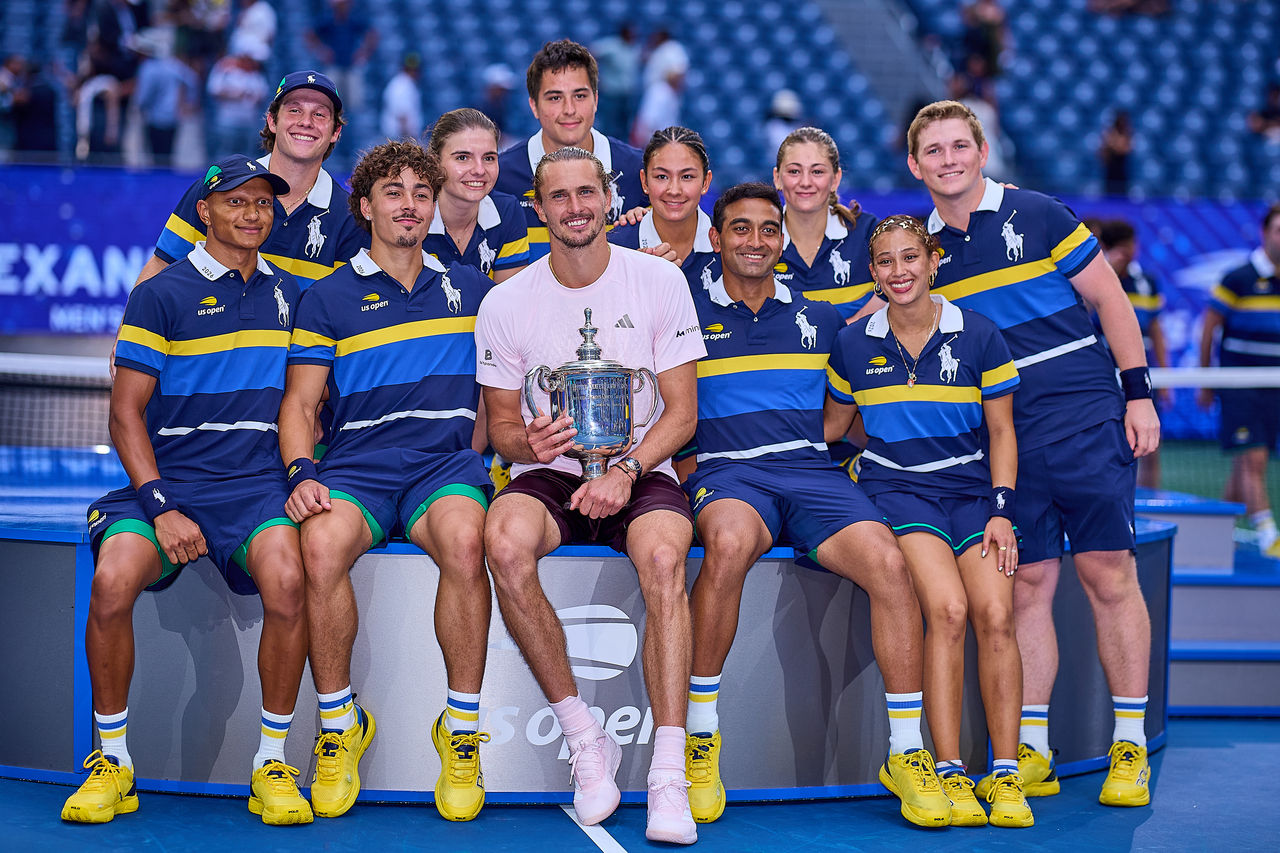
When Sinner triumphed over Taylor Fritz in the US Open final, winning 6-3, 6-4, 7-5, he spoke openly about the toll of life on tour:
This title for me means so much because the last period of my career was really not easy. There is my team who supports me every day, the people who are close to me. I love tennis. I practice a lot for this kind of stages, but I also realize that off the court there is a life.
Jannik Sinner
That psychological and physical exhaustion was compounded by the intense backdrop of his scrutinized doping case involving inadvertent contamination from a physiotherapist—an ordeal where Sinner maintained he bore no fault or negligence,
but which undeniably drained his mental reserves over months of private turbulence.
Hard-Court Masterminds and the Vacuum at the Top
While Sinner resets his physical baseline, competitors like Taylor Fritz continue to capitalize on the shifting guard. Fritz has established himself as a model of consistency, notably becoming the only man on the ATP tour to reach the round of 16 at all four hard-court Masters events within a single season, navigating power outages, tight tie-breaks against Lorenzo Sonego, and grueling draws in Indian Wells, Miami, Toronto, and Cincinnati.
As the tour navigates a year where the traditional dominance of Novak Djokovic, Rafael Nadal, and the retired Roger Federer has fractured—leaving the grand slams split between Sinner and Carlos Alcaraz—the absence of the world No. 1 in Cincinnati alters the entire competitive landscape. Players who specialize in capitalizing on fatigue now find an open door.
Ultimately, Sinner’s choice to step back from Cincinnati underscores a maturing approach to athletic longevity. In a sport that demands relentless forward momentum, knowing when to halt is often the only way to ensure there is a career left to defend.
Sources
These sources formed the evidence pack for this article. Links open the original publisher; inclusion does not imply endorsement.
- cnn.com original
- irishtimes.com original
- tenisportal.cz original
- timesofindia.indiatimes.com original