The architecture of modern free-to-play gaming relies on a delicate balance between accessible entry points and deep, sometimes punishing, competitive loops. Across both desktop arenas and mobile adaptations, titles built on team coordination and strategic mastery constantly battle against matchmaking friction, balancing anomalies, and community behavioral hurdles.
The Mobile Translation: Wild Rift and the Mid-Lane Metagame
Bringing a complex 5v5 Multiplayer Online Battle Arena (MOBA) experience from PC to mobile devices requires careful mechanical and tactical redesigns. League of Legends: Wild Rift successfully recreates Riot Games' strategic ecosystem with fluid touch controls and dynamic champion rosters, allowing players to jump into condensed sessions while chasing rank progression.
However, long-term competitive participants at high tiers—such as Master III and server top lists—highlight persistent friction points regarding balance and role utility. A recurring operational critique centers on lane meta evolution: over recent seasons, some high-level competitors observe that traditional ranged mid-lane mages (such as Lux or Mel Medarda) struggle to exert adequate pressure against heavily resistant tank characters. When defensive champions yield disproportionate output compared to dedicated damage dealers, the fundamental tactical identity of the middle lane shifts away from magical burst and toward frontline endurance.
Community Friction and Matchmaking Realities
Beyond raw statistics and champion scaling, the day-to-day experience of competitive climbing hinges heavily on team coordination and behavioral integrity. Player feedback from both desktop and mobile ecosystems emphasizes distinct structural challenges:
- Matchmaking Disparities: Solo queue participants frequently report wide gaps in tactical awareness, language barriers, and objective prioritization, where a single early concession or ignored tower can unbalance an entire match.
- Sanction Severity: Critics argue that temporary chat bans or light penalties fail to deter recurring trolling, anti-play behavior, or verbal toxicity, pointing toward the need for more stringent, time-determined or indefinite account restrictions.
- Interface Accessibility: High-ranking mobile competitors note that long matchmaking queues—sometimes stretching to five or eight minutes during off-peak hours—would benefit significantly from notification shortcuts allowing players to monitor searches outside the active application window.
The Broader Free-to-Play Landscape: Diversity and Trade-Offs
While MOBAs like League of Legends and its predecessor Dota 2 demand patience to master complex team mechanics and strategic map awareness, the broader free-to-play market offers vastly different tactical propositions. On PC and multi-platform ecosystems, titles range from tactical hero shooters to fast-paced battle royales and card strategy games.
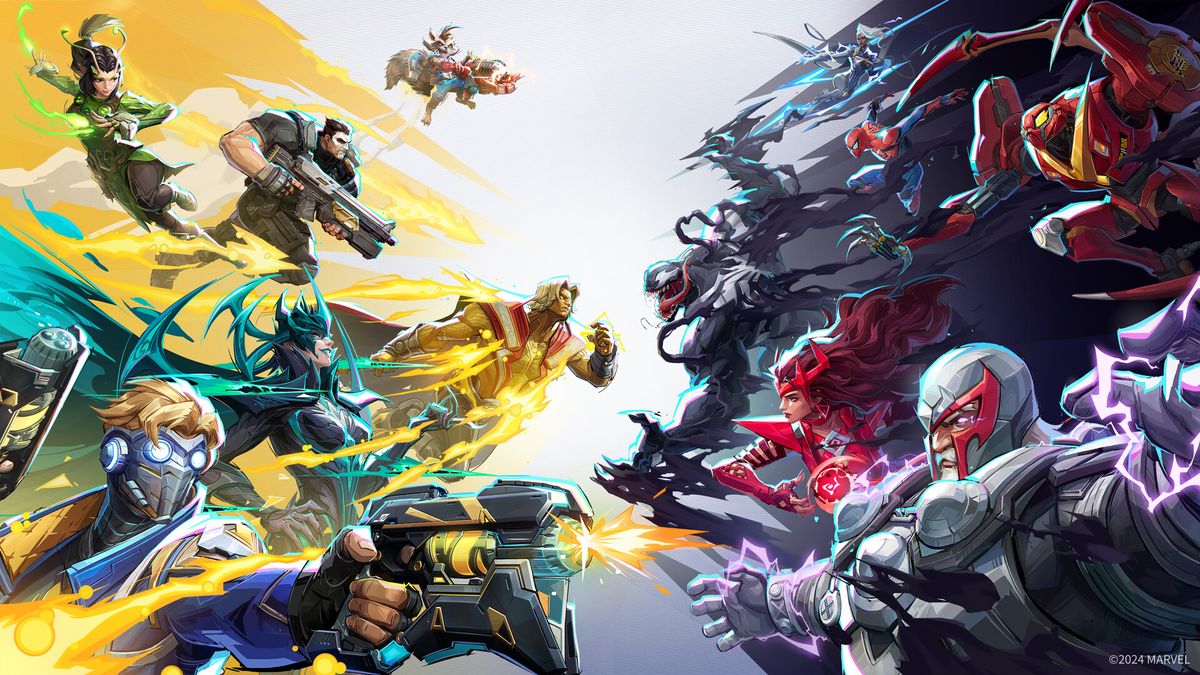
Releasing content variations annually, games like Warzone integrate robust sound design and weapon depth, though monetization pressures remain ever-present through microtransactions. Similarly, hero shooters like Marvel Rivals combine third-person elements and distinct combat roles to welcome casual players while retaining depth for competitive rosters. Whether navigating the punishing dungeon crawls of Path of Exile or executing rapid tactical plays in The Finals, the common thread across all successful free models is the requirement for deliberate team adaptation.
Forward Tactical Outlook
For developers navigating these expansive ecosystems, the path forward relies on addressing structural vulnerabilities rather than cosmetic updates alone. The decisive factors for long-term health will be:
- Rebalancing Role Identity: Ensuring that specialized roles—such as mid-lane mages or frontline tanks—retain their intended tactical signatures without overwhelming opposing archetypes.
- Behavioral Enforcement: Moving beyond light warnings toward automated, severe penalties for intentional feeding and communication toxicity.
- Onboarding Clarity: Expanding interactive tutorials focused on map objectives, vision control, and tactical rotation to bridge the gap between casual participants and serious competitors.
Ultimately, whether scaling the ranked ladder in a mobile MOBA or coordinating an arena destruction strategy on PC, success belongs to those who master both individual mechanical execution and resilient team communication.
Sources
These sources formed the evidence pack for this article. Links open the original publisher; inclusion does not imply endorsement.
- apps.apple.com original
- fitzwilliamarchitects.com original
- global.techradar.com original