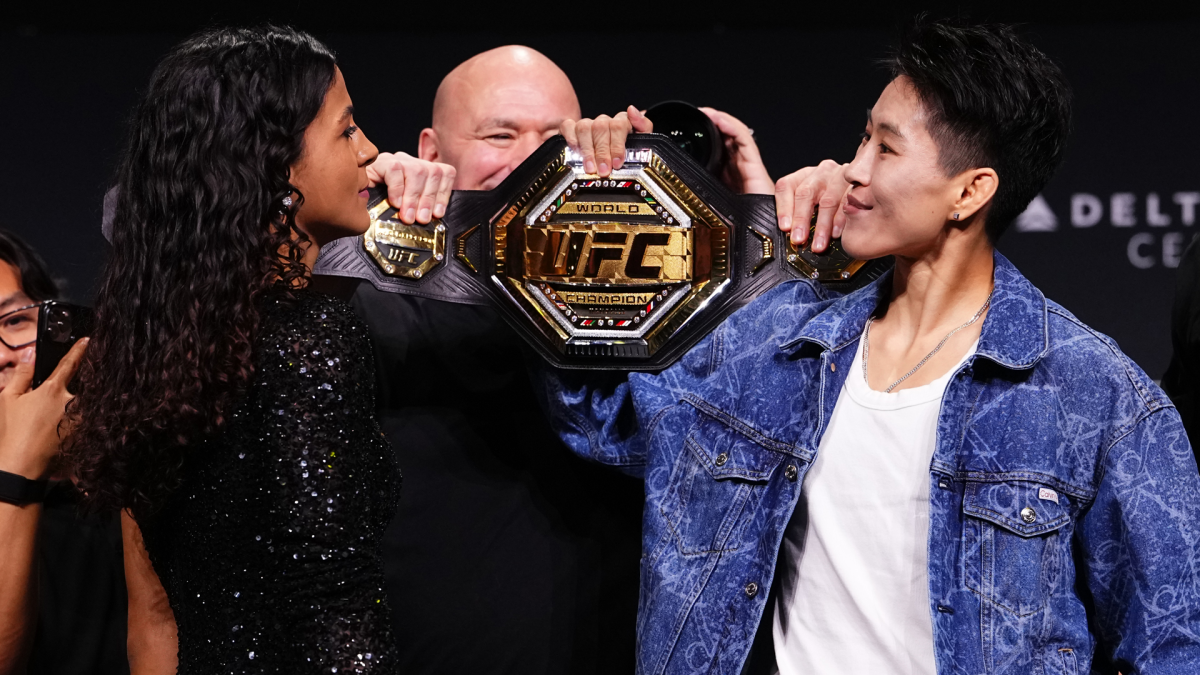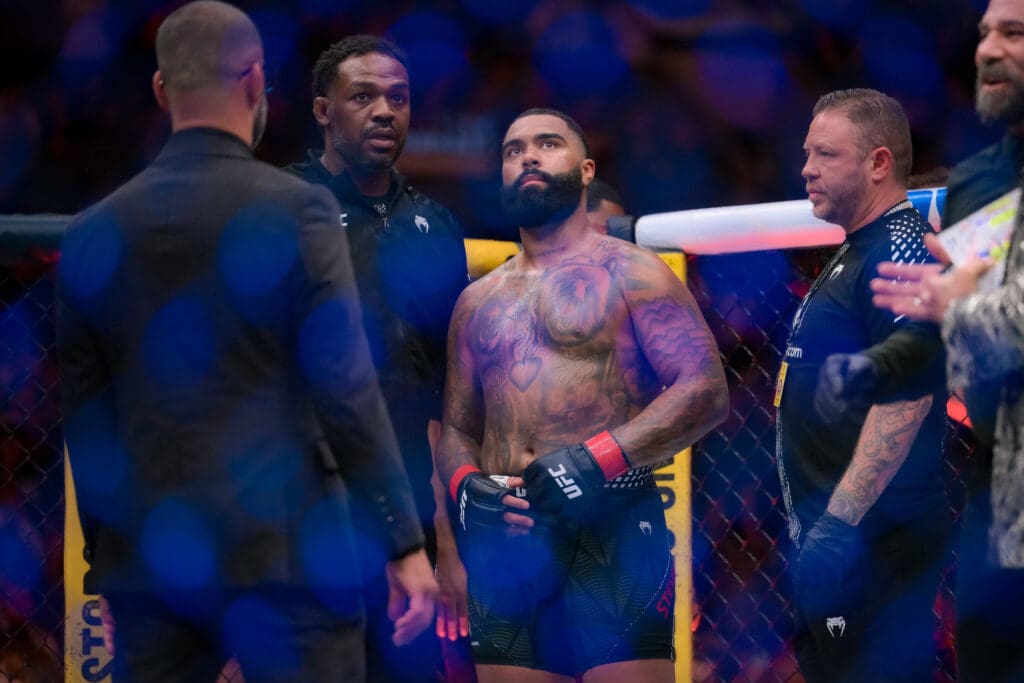
When the International Boxing Association takes over the James L. Knight Center in Miami, Florida, on July 18, 2026, the stakes extend far beyond a single fight card. The organization's flagship United States debut represents the culmination of a deliberate strategy to pull one of combat sport's oldest disciplines out of historical fragmentation and place it squarely inside a modern, regulated sporting framework.
For generations, bare-knuckle fighting survived on the margins. It carried an image shaped by inconsistency, unstructured environments, and an absence of institutional accountability. As heavyweight great Tyson Fury noted during the IBA Golden Era press conference in Istanbul, traditional unstructured bouts—such as the informal contests of his own gypsy lineage—could involve fighting outside for hours until one participant surrendered. Replicating that kind of raw antiquity in the 21st century without guardrails is a non-starter for contemporary sports governance.
The IBA's solution is built on a structured approach that prioritizes structural competition rules, transparent sanctioning processes, and tightly controlled event environments. Rather than leaning into the lawless appeal of underground fighting, the promotion has implemented specific tactical modifications designed to preserve authenticity while protecting athletes from catastrophic damage. Among these changes are standardized two-minute rounds. As former super-middleweight title challenger Paul Smith observed, shorter rounds limit the cumulative trauma inflicted on the face and hands, making the discipline significantly less punishing over a three- or five-round championship distance.
Athlete safety serves as the central pillar of this operational model. Unlike historical iterations of the sport, the regulated iteration incorporates mandatory medical examinations, rigorous ringside supervision, post-fight monitoring, and strict injury protocols. Furthermore, the inclusion of anti-doping compliance and unified training standards for referees, judges, and cut technicians aligns the ungloved code with the expectations of the wider combat sports ecosystem.
This operational pivot has already yielded tangible growth metrics since the platform's inception in 2025. Having staged four major events in the CIS region—culminating in IBA Bare Knuckle 4 headlined by Yoel Romero, which generated over 120 million views and interactions worldwide—the promotion arrives in the American market boasting more than 500 million total digital views across its media platforms. With MMA legend Jon “Bones” Jones serving as the official ambassador and host for the Miami showcase, the organization is coupling high-end sports entertainment with a fighter-first model.
Evidence-Led Forecast: The American Expansion
Ultimately, the pivot toward centralized governance is an attempt to prove that growth without structure is simply unmanaged risk. By establishing clear competitive pathways and financial incentives backed by IBA President Umar Kremlev's sizeable investments, the organization is offering athletes an environment where performance dictates success. Whether American audiences embrace this sanitized, highly supervised version of history will be answered under the bright lights in Miami.
Sources
These sources formed the evidence pack for this article. Links open the original publisher; inclusion does not imply endorsement.
- Boxing Bob Newman original
- iba.sport original
- philboxing.com original