In the disciplined world of Test cricket, consistency is rarely a matter of luck; it is a product of technical maintenance and mental attrition. Tom Latham, a foundational figure in New Zealand’s batting order, is often celebrated for his ability to occupy the crease for long periods. Yet, a peculiar feature of his career is the recurrence of dismissals that defy standard categorization—moments that range from the tactically bizarre to the technologically contentious.
Perhaps the most jarring episode occurred during the 2022 Trent Bridge Test against England. Latham’s dismissal in the second innings became a talking point across the sport when he shouldered arms to a delivery from James Anderson that proceeded to strike his middle stump. The footage of a set, veteran opener leaving a ball of that length remains a rare, baffling image in modern cricket. While speculation at the time suggested the mental load of captaining in Kane Williamson's injury-enforced absence might have impacted his concentration, the reality of the game is often colder. Great bowlers like Anderson are experts at probing a batter's mental threshold; on that day, the leave was, by any expert assessment, a critical error in judgment.

That same series provided a different type of frustration for Latham, rooted in the limitations of officiating technology. During the first innings, he was given out caught behind off Jack Leach, despite his insistence that the ball had struck his arm guard rather than the glove. The subsequent review process created a moment of genuine tension. The front-on replay seemed to clear the glove, while side-on angles suggested contact with the wristband—a grey area in the laws of the game where, as Craig McMillan noted, the overlap between equipment and hand can leave a batter feeling abandoned by the decision-making process. The confusion highlighted an inherent, unresolved tension in DRS: the difference between a definitive fact and the limitations of 2D frame-by-frame analysis.
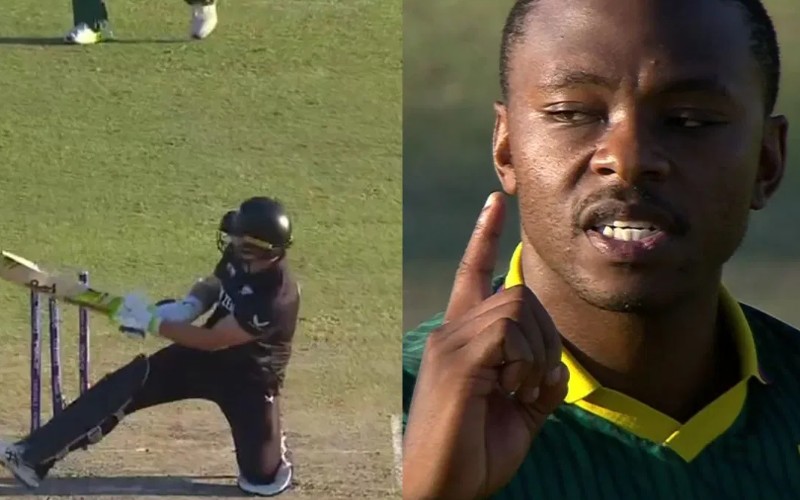
These incidents are not merely bad luck; they represent the reality of being a top-order batter subjected to hyper-specific analysis by elite international bowlers. The pattern continued into 2024 at Wankhede Stadium, where Washington Sundar dismantled the defenses of both Latham and Rachin Ravindra with successive, near-identical deliveries that drifted and straightened to beat their forward defenses. More recently, in the 2025 ICC Champions Trophy, Kagiso Rabada exploited Latham's tactical choice to attempt a scoop shot, drawing him into a trap that resulted in his stumps being rattled. These dismissals underscore a recurring reality: while Latham’s technique is well-honed, world-class bowlers are increasingly effective at baiting him into specific, exploitable tactical shifts. Whether through technical precision, questionable officiating, or momentary lapses, his dismissals continue to be among the most dissected in the game.
Sources
These sources formed the evidence pack for this article. Links open the original publisher; inclusion does not imply endorsement.
- timesnownews.com original
- wisden.com original
- sports.ndtv.com original
- CricShots original
- CricTracker original
- sam goodwin Sports Editor Mon, 13 June 2022, 11:31 pm · 4-min read original