The Paradox of Readiness
There is a specific, agonizing cruelty in losing a championship not due to a lack of resources, but despite having them. As the dust settles on a World Championship defined by unprecedented volatility, the story of Germany is not merely one of defeat, but of a fundamental, baffling failure to translate physical readiness into competitive survival.
Heading into this tournament, the narrative surrounding the defending champions was one of renewed strength. Unlike the previous campaign, the squad—often referred to as 'the blues'—appeared significantly more robust. Reports indicated they were largely spared the injury woes that had plagued them in the past and seemed to be in better overall form heading into the opening matches. On paper, the foundation for a successful title defense was laid. In practice, it became the bedrock of a historic catastrophe.
For the first time in the history of the World Championship, Germany has been eliminated in the preliminary round. It is a result that does more than just end a campaign; it actively validates the 'notorious defending champion curse,' a psychological and structural weight that seems to crush those tasked with carrying the mantle of the previous winner.
A Tournament of Sensations and Upsets
Germany's exit was not an isolated anomaly; it was the opening salvo in a tournament that systematically dismantled the established hierarchy of the sport. The architecture of the competition was reshaped by a series of cascading upsets that left traditional powerhouses searching for answers.
The tournament's middle stages saw the rapid erosion of elite status. The fallout included:
- The Giants Fall: Top favorite Spain and reigning European champions Portugal both failed to progress past the Round of 16.
- The Rise of the Underdogs: In a stunning display of momentum, Russia managed to navigate the chaos to reach the quarterfinals, while Croatia achieved a historic milestone by pulling their team into its first-ever World Championship final.
- The Podium Shift: The final standings saw unexpected occupants, with England—after purportedly overcoming long-standing penalty trauma—securing a fourth-place finish, and a strong Belgian side claiming third.
This volatility created a vacuum of power, where tactical consistency was frequently traded for raw, unpredictable momentum.
The French Ascendance
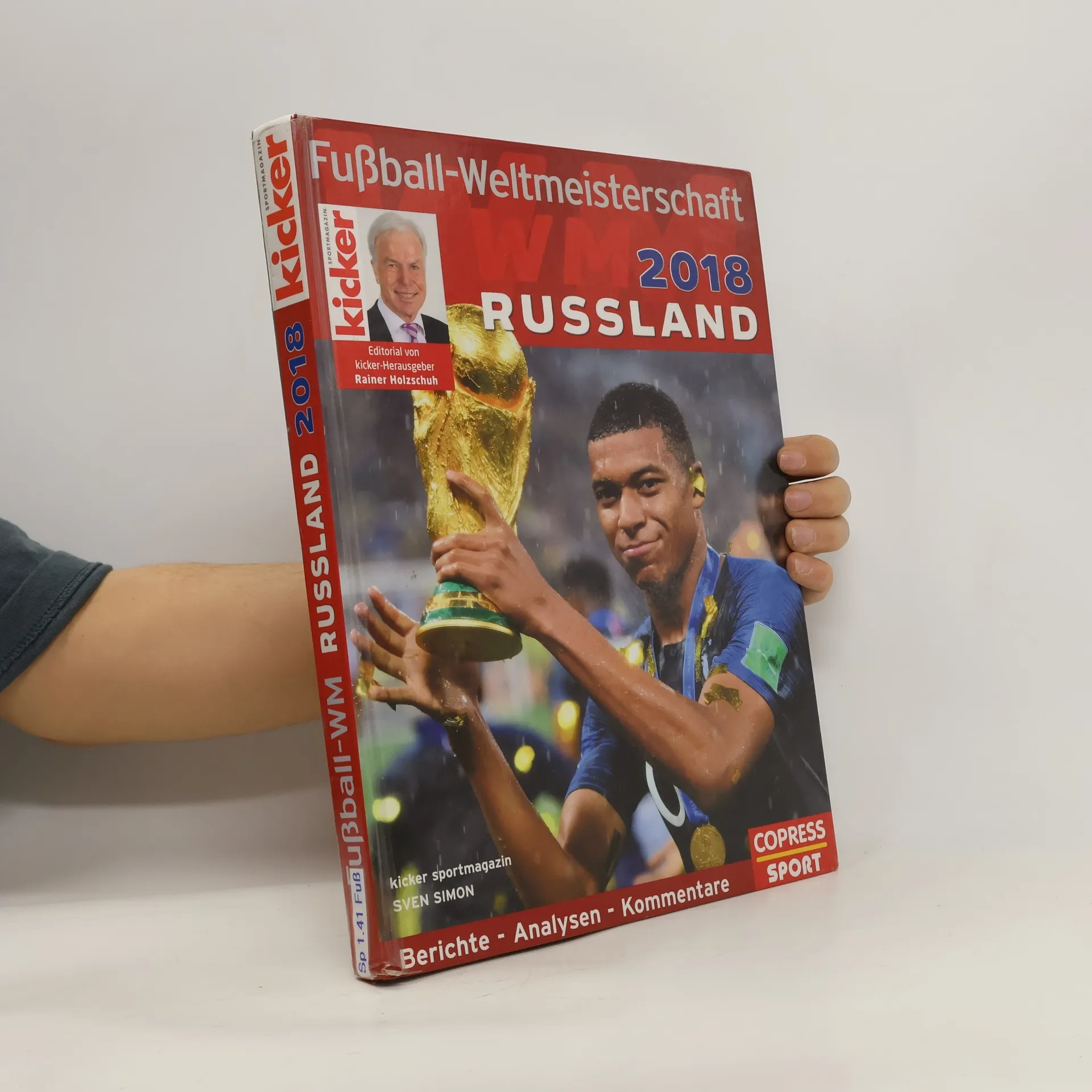
Amidst this structural entropy, one team managed to find stability within the chaos. While the favorites fell and the defending champions evaporated in the early stages, the Équipe Tricolor navigated the minefield to claim the title.
The victory was as much a historical milestone for the leadership as it was for the players. By guiding the team to the championship, Didier Deschamps has etched his name into the record books, becoming only the third manager in history to achieve the rare feat of winning the World Championship as both a player and a coach.
As the tournament concludes, the focus shifts from the glory of the victors to the autopsy of the fallen. For Germany, the question is no longer about how they will defend their title next time, but how a squad that was physically superior and better prepared than its predecessor could suffer such a comprehensive and early dissolution.
Sources
These sources formed the evidence pack for this article. Links open the original publisher; inclusion does not imply endorsement.
- thermoflex.eu original
- tgacv.cz original
- knihobot.cz original


