Scores, fixtures and picks
These fixtures are connected to teams or competitions named in the article. Live status and scores come from the normalized SportyPulses data feed; predictions are reader picks, not betting advice.
A Tale of Two Rankings
For any analyst, the current conversation around interior offensive linemen is defined by a lack of consensus. If you look to the ESPN rankings, compiled from a survey of over 70 executives, coaches, and scouts, Thuney is viewed as a top-tier talent but not the absolute alpha. In that system, Kansas City's Creed Humphrey holds the throne, with Thuney appearing further down the list at No. 6.However, the Associated Press (AP) tells a far more dominant story. A panel of eight AP Pro Football writers placed Thuney at No. 2, trailing only Atlanta's Chris Lindstrom. The AP voting, which allocates 10 points for first-place votes, saw Thuney command four first-place votes, narrowly edging out Humphrey for the top spot in a highly competitive tally. This divergence highlights a fundamental split in how the league evaluates value: is it based on the sheer dominance of a single game-changer like Lindstrom, or the comprehensive, stabilizing excellence of a veteran like Thuney?
The Anatomy of Elite Protection
Strip away the voting politics, and the statistical profile of Joe Thuney suggests he belongs at the apex of the position. At 6-foot-5 and 304 pounds, Thuney has evolved into a technical marvel. His 2025 campaign was defined by an elite 96.4 pass block win rate, tying him for the top among guards. Even when critics point to the natural attrition of age, the efficiency remains undeniable.
“He's losing a little lateral quickness, but he's so technically sound and tough and sturdy and stronger than you’d think that it doesn’t really matter,” an NFC executive noted.
That technical soundess is reflected in his Pro Football Focus (PFF) metrics. Thuney posted an 87.7 pass-blocking grade last season—the best among his peers—and an overall grade of 77.8. He has become the ultimate stabilizer, a player whose presence allows the rest of the scheme to function without fear of the pocket collapsing. It is a level of play that earned him first-team All-Pro honors for three consecutive seasons and the distinction of being the inaugural winner of the NFL’s Protector of the Year.
The Landscape of the Interior
Thuney is not operating in a vacuum; he is part of a generational shift. The retirements of stalwarts like Zack Martin and Frank Ragnow have cleared the path for a new wave of talent. The current top 10 is increasingly dominated by players between the ages of 24 and 26, creating a fascinating collision between established mastery and explosive potential.
- Chris Lindstrom (Atlanta Falcons): The AP's No. 1, Lindstrom is a zone-run specialist who has been a top-graded guard by PFF for three consecutive seasons.
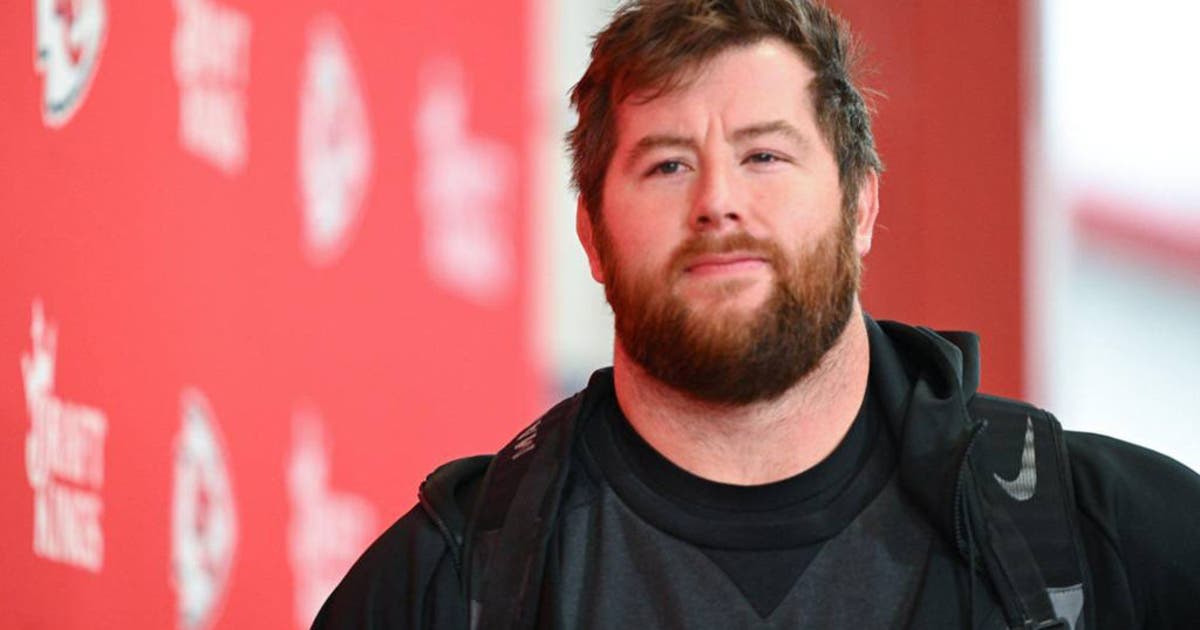
- Creed Humphrey (Kansas City Chiefs): The ESPN No. 1 and a perennial Pro Bowler, Humphrey is the communicative anchor of a championship offense, allowing only one sack and eight pressures last season.
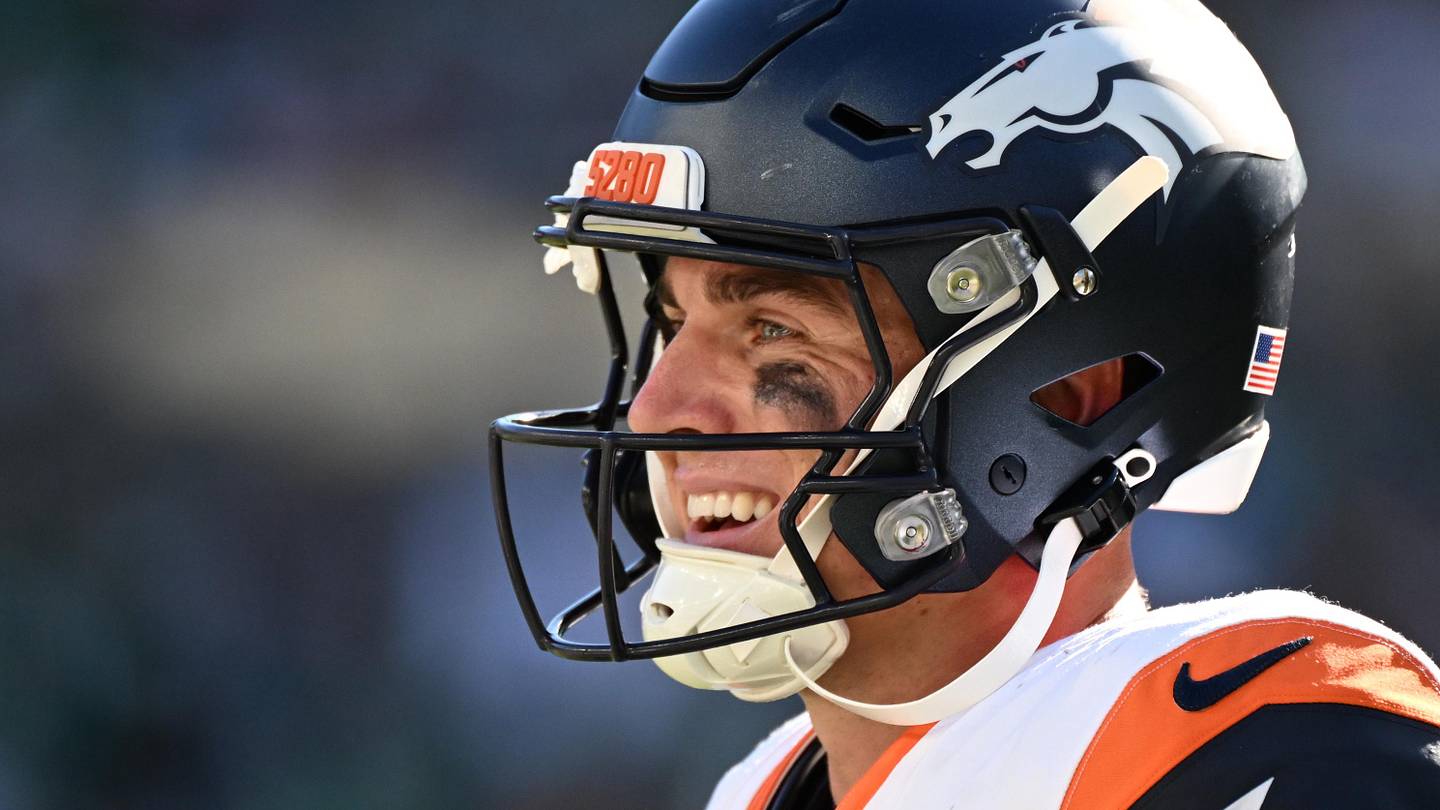
- Quinn Meinerz (Denver Broncos): A standout who rose from Division III to become an All-Pro, Meinerz boasts a staggering 96.6 pass block win rate.
- Tyler Smith (Dallas Cowboys): A physically gifted guard described by scouts as having the ability to play elite left tackle if called upon.
While the rankings may fluctuate between the AP and ESPN, the reality of the position is clear: the margin for error in the trenches has never been thinner. Whether it's Thuney's ability to 'kick the ass' of defensive lines or Lindstrom's ability to create massive running lanes, the 2026 season promises a battle for dominance that will be decided by inches and technical precision.
Sources
These sources formed the evidence pack for this article. Links open the original publisher; inclusion does not imply endorsement.
- Jeremy Fowler original
- Por JOSH DUBOW original
- Por JOSH DUBOW original
- Por JOSH DUBOW original
- Luis C. Medina original
- fox32chicago.com original
- apnews.com original