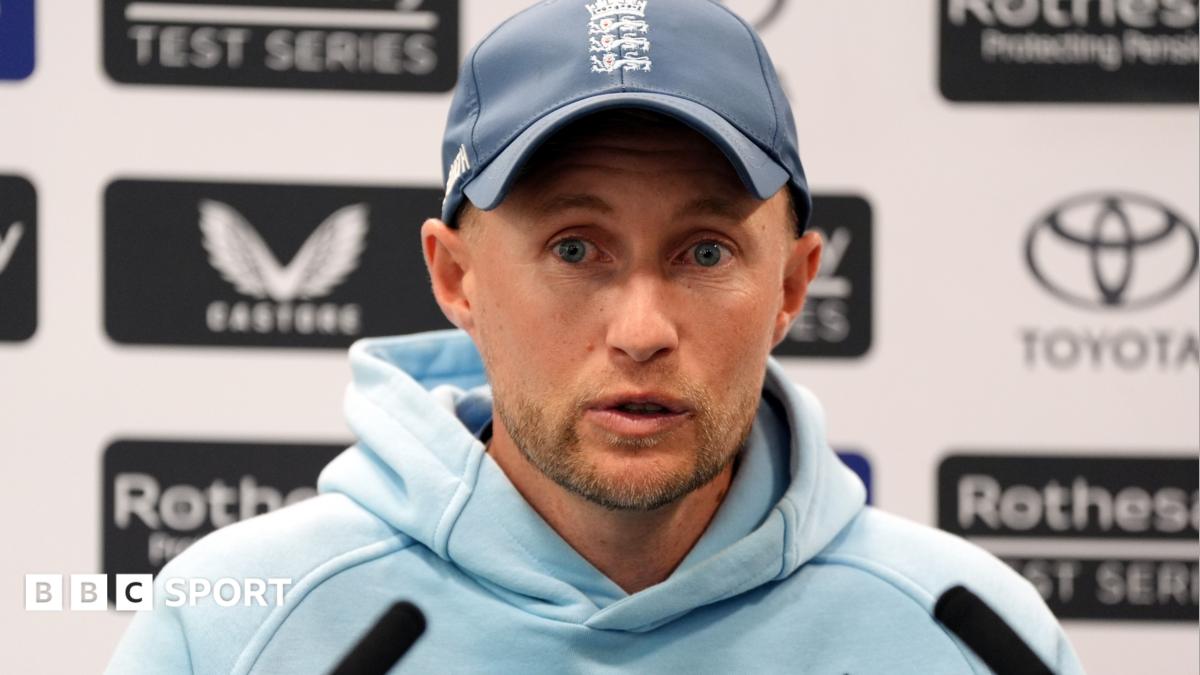
Joe Root is not known for losing his composure in a press conference. As an all-time great who has navigated the highest highs of Test cricket, his public persona is typically one of measured gravitas. But the man standing before the media at Lord’s this week was not the composed statesman of years past. He was, in his own words, "really hacked off."
The target of his frustration wasn't a failed DRS call or a crumbling batting order, but a recurring, systemic rot that threatens to undermine everything England is trying to build on the pitch. The catalyst was the latest in a relentless string of off-field distractions involving Brydon Carse, but the anger in Root's voice suggested something far more profound than a single player's lapse in judgment.
The Derby Distraction
The incident in question is as avoidable as it is damaging. Images surfaced on social media showing the 31-year-old fast bowler in handcuffs outside a bar in Derby on Saturday night. While Carse was subsequently de-arrested, the fallout was immediate. The England and Wales Cricket Board (ECB) has referred the matter to the Cricket Regulator, and the disciplinary consequences were swift: Carse has been dropped from the squad for the second Test against Pakistan, replaced by Sonny Baker.
Carse was not technically on England duty at the time, having been released to play for Durham, but the distinction is academic to a captain trying to instill a culture of excellence. Carse was accompanied by Durham teammates Stokes and Matthew Potts—both of whom hold England central contracts. For Root, the optics are catastrophic.
"I don't think it's the isolated incident itself, it's the fact we keep making stupid mistakes away from the game and it's detracting from what we're doing on the field."
Root's use of the phrase "stupid mistakes" is telling. It strips away the nuance of "youthful indiscretion" or "unfortunate circumstances" and labels the behavior for what it is: a failure of basic professional standards.
A Statistical Pattern of Indiscretion
To understand why Root is so incensed, one must look past the individual names and toward the staggering frequency of these lapses. This is not a series of isolated accidents; it is a statistical trend that points toward a cultural crisis. In the past year alone, eight contracted players—more than a quarter of the 30-man England squad—have been involved in or present for late-night incidents.

The ledger of recent indiscretions reads like a catalogue of reputational damage:
- Harry Brook: The white-ball captain was punched by a bouncer outside a Wellington nightclub in New Zealand last October.
- Ben Duckett: The opener was filmed appearing intoxicated during England's holiday in Noosa during the Ashes tour.
- Ben Stokes and Gus Atkinson: The former Test captain and pace bowler broke a team curfew in London, an incident that coincided with a member of England's security staff being punched by a rugby player.
When a quarter of your core playing group is regularly associated with nightclub chaos, the brand of English cricket shifts from elite competitors to a cautionary tale of mismanagement. It creates a vacuum where the focus shifts from tactical brilliance to damage control.
The Burden of Restoration
Root’s position is uniquely difficult. When he was reappointed as Test captain, he made the controversial decision to remove the midnight curfew that had been a staple of the Stokes and Brendon McCullum era. He chose to lead through trust rather than restriction, a move that has now been tested by the Carse incident.
Root is effectively fighting a two-front war. On one front, he must manage the technical transition of a team moving out of the Ben Stokes era. Stokes, who admitted he had "no fight left" following a grueling tour of Australia, has retired from international cricket, leaving a leadership void that is difficult to fill. On the other front, Root is tasked with the manual labor of rebuilding a shattered reputation.
The potential successors to the leadership mantle are fraught with their own complications. Vice-captain Harry Brook carries the weight of his own recent nightclub encounter, while Ben Duckett's history remains "chequered." Even rising talents like Jacob Bethell represent a risk in a squad that currently lacks established, steadying hands. This leaves Root as the only viable architect for the rebuild, a role that carries the heavy psychological toll he himself experienced during his first stint as captain.
Root has made his stance clear: the team must "earn a lot of trust back." He is demanding a standard that transcends the boundary ropes, insisting that players avoid the very situations where "trouble could find them."
Evidence-Led Forecast: The Disciplinary Fallout
As England prepares for the second Test against Pakistan at Lord's, the tactical makeup of the side is already altered by Carse's omission. However, the more decisive factor will be the regulatory outcome. Because the incident has been referred to the Cricket Regulator, the squad faces a period of significant uncertainty. If the regulator imposes long-term sanctions, England’s bowling depth—already under pressure as they look to integrate younger players—will be severely compromised. Expect the upcoming Test to be defined not just by the contest between bat and ball, but by a visible, heightened tension as players navigate a heightened level of internal scrutiny and the shadow of ongoing investigations.
Sources
These sources formed the evidence pack for this article. Links open the original publisher; inclusion does not imply endorsement.
- theverge.com original
- bbc.co.uk original
- independent.co.uk original