
The international hockey calendar rarely grants a moment for quiet transition. Across elite European circuits, the shifting demands of the Women’s Euro Hockey Tour place a premium on relentless pace, spatial awareness, and clinical execution in tight areas. Within this competitive landscape, tracking the deployment and impact of core contributors like Tereza Plosová offers a clear window into how modern coaching staffs build sustainable offensive momentum.
The Mechanics of Offensive Pressure
When the Czech national team dictates the tempo, it is built upon a foundation of aggressive forechecking and rapid transition through the neutral zone. Under the tactical direction of head coach Carla MacLeod, the squad's deployment relies heavily on creating numerical advantages along the boards and punishing defensive breakdowns with speed. Plosová has consistently demonstrated the individual skill set required to solve structured defenses, utilizing sharp changes of direction and a willingness to attack the interior scoring zones.
Observing past tournament matches reveals how these tactical layers manifest on the ice. In dominant outings—such as a 7-2 victory over Finland where Plosová notched two goals—the catalyst was often an immediate, suffocating start that denied the opponent time to organize ceskenoviny.cz. As forward Tereza Vanišová noted after a commanding performance, maintaining internal standards despite lopsided scorelines remains essential: Jsme rády, že jsme vyhrály. Podaly jsme celkem dobrý výkon, ačkoliv tam byly chyby, ze kterých se musíme poučit.
ceskenoviny.cz
Roster Architecture and Competitive Depth
As national teams navigate intense tournament blocks—balancing the physical toll of back-to-back fixtures against elite European opponents and the looming pressures of global championships—roster depth becomes the ultimate differentiator. General managers and coaching staffs face difficult personnel decisions when narrowing down selections for major international blockbusters. With numerous roster spots contested by players transitioning between domestic leagues and North American professional opportunities in the PWHL, every shift on the Euro Hockey Tour serves as a high-stakes evaluation.
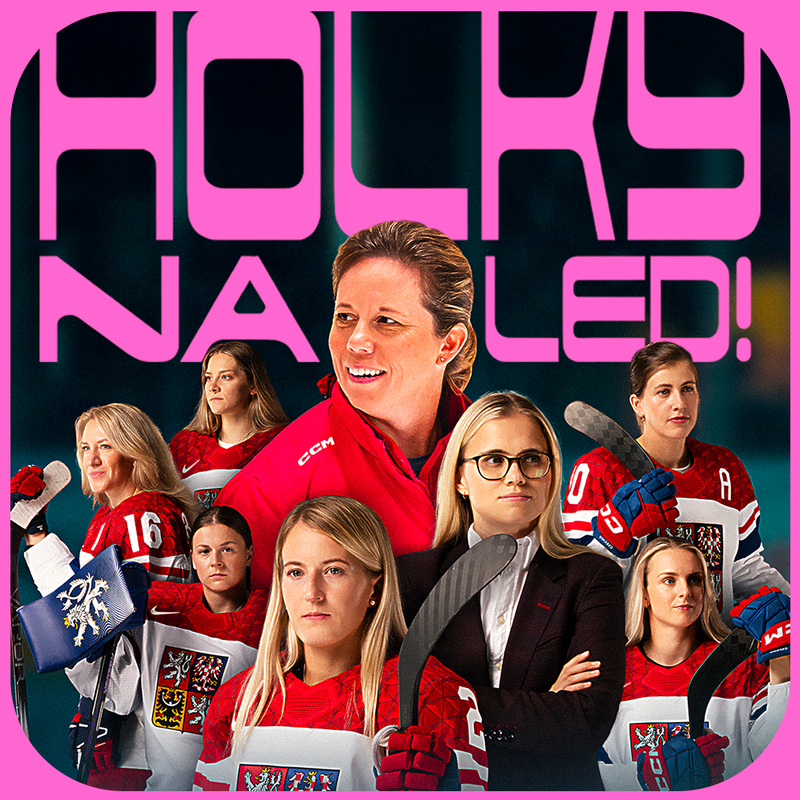
The structural balance of the team requires distinct deployment phases:
- Top-Six Catalysts: Dynamic playmakers capable of exploiting broken structures and converting off the rush.
- Special Teams Anchors: Disciplined forwards and mobile blue-liners who can execute systematic penalty kills and maximize power-play efficiency.
- Depth Contenders: Younger skaters tasked with injecting energy, securing board battles, and protecting leads under physical pressure.
Evidence-Led Forecast
Likely Tactical Pattern: Expect high-tempo forechecking from the opening puck drop, with aggressive pinching by the defensemen to keep opponents hemmed in their own defensive zone.
Decisive Matchup: The battle along the defensive blue line against physical cycle teams will dictate whether transitional speed can be converted into sustained offensive zone time.
Strongest Counter-Case: Highly structured opponents who clog the neutral zone and limit east-west entry passes can neutralize speed-dependent attacks, forcing low-percentage perimeter plays.
What Would Change the Read: Significant shifts in special teams efficiency or sudden adjustments in goaltending durability would immediately alter the expected margins of control.
Sources
These sources formed the evidence pack for this article. Links open the original publisher; inclusion does not imply endorsement.
- hokejzpravy.cz original
- stream.cz original
- ceskenoviny.cz original
- sport.ceskatelevize.cz original


