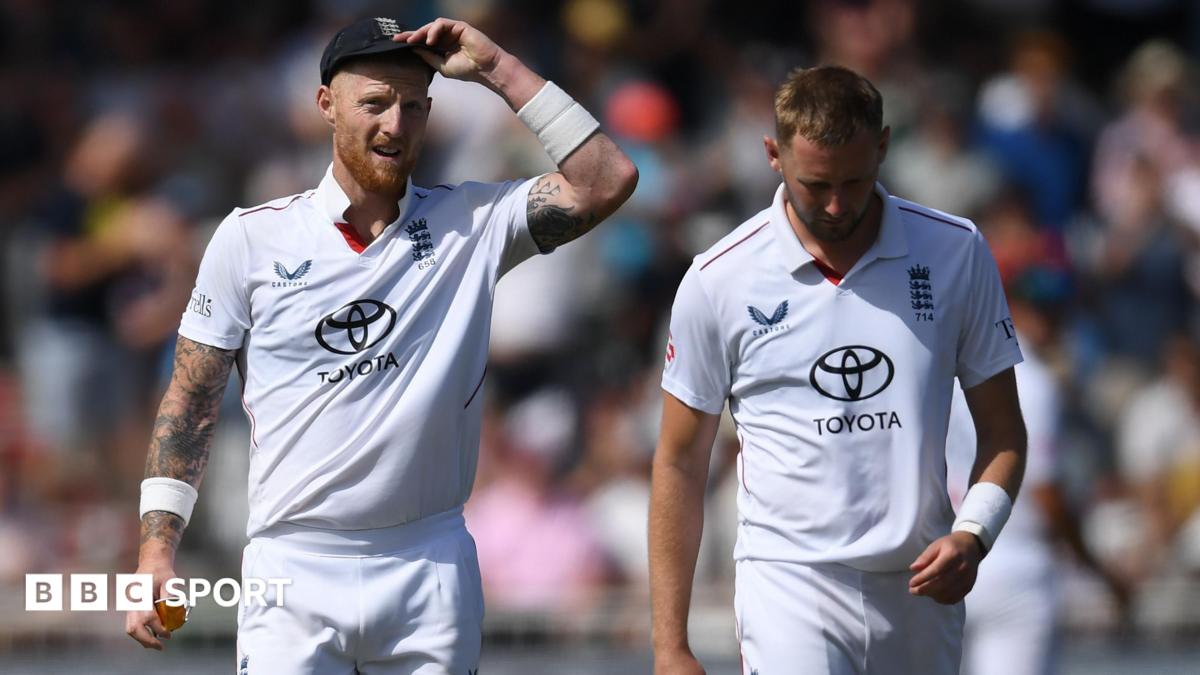
The scoreboard at Lord's told a story of triumph: England had dismantled New Zealand by 115 runs in the first Men's Test. But as the applause faded, the narrative shifted from the pitch to the pavement. The victory was immediately cannibalized by an ECB investigation into captain Ben Stokes and Gus Atkinson, following a breach of a midnight curfew at a London nightclub where an altercation occurred.
This was not merely a disciplinary hiccup; it was the final, chaotic tremor in a landscape that has been fracturing for months. With the sudden sacking of head coach Brendon McCullum and the immediate retirement of Ben Stokes, the "Bazball" era—England's ultra-aggressive Test match revolution—is officially dead. What was once a bold experiment in high-octane cricket has unraveled into a sequence of backstage tensions and catastrophic collapses.
The Unraveling of a Revolution
The exit of Brendon McCullum was unceremonious, a sharp conclusion to a period that redefined English Test cricket. Stokes, a generational all-rounder who spearheaded the movement, walked away just as the experiment he helped lead crumbled. The loss of such leadership leaves a fractured squad searching for a new identity, caught between the remnants of McCullum’s aggressive philosophy and a desperate need for stability.
The timeline of this decline is marked by a series of contradictions. Even as the team sought to implement a new culture, the leadership was besieged by the very issues it sought to manage. McCullum's final act in charge of both the Test and white-ball sides was a move toward relaxation, easing drinking guidelines to allow the T20 side to celebrate a series win against India. However, the instability of the coaching and captaincy roles has made it difficult for any new guidelines to take permanent root.
A Decade of the Curfew Pendulum
The debate over how much freedom elite cricketers should have is a recurring ghost in the English dressing room. The "hokey-cokey" of the curfew regulations has become a symbol of the team's lack of cohesion. To understand the current crisis, one must look at the cyclical nature of these rules:
- 2017: During an Ashes tour, a midnight curfew was imposed following incidents including the Bairstow-Bancroft headbutt and Ben Duckett tipping a drink over James Anderson. Joe Root, then in his first stint as captain, argued that players were "grown men" who should be treated as such.
- 2022: The midnight curfew was finally banished, allowing the team to embrace the freedom that accompanied the birth of the Bazball movement.
- January 2026: Following a winter of misdemeanors, the curfew returned to the white-ball team and was extended to the Test side.
- The Present: Following the recent London nightclub incident, the rules have undergone further scrutiny, with new guidelines advising against alcohol consumption immediately before, during, or after matches.
This volatility has created a vacuum of authority. As the ECB searches for a way to manage behavior, the team remains caught in a loop of regulation and rebellion. The tension lies in the fundamental question: can you demand responsibility on the field if players do not feel like adults off it?
The Fleming Era and the Grown-Up Gamble
In the wake of McCullum’s departure, the ECB has turned to Stephen Fleming. The appointment is being framed as a "grown-up move" by the board. Fleming, a close associate of McCullum, has already moved to lift the curfew from the white-ball team, signaling a shift toward trust and player agency.
The logic is simple: if players are to make high-stakes decisions in the heat of a Test match, they must be trusted to make sound decisions in their private lives. However, this gamble is being taken at a moment of extreme reputational vulnerability. England has secured only two victories in their last ten Tests, and the shadow of recent disciplinary issues looms large over their ability to rebuild.
The standard of professionalism expected is high. Figures like Darren Gough, a former England fast bowler and Yorkshire captain, have long been viewed as the benchmark for the "perfect professional." Gough's career, defined by intense competitiveness and a meticulous approach to his craft, serves as a reminder of the discipline required to sustain a long-term international career. For a modern England side struggling with its culture, that level of professional rigor is precisely what is missing.
The On-Field Imperative
Ultimately, no amount of administrative maneuvering or curfew management will fix the English Test side; only results will. The upcoming schedule is a gauntlet that will test whether the Fleming era can provide the stability the squad so desperately needs. The priority list is unforgiving:
- The Immediate Test: A three-match series against Pakistan starting next week.
- The Winter Challenge: A tour to face world champions South Africa.
- The Grand Stage: A home Ashes series against Australia next summer.
- The Long View: A daunting five-Test tour of India in early 2028.
The reputational damage sustained over the past year is significant. The team has reached a crossroads where the only way to move past the noise of nightclubs and midnight curfews is to win. Until England can deliver trophies and series victories, the conversation regarding their behavior will continue to overshadow their talent.
Sources
These sources formed the evidence pack for this article. Links open the original publisher; inclusion does not imply endorsement.
- podcasts.apple.com original
- cricketspeakersuk.com original
- bbc.co.uk original
- news.booking.com original