The moment Péricles led 70,000 voices in an a cappella rendition of the Brazilian national anthem, the "import" label for the National Football League died. At the Maracanã, amidst a massive mosaic reading "O Rio também joga" (Rio plays too), the atmosphere wasn't that of a foreign exhibition, but of a local takeover. When the dust finally settled on Sunday, the Baltimore Ravens had escaped Rio with a 34-31 victory over the Dallas Cowboys, but the real story was the successful marriage of American grit and Brazilian soul.
The Two-Minute Drill in Rio
The game itself was a high-octane pendulum of momentum. The Dallas Cowboys opened with defensive ferocity, carving out a 10-0 lead in the first quarter that suggested the Maracanã crowd might be in for a one-sided affair. However, the Ravens began their ascent, clawing back to a 17-13 halftime advantage after a resilient second quarter.
As the third quarter concluded, the Ravens held a 24-21 lead, but the Cowboys refused to exit the stage. Dallas surged back with clinical precision, managing to seize a 28-24 advantage that had the sea of blue and silver jerseys in the stands celebrating. It appeared the Cowboys had finally tamed the Rio heat.
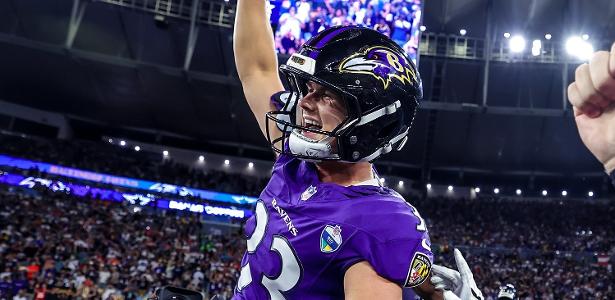
Then came the chaos of the final two minutes—an eternity in football. Lamar Jackson, orchestrating a masterclass in late-game composure, found Matthew Hibner for a touchdown with less than 90 seconds remaining to reclaim the lead for Baltimore. The tension reached a breaking point as Dallas fought to force overtime, but the Ravens' defense held firm. With less than 10 seconds on the clock, kicker Tyler Loop stepped up and drilled the decisive field goal, sealing the 34-31 win and leaving the Maracanã in a state of absolute delirium.
A Calculated Cultural Fusion
To the casual observer, the halftime show featuring Pedro Sampaio and Ricky Martin might have seemed like standard spectacle. To a sports analyst, it was a masterstroke of market penetration. The NFL isn't just playing games in Brazil; they are embedding themselves into the cultural fabric. The integration of samba, funk, and even the controversial—yet beloved—singalong of "Evidências" demonstrates a league that has moved past the "tourist" phase of international expansion.

Even the interruptions felt uniquely Brazilian. When the singing of "Evidências" had to be cut short because the game clock demanded a restart in the third quarter, the friction between the sport's rigid timing and the fans' desire for a party highlighted the very tension the NFL is working to resolve. They are attempting to create a hybrid experience: the structured intensity of the NFL paired with the celebratory, rhythmic spirit of Brazil.
This isn't accidental. The league’s presence in Rio is backed by a five-year contract ensuring at least three matches in the city, signaling a long-term commitment to making the Maracanã a recurring pillar of the NFL calendar.
The Strategic Blueprint: From Rio to Los Angeles
The aggressive expansion revealed at the NFL Media Summit is nothing short of audacious. Luis Martinez, the NFL’s General Manager in Brazil, laid out a clear mandate: the league aims to become a top-five sport in the country. With 22 commercial partners already activating around the Rio Game, the economic engine is already humming.
/https://i.s3.glbimg.com/v1/AUTH_bc8228b6673f488aa253bbcb03c80ec5/internal_photos/bs/2026/7/Q/GSDefeTXWTpAXmxb9BeQ/whatsapp-image-2026-09-23-at-10.11.57-1-.jpeg)
The long-term vision extends far beyond the professional ranks. A primary pillar of this growth is Flag Football, a strategic move timed perfectly for its debut in the 2028 Los Angeles Olympics. The NFL’s existing social projects are already reaching over 11,000 young athletes across Rio, São Paulo, and Paraná, creating a grassroots pipeline that ensures the sport isn't just something Brazilians watch, but something they play.
By acknowledging local narratives—such as the pre-screening of the documentary "Depois do Impacto," which honored the resilience of the Coritiba Crocodiles—the NFL is proving it understands that for the sport to thrive, it must respect the history of those who have kept the oval ball alive in Brazil long before the superstars arrived.
Sources
These sources formed the evidence pack for this article. Links open the original publisher; inclusion does not imply endorsement.
- jc.uol.com.br original
- ge.globo.com original
- noticiasfavoritas.com.br original
- cliqueagora.com.br original
/https://i.s3.glbimg.com/v1/AUTH_da025474c0c44edd99332dddb09cabe8/internal_photos/bs/2026/e/3/Pfs8CLSJ2uBZhcm4lKAw/116390915-fans-display-a-tifo-during-the-nfl-match-between-the-dallas-cowboys-and-the-baltimore-rave.jpg)