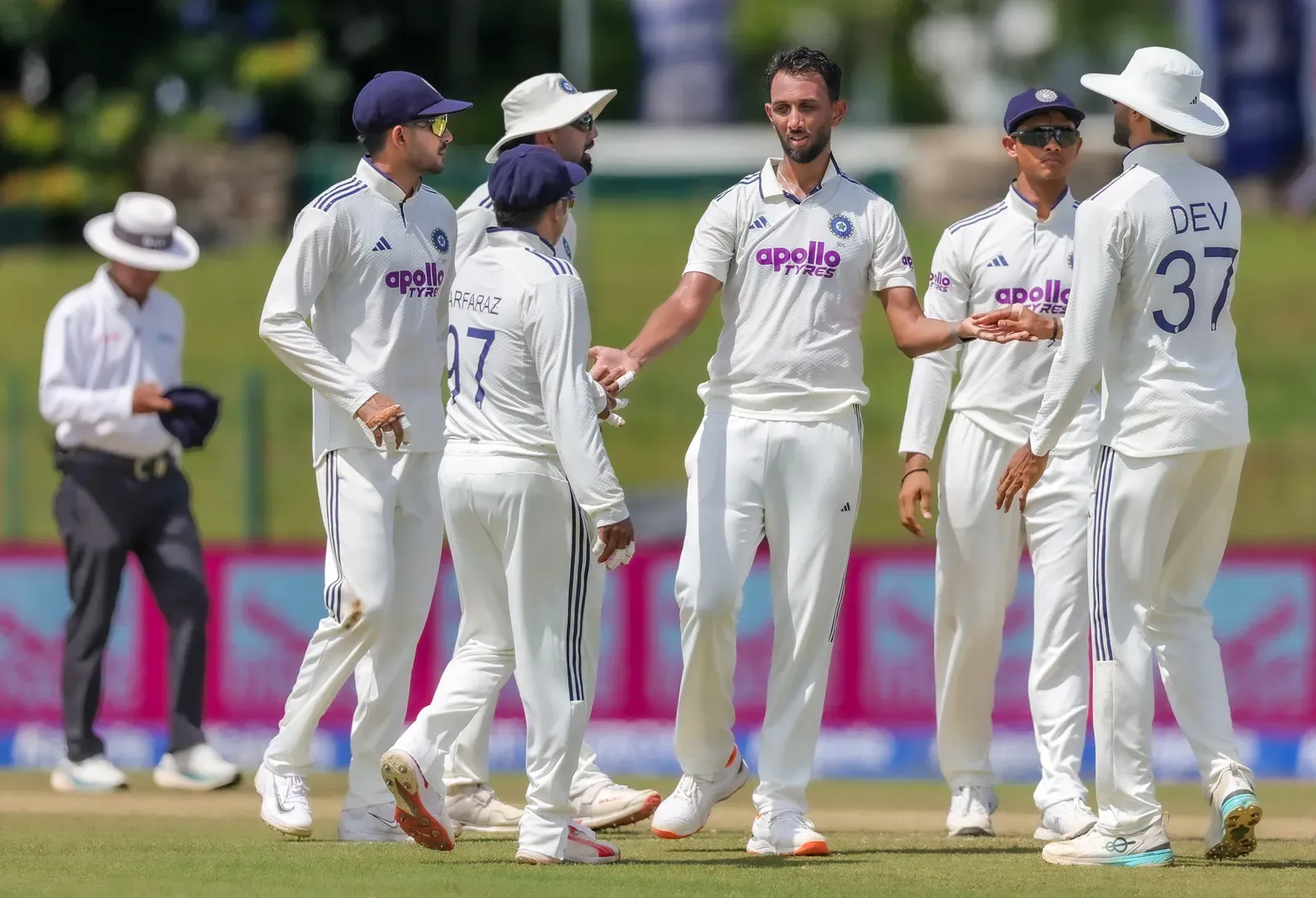
The humidity of Colombo and the looming threat of rain have cast a heavy shadow over the Sinhalese Sports Club (SSC) ground, but the real tension is being found in the movement of the ball. At the lunch interval on Day 3 of the second Test, the narrative of the match has swung sharply from a desperate Sri Lankan recovery back toward Indian dominance, driven almost entirely by the aggressive, vertical movement of Prasidh Krishna.
Sri Lanka reached 130/4 after starting the day at a precarious 8/2. While the home side showed flashes of genuine defiance, Krishna’s ability to extract uncomfortable bounce—even on a surface that has largely suited the spinners—has ensured that India remains firmly in the driver's seat with a massive 373-run lead.
The Velocity Variable
In a match where the spinners, including debutant Saransh Jain and Manav Suthar, have struggled to maintain control against a determined middle order, Krishna has emerged as the essential disruptor. His impact was felt immediately in the opening session, targeting the technical vulnerabilities of Kamil Mishara. A sharp, rising delivery forced Mishara into a defensive error, sending a fending catch to substitute wicketkeeper Dhruv Jurel for 19.
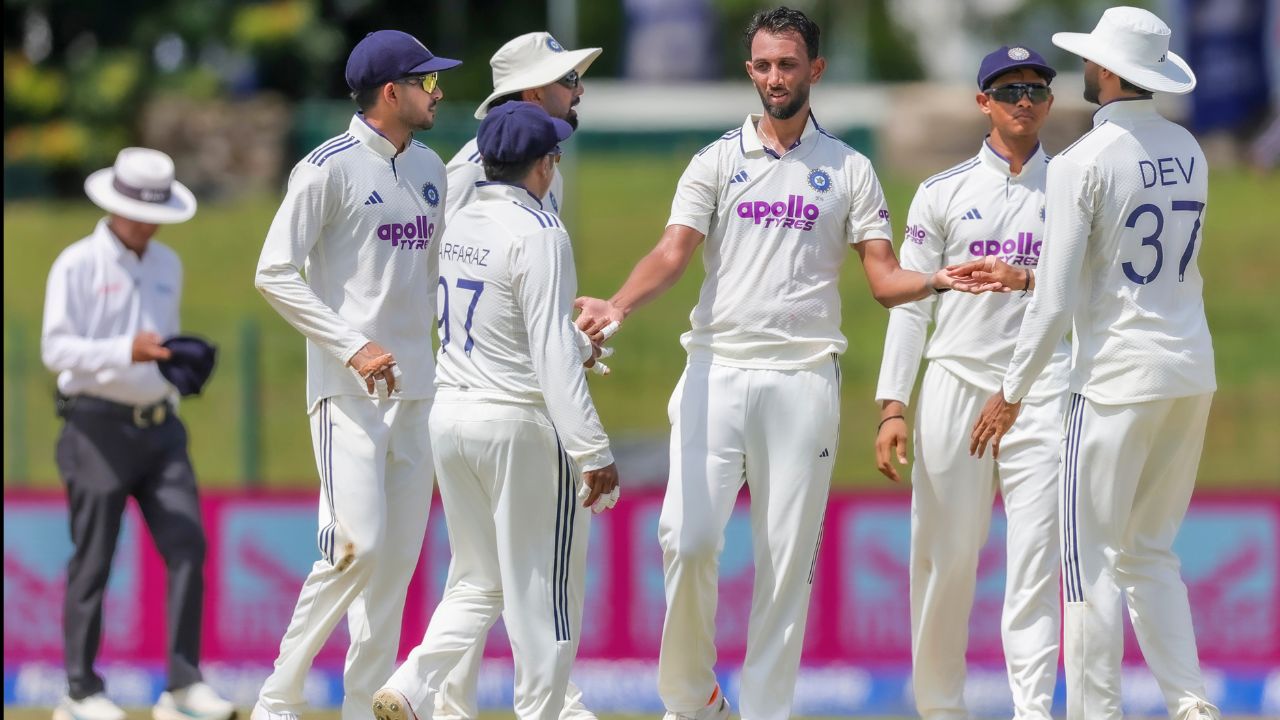
Krishna’s effectiveness isn't merely about speed; it is about the relentless interrogation of the batsman's high-ground. This was evidenced again when he broke a burgeoning 87-run partnership by targeting the throat of Kamindu Mendis. The short delivery, intended to unsettle, resulted in a mistimed pull that found the hands of Ravindra Jadeja at mid-wicket. This second strike of the session ended Mendis's 32 and punctured the momentum Sri Lanka had spent nearly two hours building.
Speaking on the necessity of maintaining intensity despite the shifting conditions, Krishna noted the mental discipline required:
I mean, aggression can come out in different ways, and for me it is about what I’m doing when I’m bowling. It’s very easy for people to get away or be distracted by what’s happening in the pitch... I think the focus is still to come in and bowl those areas with full effort.Prasidh Krishna
This ability to remain focused on his areas, regardless of whether the pitch is offering little or too much, has made him the primary threat on this tour, particularly as India looks to exploit the upcoming second new-ball spell.
The Redemption of Pasindu Sooriyabandara
Amidst the flurry of wickets, the story of Pasindu Sooriyabandara provides a compelling arc of individual resilience. Only a week ago, during the first Test in Galle, Sooriyabandara occupied the crease only to be dismissed for a first-ball duck while serving as a concussion substitute. Today, he looked like a completely different player.

Displaying a composure that belied his limited Test experience, Sooriyabandara mixed calculated caution with aggressive intent. He utilized the pace of the Indian quicks to play shots behind square and challenged the spinners with sweeps and lofted drives. At lunch, he sat unbeaten on 65 from 93 balls, including nine boundaries. His ability to anchor the innings has been the single greatest obstacle to India achieving a total rout.
However, the partnership he shared with Mendis—the most productive for Sri Lanka so far—was a double-edged sword. While it offered hope for a substantial deficit reduction, it also exposed the Indian spinners, who allowed the duo to score freely during the middle phase of the session. The tactical struggle for Shubman Gill’s side has been finding the balance between containing the run rate and forcing the error.
Friction and Atmosphere
The session was not merely a contest of bat and ball; it was also a test of temperament. As India sought to tighten the noose, the atmosphere at the SSC grew charged. Notable verbal exchanges were observed between Sarfaraz Khan—who is currently substituting for Rishabh Pant—and the Sri Lankan batters, alongside Mohammed Siraj. Such friction often signals a match reaching its boiling point, where the psychological pressure becomes as significant as the physical contest.
Evidence-Led Forecast
Tactical Pattern: India will likely move into a disciplined seam-heavy attack immediately after lunch. With the ability to extract bounce, the captain will look to use the second new ball to target the Sri Lankan lower order, specifically testing the edges of the batters as the ball carries more height.
Decisive Matchup: The battle between Prasidh Krishna and Pasindu Sooriyabandara. If Krishna can replicate his short-pitched success against Sooriyabandara, Sri Lanka’s resistance may collapse. Conversely, if Sooriyabandara can continue to use the pace of the quicks to maneuver the ball behind square, he could potentially push the deficit toward a level where the follow-on becomes a non-issue.
Strongest Counter-Case: If the rain threatens to further shorten the match, the tactical priority will shift toward survival for Sri Lanka. A prolonged period of defensive batting could force India to rely heavily on spin, potentially allowing the hosts to bridge the gap through attrition.
The X-Factor: Weather. If the rain returns, the window for India to dismantle the tail narrows significantly, potentially turning a dominant position into a frustrating draw.
Sources
These sources formed the evidence pack for this article. Links open the original publisher; inclusion does not imply endorsement.
- nationpress.com original
- india.com original
- dtnext.in original
- thestar.com original