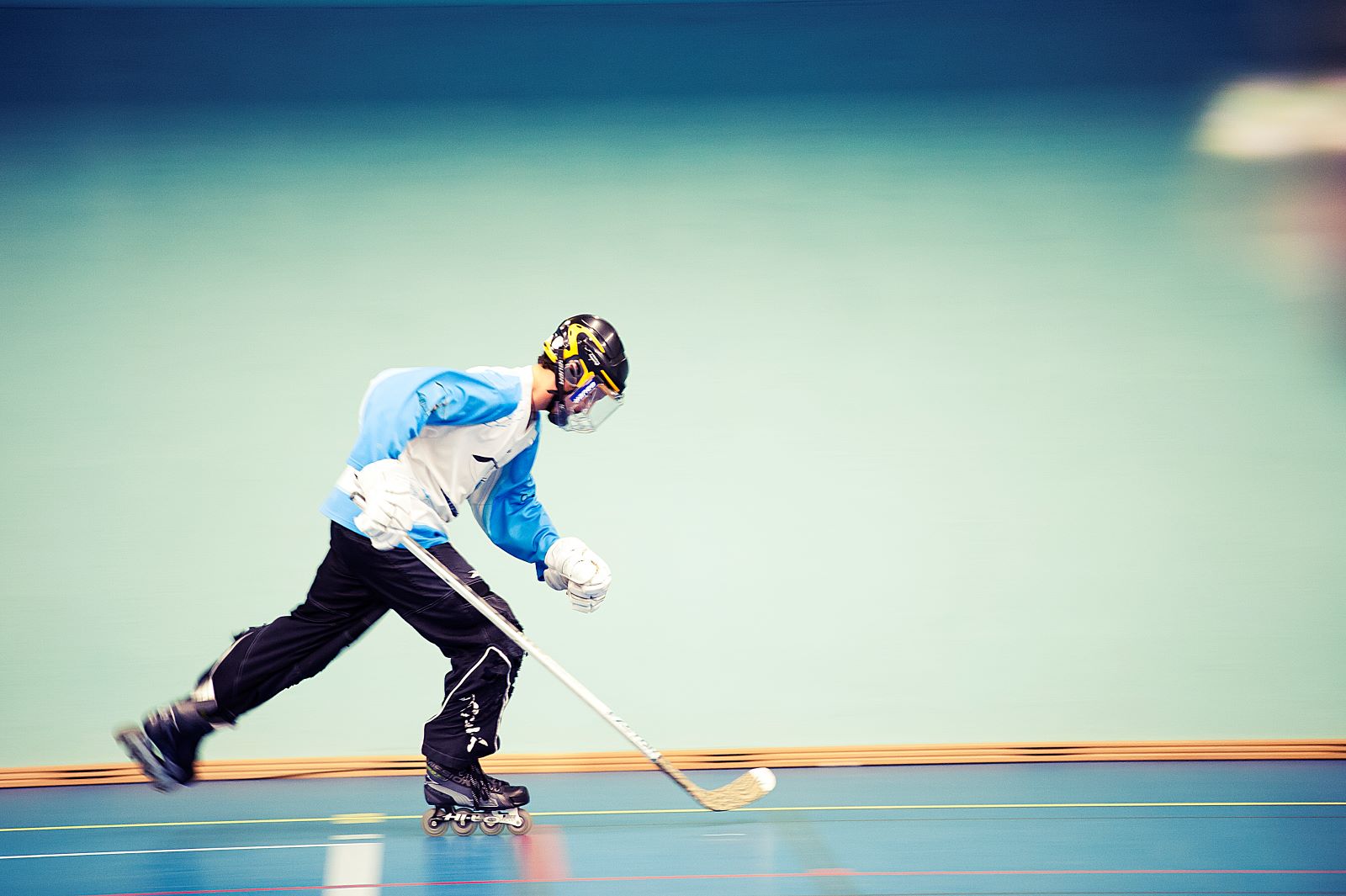
The architecture of a hockey season is often viewed through the lens of modern statistics and high-speed trades, but the sport's identity is actually forged in the struggle for infrastructure and the divergence of disciplines. Whether it is the fight to move from natural to artificial ice or the growing split between the ice and the rink, the game is in a state of constant structural flux.
The Survivalist Roots: A Legacy of Ice and Necessity
To understand the modern professional landscape, one must look back at the era of the pioneers—those who played in an age where the sport was tethered to the caprices of winter. In Geneva, the history of ice hockey is a testament to perseverance against environmental limitations. For decades, the organized practice of the sport in the region was at the mercy of the seasons. When the natural ice at locations like Florissant or the Étang des Tuileries vanished, teams were forced to host "home" matches in other cities, such as Lausanne or Le Pont.
The turning point arrived on November 21, 1954, with the inauguration of an experimental artificial ice rink at the Pavillon des Sports. This milestone was nearly derailed by disaster; a fire broke out the night before the inauguration, only narrowly contained by André Blanc, who tackled the blaze with an extinguisher in hand. Despite the experimental and somewhat non-regulatory nature of the track, the match between Servette and UGS—ending 7-2—marked the beginning of a new era for Geneva hockey.
This era was defined by survivalist tactics and strategic consolidations. In the spring of 1963, the necessity of addressing heavy financial burdens led to a historic fusion. After months of negotiations between club leaders like Claude Barbey, Georges Bourgeois, Fred Wenger, and Félicien Buzzano, the merger of Servette and UGS was finalized, giving birth to Genève-Servette HC. This move was not merely a sporting decision but a calculated response to the exhaustion of two clubs fighting for the same space, and it immediately yielded results, securing promotion to the LNA by the following season.
The Discipline Divergence: Ice vs. Wheels
While traditional ice hockey remains the heavyweight, the sport is experiencing a significant technical divergence. The relationship between ice hockey and roller hockey is often misunderstood as a hierarchy, yet the data suggests a complementary ecosystem rather than a zero-sum game.
In France, for instance, the statistics reveal a surprising stability. While ice hockey remains the dominant discipline, accounting for approximately 60% of licensed players, roller hockey holds a substantial 40% share. Crucially, the growth of roller hockey has not come at the expense of ice hockey; rather, it has reinforced the overall footprint of the sport within the national landscape.
| Metric/Status | Ice Hockey (France) | Roller Hockey (France) |
|---|---|---|
| Player Share (Approx.) | 60% | 40% |
| International Standing | Struggling (2nd Division) | Powerhouse (Top 4 Men) |
| Key Recent Success | Relegated in 2019 | 3 World Titles (Men/Juniors) |
The disparity in international performance is stark. While the French ice hockey team has faced difficulties—including a 2019 relegation to the second division following a loss to Great Britain—the roller hockey contingent has become a global force. The French men's senior team has maintained a position on the world podium for five consecutive years, currently ranking 4th globally alongside heavyweights like the Czech Republic, the United States, and Canada.
This divergence is also reflected in the specialized equipment driving the sport forward. While many items are interchangeable, roller hockey has developed its own niche, such as the three-wheel skate revolution led by Reign or the ice-mimicking chassis concepts from brands like Marsblade. This technical specialization is turning roller hockey into a distinct personality rather than a mere off-season alternative.
The Professional Pulse: High-Stakes Volatility
In the modern professional tier, the game has moved from the struggle for ice to the struggle for roster stability. The current NHL landscape is characterized by rapid, high-stakes shifts that reflect the immense value of player movement. The recent trade of Luke Evangelista from the Nashville Predators to the New Jersey Devils serves as a reminder of how quickly team identities can be reshaped.
As the sport continues to evolve, the tension remains between the historical foundations of the game and its increasingly specialized future. Whether it is the tactical precision required on the ice or the high-speed technicality of the roller rink, the common thread is a sport that refuses to remain static. The pioneers of 1905 could hardly have envisioned a world where the game would split between two surfaces, yet both paths continue to define the modern hockey identity.
Sources
These sources formed the evidence pack for this article. Links open the original publisher; inclusion does not imply endorsement.
- gshc.ch original
- technique-hockey.com original
- rds.ca original
- rodinneapartmany.cz original


