The 2026 US Open has arrived not just as a test of athletic endurance, but as a massive experiment in scale. With 22 days of competition—the longest in the tournament’s nearly 150-year history—the USTA has expanded the footprint of Flushing Meadows to an unprecedented degree. Yet, as the main draw moves deeper into the schedule, a widening chasm is becoming impossible to ignore: the gap between the tournament’s official accessibility and the economic reality of the secondary market.
A Draw in Flux: The Sinner and Kyrgios Void
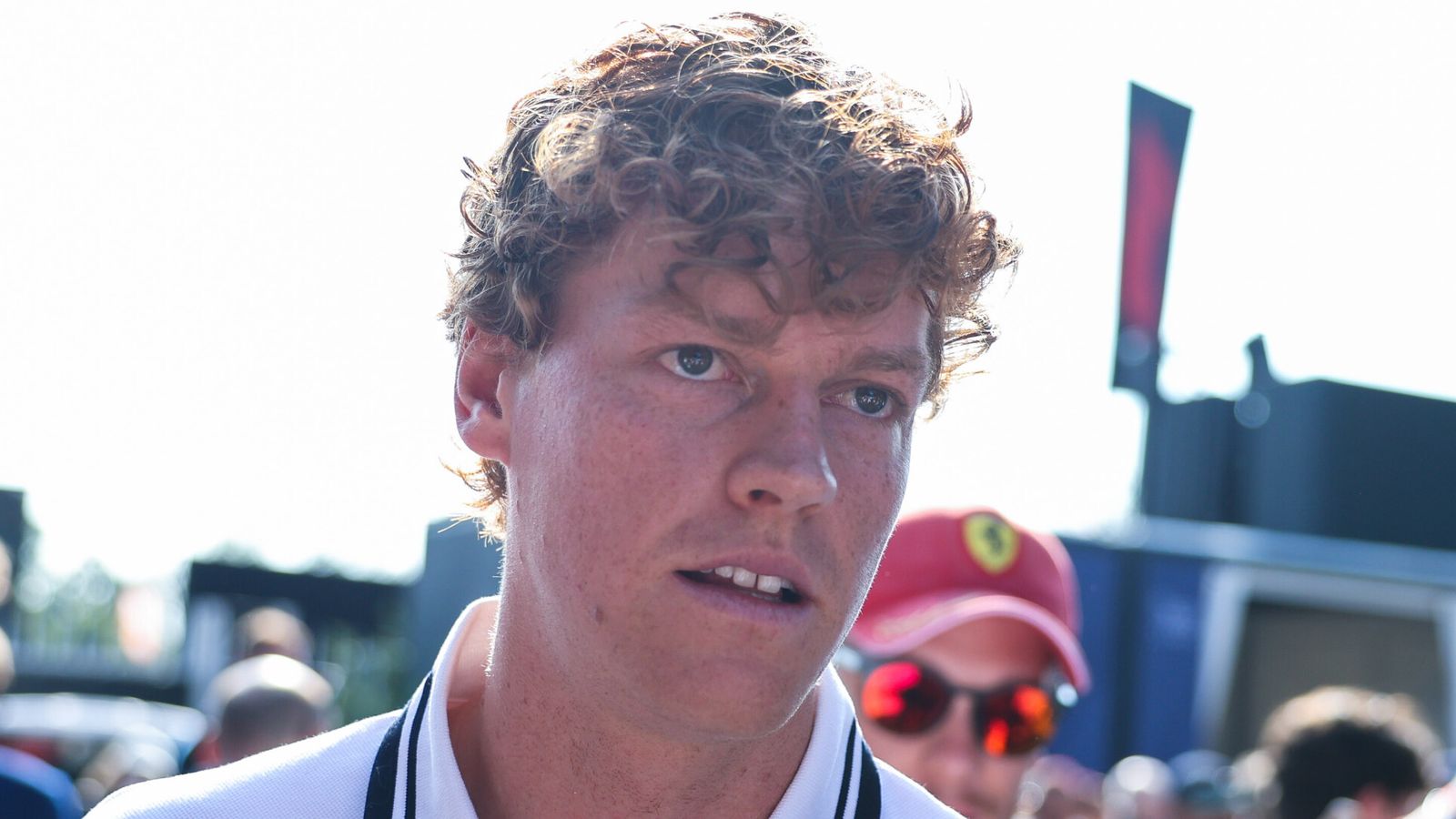
On the court, the landscape has been fundamentally altered by high-profile absences. The loss of world number one Jannik Sinner is a seismic shift for the tournament; his injury has stripped the field of a player who was chasing a third consecutive final appearance at the National Tennis Center. His absence, coupled with the suspension of Nick Kyrgios, leaves a vacuum in the competitive hierarchy that the remaining field must now fill.
The drama of the tournament is further colored by the physical toll on the veterans. While the headlines often focus on the ascending stars, the grit of the established guard remains a focal point, evidenced by the recent sight of Novak Djokovic battling through physical exhaustion and pain to navigate a grueling match against Argentina’s Mariano Navone. This mix of youthful opportunity and veteran attrition is the heartbeat of the current draw, even as the marquee names are reshuffled by injury and disciplinary action.
The 500% Markup: Analyzing the Resale Crisis
While the tennis is compelling, the financial barrier to entry is reaching a breaking point for the average New York fan. The math is stark: a grounds pass, which provides access to outer courts and practice areas, costs $65 at face value. On the secondary market, however, those same passes for popular sessions are trading at nearly $400—a staggering 500% markup.
This isn't merely a story of opportunistic scalping; it is a byproduct of the tournament's own structural design. The USTA utilizes a subscriber model that prioritizes full-series subscribers, allocating a massive portion of the inventory to them before the general public ever gets a chance at Ticketmaster. Because these subscribers have the legal right to resell their allocations under New York State law, the secondary market effectively becomes a secondary official outlet. When subscribers cannot attend specific sessions, they list their seats on platforms like StubHub or Vivid Seats, ensuring that the majority of available inventory for individual sessions is already in the hands of third-party resellers before the first ball is even struck.
The inflation extends to the premium seating as well:
- Arthur Ashe Stadium (Early Round Day): $43 (Face Value)
- Louis Armstrong Stadium (Reserved): Starting at $139 (Face Value)
- Grandstand (Reserved): Starting at $180 (Face Value)
- Women’s Singles Final: Starting at $320 (Face Value)
- Men’s Singles Final: Starting at $686 (Face Value)
On resale platforms, these figures often soar past $500 for premium sessions, with some weekend listings for the finals exceeding the $1,000 mark.
Mitigation and the 'Open for All' Strategy
The USTA is clearly attempting to balance this economic squeeze with programming designed to maintain the tournament's massive attendance numbers, which saw over 1 million fans in 2025. The strategy relies on high-volume, low-cost access points to keep the atmosphere alive.
While the seven-day Fan Week (August 23–29) has already concluded, offering free general admission through events like Arthur Ashe Kids’ Day and the US Open Block Party, the tournament still has one significant olive branch for the public. On Thursday, September 10, the USTA will host 'Open for All Day,' providing another day of free general admission during the main draw. For adults looking to bypass the secondary market, registration for a free Fan Access Pass via the US Open app is the mandatory entry requirement.
As we move toward the women’s singles final on September 12 and the men’s singles final on September 13, the question remains: can a tournament that is technically larger and more diverse in its programming than ever before remain a true public spectacle, or is the era of the 'everyman' fan at the US Open being replaced by a permanent, high-priced spectator class?
Sources
These sources formed the evidence pack for this article. Links open the original publisher; inclusion does not imply endorsement.
- usps.com original
- nywire.com original
- lbc.co.uk original
- oneplay.cz original