/filters:strip_exif()/fotosoederberg.jpg)
Scores, fixtures and picks
These fixtures are connected to teams or competitions named in the article. Live status and scores come from the normalized SportyPulses data feed; predictions are reader picks, not betting advice.
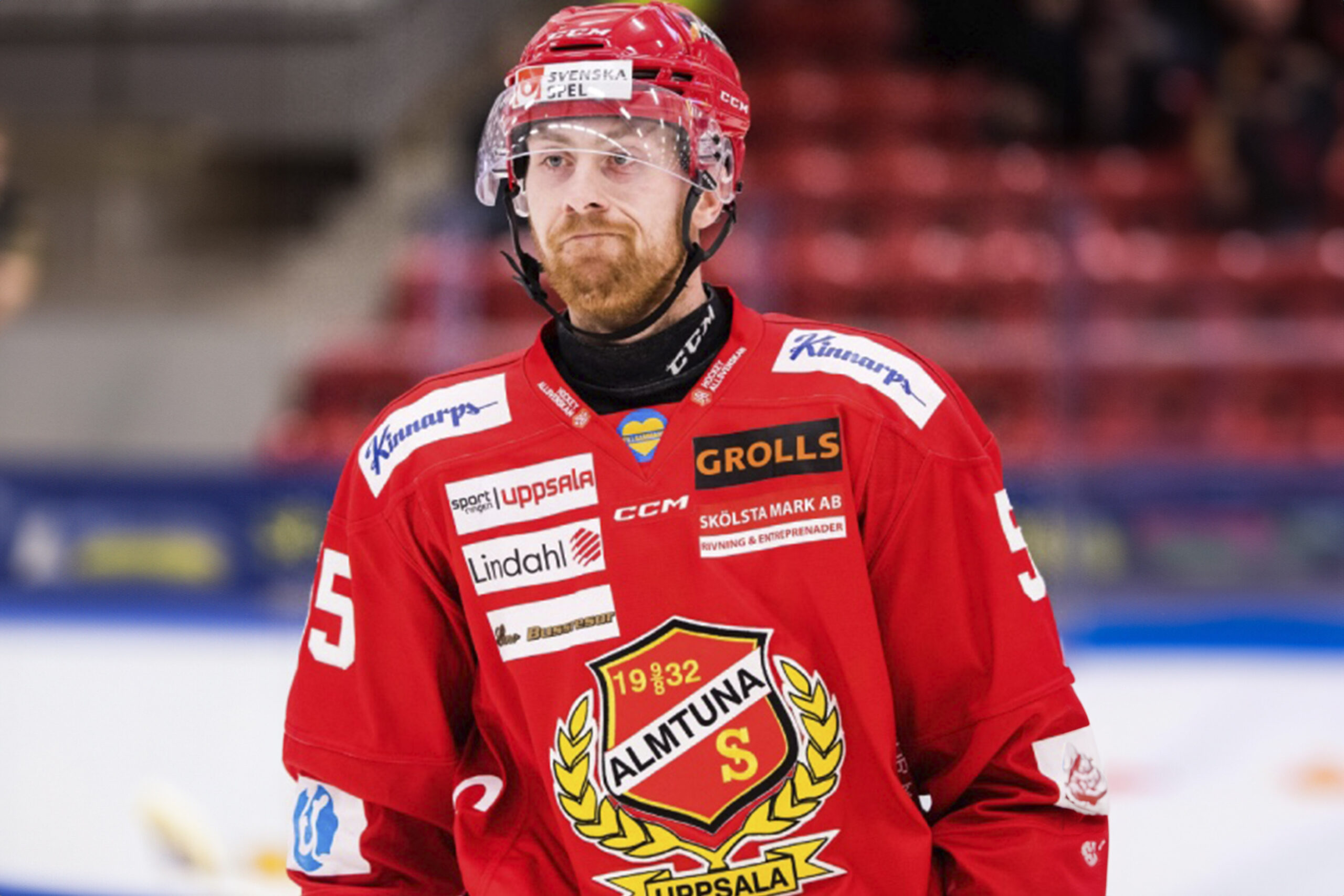
In the high-stakes landscape of the ICE Hockey League, the acquisition of a defenseman is rarely about headline-grabbing offensive statistics. It is about geometry, physical deterrence, and the quiet stabilization of the defensive zone. Andreas Söderberg, the 194 cm, 95 kg Swedish blue-liner, has become a definitive study in this specific tactical demand.
Söderberg’s transition to the Italian league was marked by his 2024 signing with HCB Alto Adige Alperia. At the time of his arrival, the objective was clear: the club required depth and an uncompromising approach to puck clearance. Söderberg described his own mandate with characteristic, blue-collar directness: I am a physical defender, I like to take care of the essentials and help the goalkeeper; my job is to prevent opponents from scoring.
The trajectory of Söderberg’s career offers context for his current valuation. Drafted by the Chicago Blackhawks in the fifth round (148th overall) in 2014, he spent a decade refining his craft within the robust Swedish system. Before his departure from the SHL and Allsvenskan, he logged 346 appearances in the second-tier league and 39 in the SHL, contributing to an Allsvenskan title in 2022. This, combined with brief stints in the Champions Hockey League, established a resume rooted in durability and reliable positioning.
The Speculative Pivot
As of mid-2026, the discussion surrounding Söderberg has shifted toward the plateau. With Asiago Hockey looking to bolster its roster, his name has surfaced in market speculation alongside potential reinforcements such as Ethan Szypula. For a team like Migross Supermercati Asiago, which has faced a challenging points trajectory in the current campaign—holding 23 points through 23 games—the inclusion of a proven, experienced defender would represent a clear strategic pivot toward defensive structural stability.
The analytical challenge for Asiago management remains the balance between roster depth and the existing financial and competitive constraints of the league. While the organizational focus in the region remains broad—ranging from local infrastructure projects to regional community initiatives—the sporting necessity is concentrated on the ice at the Hodegart. Any potential move for a player of Söderberg’s physical profile suggests a recognition that the team’s defensive metrics require immediate, veteran-led intervention.
Tactical Implications
Whether the rumors regarding Söderberg manifest into a signed contract or remain an exercise in market evaluation, the focus on him highlights a common denominator in European hockey recruitment: the preference for 'heavy' defenders who can navigate the high-traffic areas in front of the crease. His 2024 self-assessment remains highly relevant to any team currently scouting his services: his value is not in transition speed or power-play utility, but in the tactical reduction of opponent scoring chances.
As the ICE Hockey League enters its next phase of roster solidification, the deployment of personnel will be the defining variable. For Söderberg, the transition from his tenure with the Foxes to any new assignment would mark the next chapter of his adaptation to a league where the margins between success and a lower-table finish are increasingly dictated by defensive discipline.
Sources
These sources formed the evidence pack for this article. Links open the original publisher; inclusion does not imply endorsement.
- Marco Stella original
- Comunicato stampa original
- Luca Tommasini original
- Michele Berardi original