The modern sports consumer is no longer satisfied with a mere broadcast; they demand a seamless, integrated ecosystem that allows them to watch, play, and socialize from a single digital hub. DAZN has positioned itself as this exact destination, marketing a 'truly global' platform designed to deliver the game to fans regardless of their location. However, as the platform expands its footprint—stretching from the 'House of Boxing' to the massive scale of the FIFA Club World Cup—a distinct tension has emerged between its high-level content ambitions and the granular technical realities of the streaming experience.
The Rights Empire: Building a Global Content Monopoly
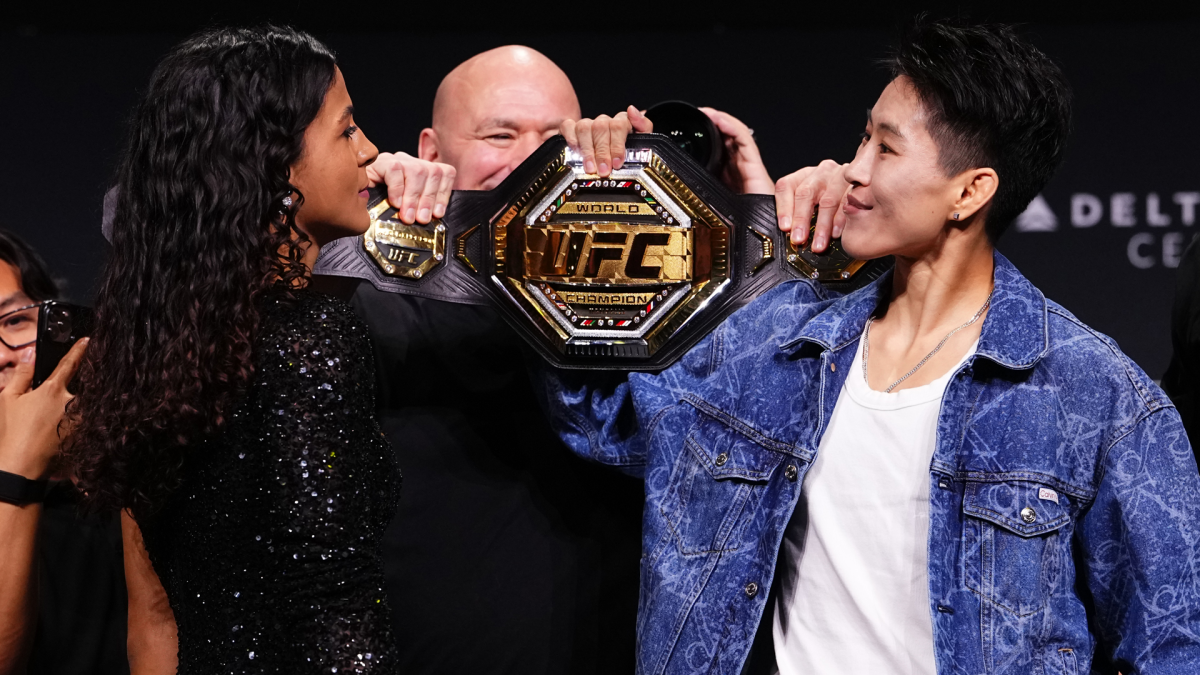
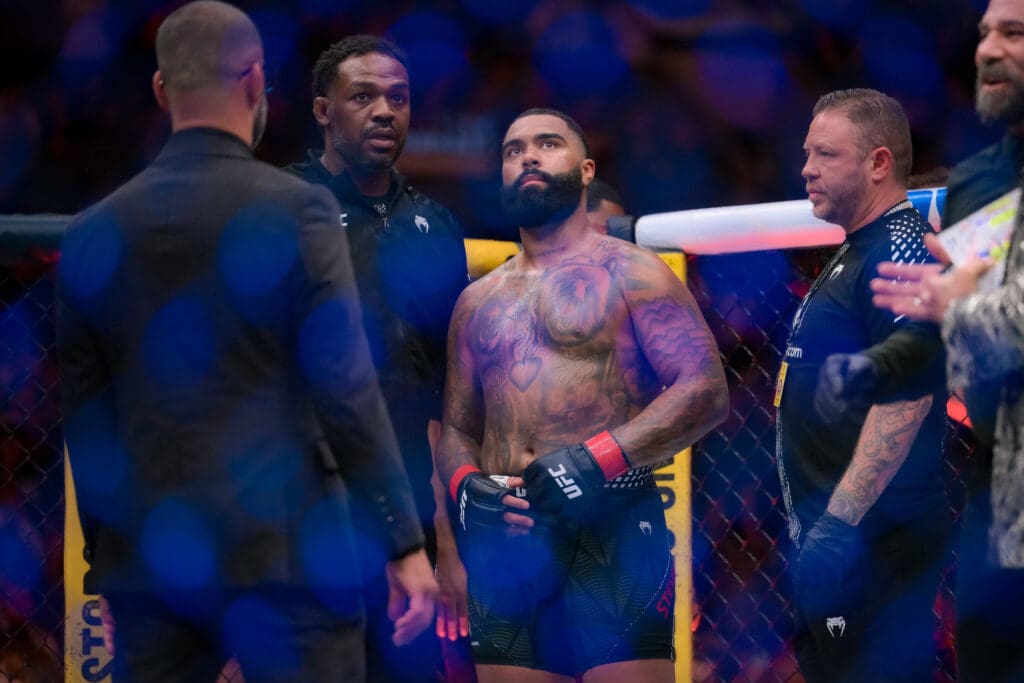
DAZN’s primary strength lies in its massive and diversifying rights portfolio. The platform is not merely a broadcaster but a centralized hub for high-stakes competition. This includes a deep dive into the 'House of Boxing,' featuring historic fights from Matchroom Promotions, Queensbury, and Golden Boy Promotions, alongside the Bare Knuckle Fighting Championship (BKFC). The combat sports offering is further bolstered by the Professional Fighters League (PFL) and Naciones MMA.
Beyond the ring, the platform has pivoted heavily toward global football and American football. The upcoming FIFA Club World Cup—a brand-new tournament featuring 32 of the world's premier clubs—is set to run from June 14 to July 13, offering a rare window of global football supremacy. For the American market and beyond, the integration of NFL Game Pass provides a direct line to every game, while the platform also maintains a significant presence in women's football through rights to Liga F, the NWSL, and the Frauen-Bundesliga.
This breadth extends into niche and emerging markets as well, with live coverage of Padel, global tennis tournaments, and content from Red Bull TV and Padel TIME TV. By utilizing features like the 'Scheduled' alert system and a sub-navigation bar for quick access to men's and women's competitions, DAZN attempts to organize this massive influx of data into a navigable user experience.
The Social Front Row: The FanZone Experiment
A key differentiator in DAZN’s strategy is the attempt to transform passive viewing into an active social event. Through the 'FanZone,' the platform seeks to simulate the atmosphere of a live stadium. Users are encouraged to converse in real-time, send reactions, and participate in polls, effectively turning a solo streaming session into a communal experience. This layer of interactivity is designed to satisfy the demand for connection, making every match a social milestone rather than just a data stream.
The Technical Friction: Connectivity, Privacy, and the User Gap
Despite the polished interface and social ambitions, the transition from a spectator to a seamless streamer is often interrupted by technical and administrative hurdles. User feedback reveals a landscape where the 'watch anywhere' promise meets the reality of digital friction.
The Connectivity Variable
For fans traveling or living in regions with restrictive access, the reliance on tools like Proton VPN has become a standard part of the streaming workflow. To maintain privacy and avoid latency, users often utilize VPN services to connect to Plus servers, specifically on devices like Windows, macOS, Linux, and Android. On iOS, the ecosystem is more rigid, requiring users to utilize the DAZN app specifically to facilitate secure streaming through a VPN.
The Service Gap: Cancellation and Glitches
The most significant analytical disconnect exists between DAZN's marketing and the administrative experience reported by some users. There are documented instances of friction regarding subscription management, particularly on iOS, where users have reported difficulties navigating the cancellation process between the Apple Store and DAZN’s own interface. "They sell the subscription saying cancellation is immediate. They don't allow cancellation on the site... Apple says it's with DAZN and vice versa," one user noted, highlighting a breakdown in the expected user journey.
Furthermore, technical stability remains a variable. While recent application updates have focused on error corrections and mobile/tablet improvements, users have reported instances where live broadcasts fail, leaving them stuck with a loop of a channel logo and background music instead of the live action. For a platform built on the adrenaline of live sports, these lapses in service quality represent a critical vulnerability.
High-Stakes Benchmarks: The NBA Influence
The appetite for the kind of high-intensity coverage DAZN aims for is perfectly exemplified by the current NBA landscape. As the 2025/26 season progresses, matchups like the Golden State Warriors vs. Milwaukee Bucks at the Fiserv Forum demonstrate why premium streaming is essential. When Giannis Antetokounmpo is delivering dominant lines—averaging 36.2 points, 14 rebounds, and 7 assists with a 70% shooting efficiency—the demand for a stable, high-fidelity stream is absolute. Whether through NBA League Pass or various broadcast partners, the expectation is a broadcast that can match the physical intensity of the players on the court.
As DAZN continues to aggregate the world's most valuable sporting rights, its success will likely be measured not just by the names on its contract list, but by its ability to resolve the technical and administrative frictions that currently sit between the fan and the game.
Sources
These sources formed the evidence pack for this article. Links open the original publisher; inclusion does not imply endorsement.
- apps.apple.com original
- voa.org original
- protonvpn.com original
- livebasketballbr.com original