For over a decade, the Netflix experience was defined by the solitary comfort of the living room—a seamless, asynchronous journey through vast libraries of VOD content. But the streamer is currently undergoing a high-velocity transformation, pivoting from a digital warehouse to a live-event powerhouse. This evolution isn't just about bringing the NFL to your couch; it is about reclaiming the collective roar of the crowd by invading the commercial landscape.
The most critical component of this expansion isn't just the content itself, but the distribution architecture. Through a strategic commercial agreement with EverPass Media, Netflix is ensuring its marquee NFL broadcasts—including the high-profile Christmas Day matchups—aren't confined to domestic households. By partnering with EverPass, Netflix has unlocked the ability to beam its exclusive games directly into bars, restaurants, hotels, and gyms, effectively weaponizing the out-of-home viewership that has long been the sanctuary of traditional cable networks.
The Out-of-Home Offensive
The logic behind the EverPass partnership is a direct response to the unique economics of sports viewership. While individual subscribers drive the platform's growth, the "commercial market" provides a massive, concentrated audience that thrives on shared experiences. For venue owners, having access to premium NFL content is no longer optional; it is a business necessity to drive foot traffic during holiday windows.
EverPass, which has already established itself as a centralized hub for premium sports through its distribution of NFL Sunday Ticket and Prime Video’s Thursday Night Football, acts as the vital bridge. As Alex Kaplan, CEO of EverPass Media, noted, the partnership is a "strong point of validation" as the platform continues to focus on bringing premium content to commercial establishments to revolutionize viewership for business owners.
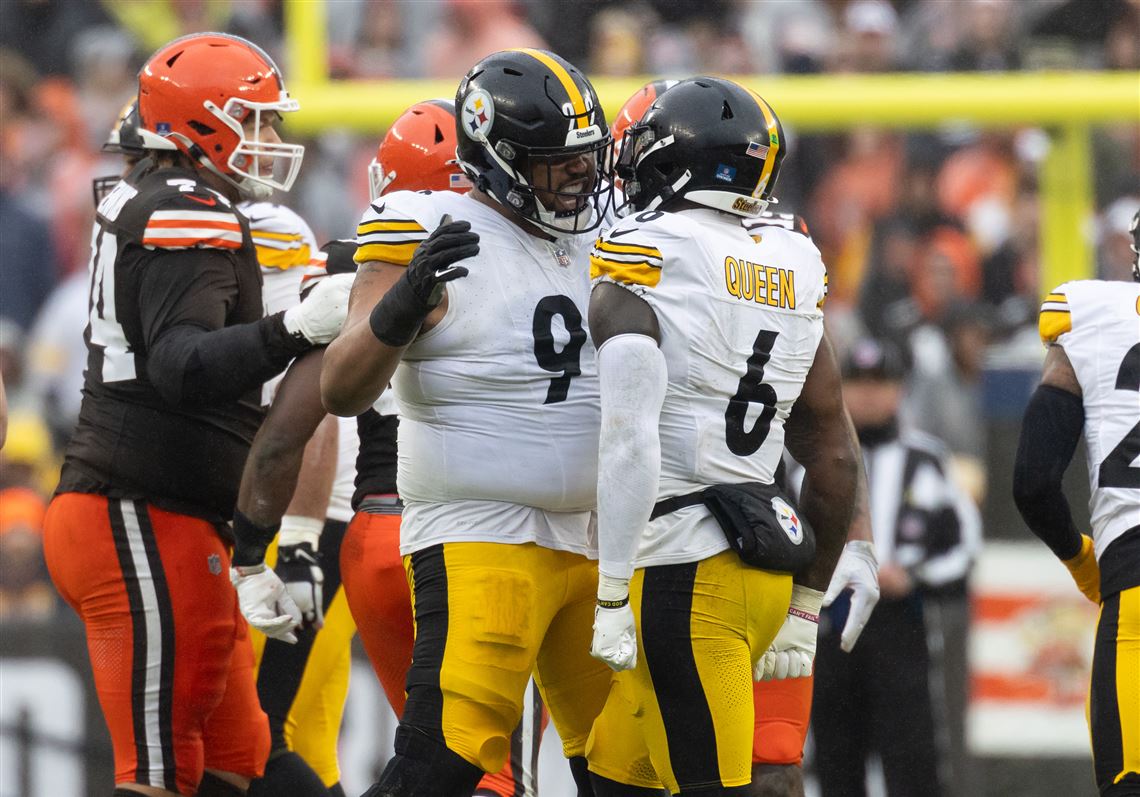
This commercial reach was pioneered during the initial rollout of Netflix’s NFL Christmas Day slate, which featured high-stakes clashes such as the Kansas City Chiefs vs. the Pittsburgh Steelers and the Baltimore Ravens vs. the Houston Texans. By securing these rights, Netflix isn't just competing for eyeballs; it is competing for the very atmosphere of the American sports experience.
The Ghost in the Machine: Technical Volatility
However, the transition from VOD to live-scale broadcasting is fraught with technical peril. The industry has already seen the potential for catastrophe. When Netflix attempted to host the Mike Tyson vs. Jake Paul boxing match, the streamer reached unprecedented heights, raking in an average of 108 million viewers and 65 million concurrent streams. Yet, the spectacle was haunted by a recurring nightmare for any live broadcaster: technical instability.
Despite the massive numbers, widespread reports of buffering, laggy, and "unwatchable muddiness" plagued the event. For a service attempting to position itself as a legitimate alternative to the decades-old infrastructure of cable, these "buffering blips" are more than mere inconveniences—they are existential threats. In a live sports environment, you cannot pre-cache the action. If a node throttles during a crucial play, the user experience breaks, and the value of the live-ad impression evaporates instantly.
The challenge lies in the sheer scale of concurrency. Unlike a movie, where demand is spread across time, a live NFL game creates a massive, simultaneous spike in data demand that places unprecedented stress on global edge-nodes. To succeed, Netflix must move beyond simple streaming and master the art of autonomous network management to mitigate signal degradation in real-time.

"The future of streaming will be shaped by collaboration, personalization, and seamless user experiences."
LinkedIn analysis on the TF1+ and Netflix integration
The Spectacle Strategy: More Than Just a Game
To mitigate the risks of the digital medium, Netflix is leaning heavily into the 'event' aspect of sports. They are not just broadcasting games; they are producing spectacles. The inclusion of massive pop-culture anchors—such as Beyoncé’s halftime performance during the Ravens-Texans matchup—demonstrates a strategy to make every broadcast a 'can't-miss' cultural moment.
This approach serves two purposes: it justifies the technical complexity of the live stream and it creates a layer of engagement that transcends the scoreboard. By blending elite athletics with top-tier entertainment, Netflix is attempting to build a moat around its live offerings that traditional broadcasters struggle to replicate.
As the platform continues to diversify—adding MLB, WWE's Monday Night Raw, and even the FIFA Women's World Cup to its repertoire—the central question remains: Can the technology catch up to the ambition? The NFL-EverPass alliance proves that Netflix has the business blueprint to dominate the commercial market, but the technical execution will determine if they remain a titan of entertainment or a cautionary tale of live-streaming growing pains.
Evidence-Led Forecast: The Reliability Bar
Tactical Pattern: Expect Netflix to continue prioritizing "spectacle-heavy" scheduling, pairing high-concurrency games with massive musical or celebrity integrations to maximize the 'event' value and offset potential technical friction.
Decisive Matchup: The true test for the platform's infrastructure will be the intersection of peak concurrent viewership and real-time social media engagement. If the stream can maintain stability while millions are simultaneously interacting via social platforms, the technology will have reached maturity.
Strongest Counter-Case: A significant technical failure during a high-stakes, commercial-heavy event (like a holiday NFL game in a major bar chain) could cause a massive loss of confidence among B2B partners like EverPass, potentially slowing the adoption of Netflix in the commercial sector.
What Would Change the Read: Any shift toward localized, autonomous edge-node technology that can predictively route around signal degradation would fundamentally de-risk the entire live-streaming business model.
Sources
These sources formed the evidence pack for this article. Links open the original publisher; inclusion does not imply endorsement.
- nfl.com original
- theverge.com original
- linkedin.com original
- everpass.com original