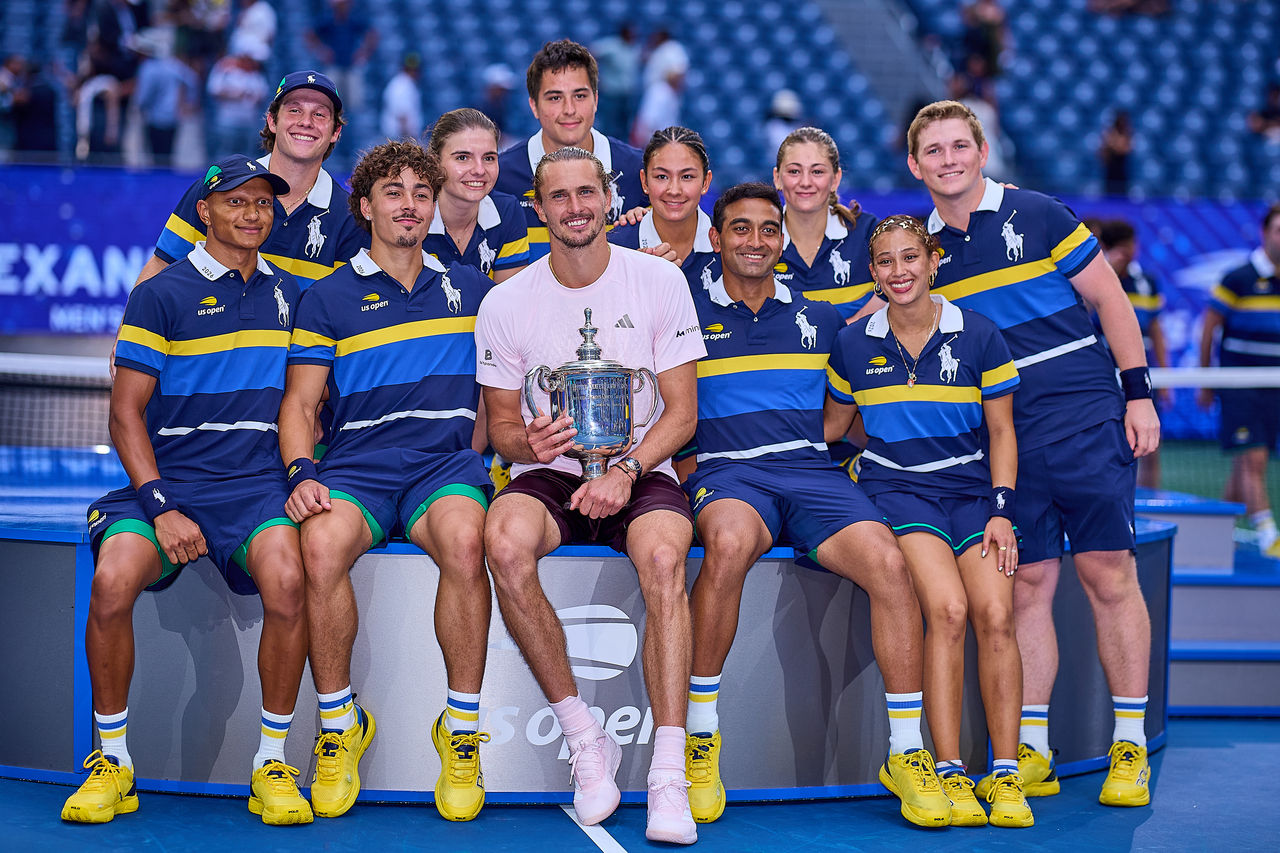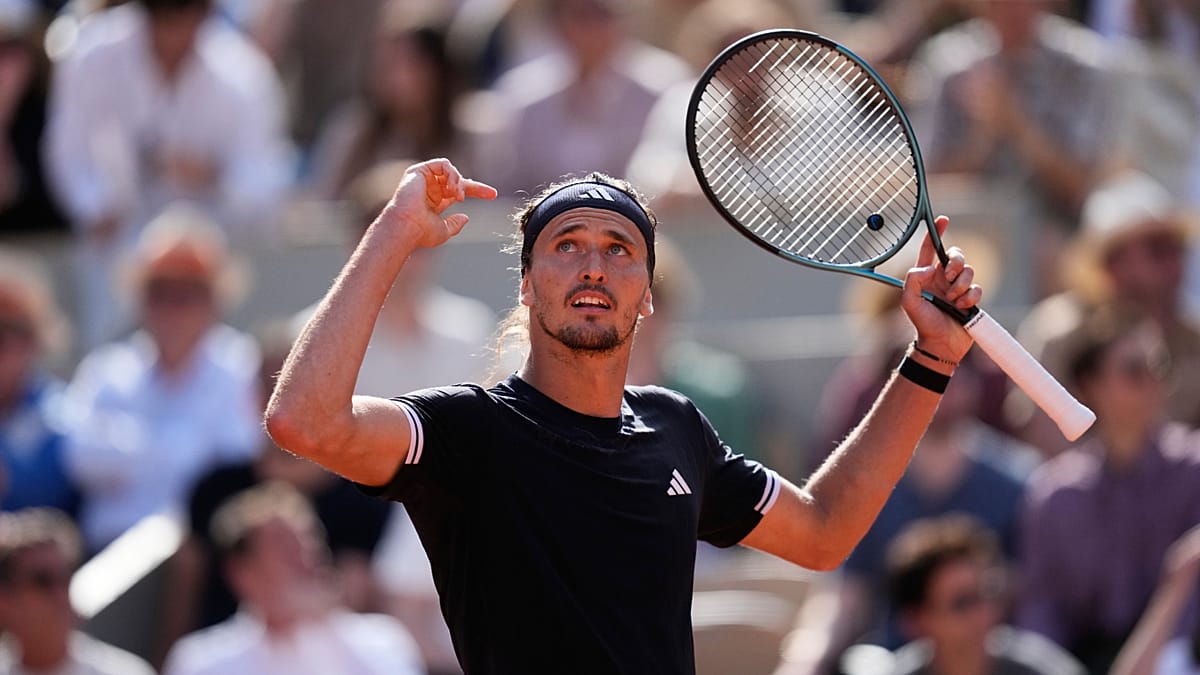
Alexander Zverev no longer enters the Grand Slam stage as the hungry challenger looking for a breakthrough. He enters as a man who has already climbed the mountain. The 2026 season has fundamentally rewired the narrative around the Hamburg native, transforming him from a perennial contender into a legitimate Grand Slam champion. Yet, as the US Open approaches, a palpable tension exists between his historic achievements and his recent, stumbling form.
The weight of expectation in New York is different for Zverev than it was for the version of him that fell in the US Open 2020 final. He is now the world number two, a man who has proven he can survive the grueling five-set marathons that define major championships. But the road to the US Open has been anything but a smooth ascent.
The 2026 Paradigm Shift: From Contender to King
To understand the stakes in New York, one must look at the tectonic shifts in Zverev’s career over the last few months. The pinnacle arrived in June on the red clay of Paris. At the French Open, Zverev delivered a performance that silenced skeptics, overcoming Flavio Cobolli in a dramatic five-set final with a scoreline of 6-1, 4-6, 6-4, 6-7 (5-7), and 6-1. It was a victory that provided him with something more than just a trophy; it provided the "freedom" and "joy" that he noted could fuel a more offensive style of play.
He followed that clay-court triumph by transitioning to the grass of Wimbledon, where he reached his first Wimbledon final. Although he ultimately fell to Jannik Sinner in a four-set battle, the performance solidified his status. The international press, which had previously debated his ceiling, began celebrating him as a mainstay of the elite, even as Sinner—the world number one—remained the benchmark to beat.

The Rhythm Gap: Analyzing the Cincinnati Stumble
However, the momentum from his French Open triumph has not translated seamlessly into the summer hard-court swing. The cracks began to show in Cincinnati. Despite entering the tournament as the heavy favorite, Zverev suffered a bitter defeat in the Round of 16. This was followed by a period of scrutiny during the Masters in Montréal, where Zverev expressed frustration with the tournament conditions, describing himself as an "Alleinunterhalter" (solo performer) amidst less-than-ideal frameworks.
For analysts, the concern isn't Zverev's talent—which remains unquestioned—but his rhythm. The transition from the slow, sliding rallies of Roland Garros to the high-octane, explosive requirements of hard-court tennis requires a specific type of physical and mental calibration. The recent losses suggest that while Zverev has the firepower, he is still searching for the consistency required to sustain dominance on faster surfaces.
Tactical Blueprint: The Physics of a Powerhouse
If Zverev is to navigate the US Open draw, he must rely on the physical attributes that make him one of the most difficult opponents on the ATP Tour. Standing at 1.98 meters, his reach is a primary defensive weapon, allowing him to neutralize heavy shots that would leave smaller players stranded. Yet, he defies the traditional archetype of the "lanky" player; he remains exceptionally fast and agile, a necessity for the lateral movements required in New York.
His technical foundation rests on several key pillars:
- The Serve: A high-velocity, pressurized weapon that dictates points from the first strike.
- The Backhand: A stable, two-handed foundation that allows him to absorb pressure and reset rallies.
- The Forehand: A high-risk, high-reward shot capable of dictating play from almost any position on the court.
- Physical Endurance: His ability to maintain intensity during long, multi-set matches has been a hallmark of his recent Grand Slam runs.
Using his HEAD Gravity Pro setup, Zverev leans into an aggressive baseline game. The challenge in New York will be balancing this aggression with the precision needed to prevent opponents from turning his power against him.
Evidence-Led Forecast
Likely Tactical Pattern: Expect Zverev to lean heavily on his serve-plus-one strategy, attempting to shorten points to mitigate the fatigue seen in his recent hard-court appearances. He will likely attempt to dominate the baseline exchanges through sheer weight of shot, using his reach to defend against counter-punchers.
Decisive Matchup: The inevitable collision with Jannik Sinner. While Zverev has found success on clay, Sinner remains the ultimate litmus test for Zverev's ability to control the tempo on hard courts.
Strongest Counter-Case: A lack of match rhythm. If Zverev cannot find the early-match consistency he displayed in Paris, he risks being drawn into extended, high-variance rallies where his unforced error count could climb.
What Changes the Read: A return to the "mental calm" he discovered during his French Open run. If Zverev can marry his newfound championship confidence with his aggressive tactical identity, he moves from a contender to a primary threat for the title.
Sources
These sources formed the evidence pack for this article. Links open the original publisher; inclusion does not imply endorsement.
- tennis-match.de original
- faz.net original
- tennis-point.de original
- ran.joyn.de original