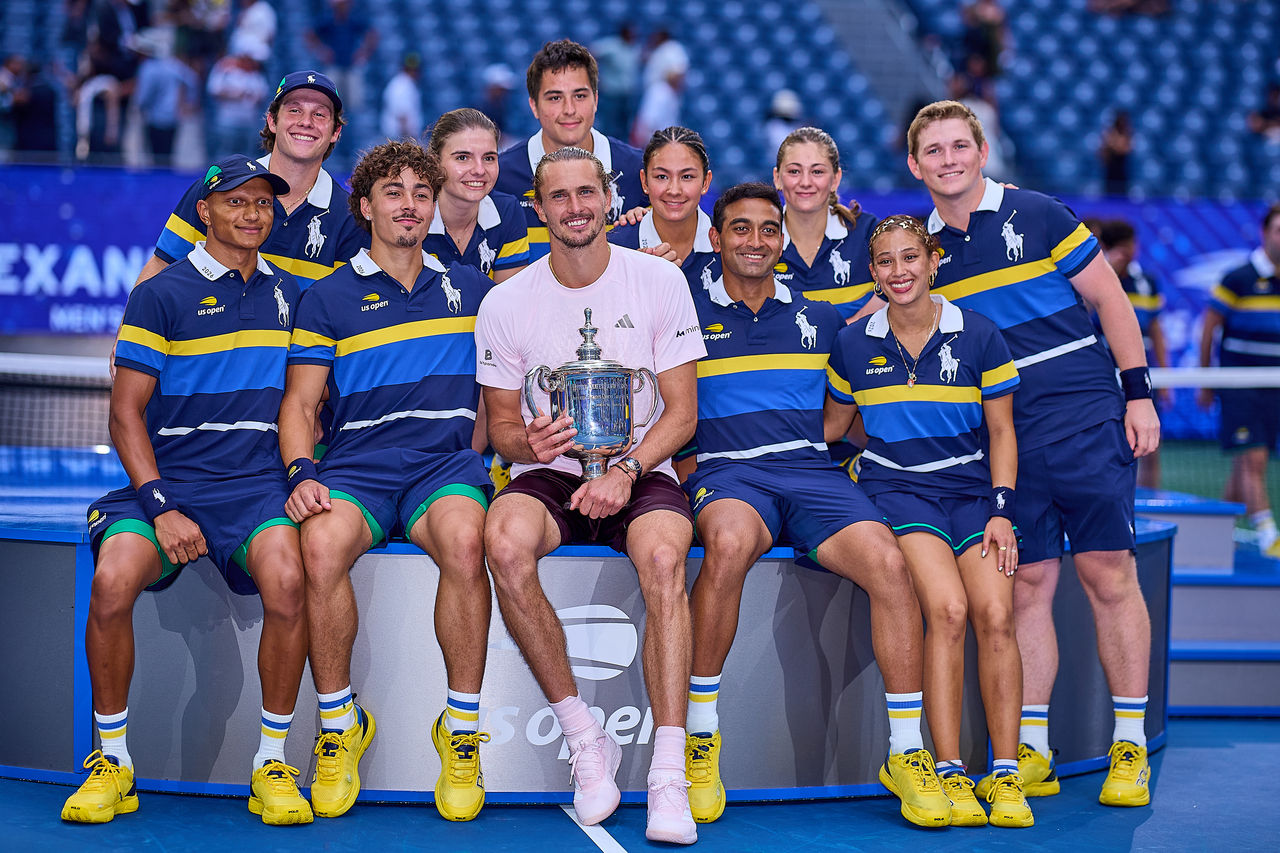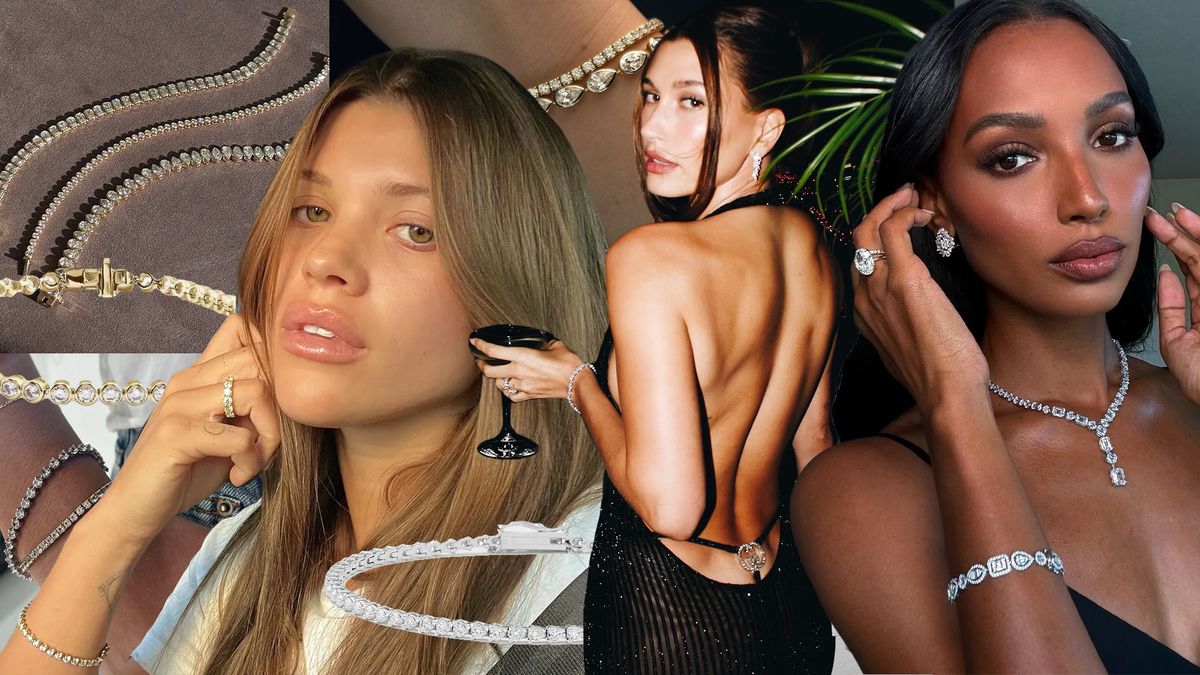
As the lights prepare to descend on the 2026 U.S. Open, the tension isn't merely confined to the baseline exchanges or the grit of a fifth-set tiebreak. There is a secondary, high-stakes drama unfolding in the luxury suites and the front rows of the spectator stands: the enduring, evolving spectacle of the diamond tennis bracelet.
What began as a televised mishap has matured into a cornerstone of high-end jewelry, a piece that balances the raw physicality of sport with the polished precision of fine craftsmanship. To understand why this accessory remains a staple of the tennis elite, one must look back to a moment of pure, unscripted chaos.
The 1987 Catalyst: How a Lost Diamond Defined a Category
Before it was a symbol of status, the piece was simply known as an "eternity bracelet." That changed during the 1987 US Open. Tennis legend Chris Evert was mid-match when her diamond bracelet came loose and tumbled onto the court. The interruption required to locate the piece was televised worldwide, turning a momentary lapse in security into a global branding phenomenon. From that single point of failure, the "tennis bracelet" was born.
Since that televised moment, the design has transitioned from a niche luxury item to a versatile emblem of elegance, worn by icons ranging from Serena Williams to Anna Kournikova. Today, the market reflects this massive scale, with offerings ranging from modest pieces to breathtaking heavyweights, such as a 17.7 carat 750 white gold bracelet valued at €79,919.00.
The Investment Calculus: Earth-Mined vs. Lab-Grown
For the modern collector, the tennis bracelet is no longer just a fashion choice; it is a question of financial strategy. Traditionally, the value proposition was simple: high-quality, earth-mined diamonds have historically appreciated year over year due to rising costs. However, the landscape is being fundamentally rewritten by the entry of lab-grown diamonds.
This shift creates a dichotomy in the market. On one hand, lab-grown options offer significantly more "bang for your buck," allowing for higher carat weights at accessible price points. On the other, the traditionalist views the earth-mined piece as a long-term asset. As Megan Kothari, founder of Aaryah, notes:
"Tennis bracelets are the perfect investment piece. Their classic design ensures they never go out of style, and the high-quality diamonds or stones used can appreciate over time and can also be reset into so many jewelry pieces."
Whether one chooses the scarcity of the mined stone or the value of the lab-grown alternative, the goal remains the same: finding a piece that transcends seasonal trends.
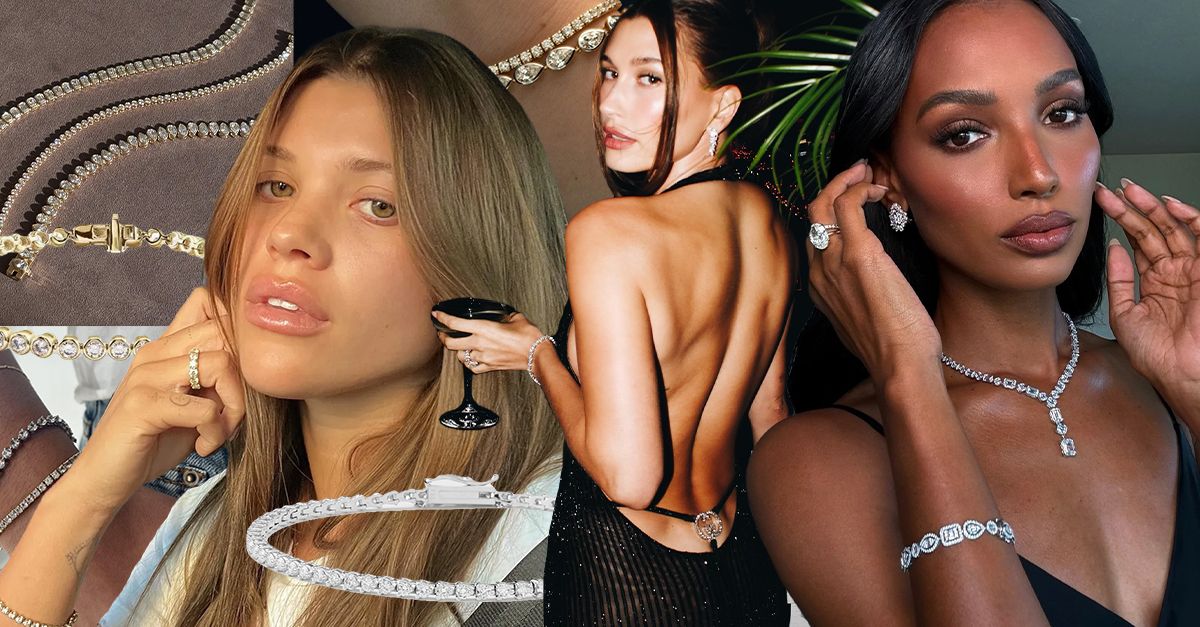
The Anatomy of a Masterpiece: Engineering Security and Style
When purchasing a piece of significant carat weight, the distinction between a "fashion accessory" and a "lasting investment" lies in the technical specifications. A tennis bracelet is a continuous loop of stones, meaning a single point of failure can result in a catastrophic loss.
The Security Protocol: Clasps and Settings
Jewelers emphasize that the mechanism is just as critical as the stones themselves. If you are investing in a high-carat weight piece, the choice of clasp is non-negotiable.
| Clasp Type | Functionality & Security |
|---|---|
| Barrel Clasp | A robust, screw-together mechanism primarily used for the most valuable, high-end pieces. |
| Spring Ring Clasp | A simpler metal ring with a spring mechanism, common in classic, lighter designs. |
| Lobster Clasp | Practical for variable lengths, but experts warn against using these for significant total carat weights. |
Beyond the clasp, the setting dictates the bracelet's longevity. While four-prong settings are standard for maintaining clarity, those who lead an active lifestyle may find more value in a bezel setting. Steph Mazuera suggests that a secure setting is essential for keeping diamonds in place, noting that a bezel provides extra durability for those who are "harder on their jewelry."
The Stone Standard: Calibration and Cut
A common pitfall in lower-quality bracelets is the sacrifice of stone quality for price. To ensure a piece "lets the diamonds do the talking," experts suggest specific benchmarks for color and clarity. For classic styles ranging from one to 10 carats, a G to H color and SI2+ clarity often represent the ideal intersection of beauty and value. However, for those seeking peak brilliance, moving into the H+ color and VS+ clarity range is recommended.
Furthermore, the aesthetic has moved far beyond the traditional round brilliant cut. The 2026 market shows a clear appetite for diverse geometries, including:
- Oval-cut diamonds: Offering a modern, elongated elegance.
- Emerald and Asscher cuts: Providing a structured, vintage feel.
- Pear-shaped diamonds: A specialized combination for high-fashion statements.
Ultimately, the value of a tennis bracelet is found in the intention of its construction—from the smoothness of the prongs to the precision of the stone calibration. Whether worn solo as a singular statement or stacked with a watch for a layered look, the tennis bracelet remains the ultimate intersection of sporting heritage and unapologetic luxury.
Sources
These sources formed the evidence pack for this article. Links open the original publisher; inclusion does not imply endorsement.
- brogle.com original
- whowhatwear.com original
- si.com original
- coeur-de-lion.eu original