The heavyweight landscape is currently defined less by the physics of a punch and more by the friction of a contract. While fans wait for the inevitable collision between Anthony Joshua and Tyson Fury, the real fight is being waged in boardrooms, negotiating the territory where this 'Battle of Britain' will actually take place.
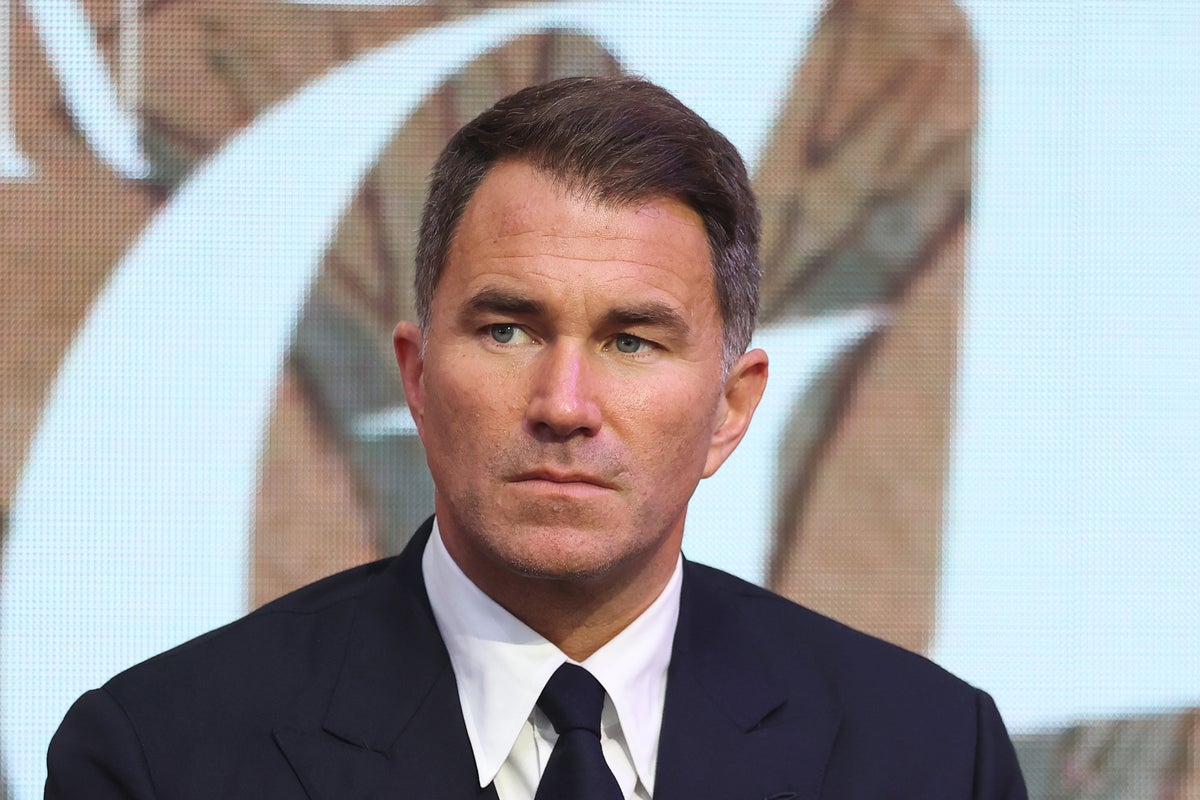
The tension is a classic struggle of sporting identity versus global commerce. On one side, Matchroom chief Eddie Hearn is anchoring the fight to the United Kingdom, citing a responsibility to British fans and the potential for a massive Wembley Stadium spectacle. On the other, the massive financial engines of Saudi backers and Netflix are reportedly pushing for a high-yield American setting, with New York’s Madison Square Garden emerging as the primary target.
The Wembley Dream vs. The Manhattan Mandate
For Hearn and Joshua, the fight is a homecoming. Hearn has been vocal about the cultural weight of the matchup, suggesting that the British public deserves to witness this historic encounter on home soil. This sentiment is echoed by former WBC cruiserweight champion Tony Bellew, who has criticized the industry's obsession with American markets. I'm just sick of it,
Bellew remarked in late July, arguing that the UK possesses the most passionate fans in the world and that the pursuit of American interest is a misplaced endeavor because, in his view, America don't care about us.
However, the commercial reality is far more complex. Turki Alalshikh and the Saudi-backed interests, alongside the broadcaster Netflix, are operating on a different logic: business sense. The pressure to move the fight to the United States is immense, driven by the scale of the investment and the viewership potential of a Madison Square Garden setting. Hearn has even issued a stark ultimatum regarding this shift, telling The Punch Podcast: If they announce the fight without agreeing on the venue change, there will be no fight, and we’re not bluffing.
The disagreement is highlighted by a fundamental contradiction in the reporting of the negotiations:
- Frank Warren's Perspective: Fury’s promoter maintains that an agreement is already in place, noting that Fury signed for the bout as far back as January.
- Eddie Hearn's Perspective: Hearn insists that while they have been going 'back and forth' with a proposal involving two fights, there is no finality regarding the venue or the specific July/November scheduling.
A Promoter's War: Ego, Money, and 'Weakness'
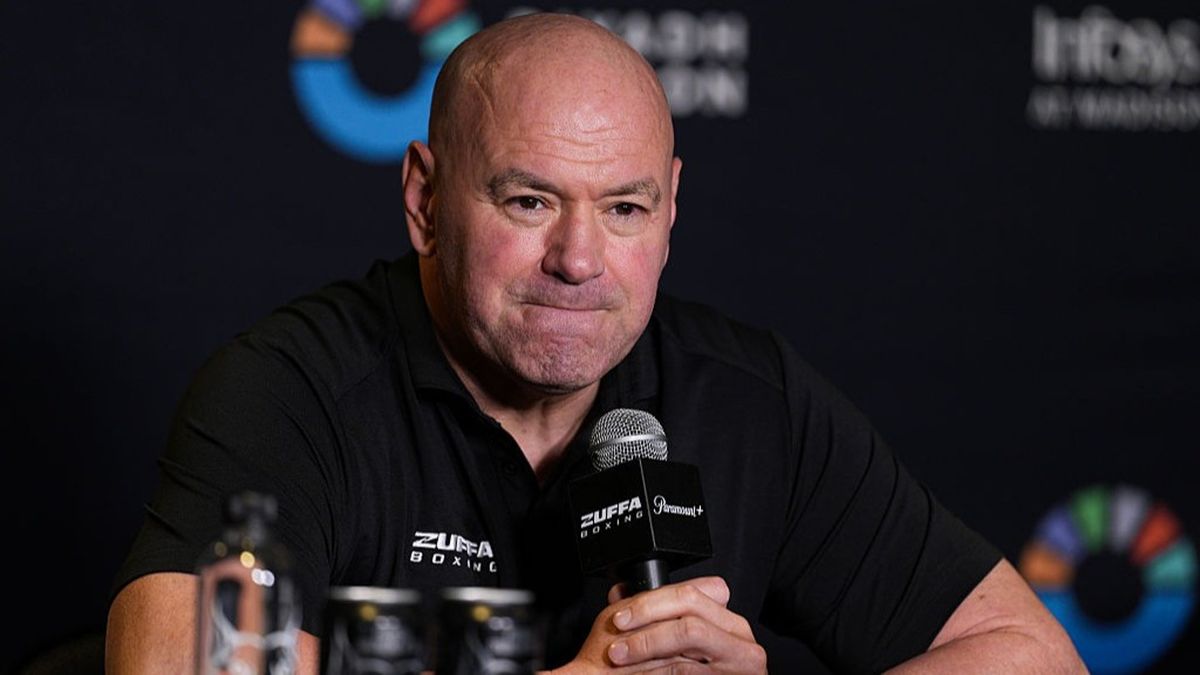
The dispute has transcended mere logistics, evolving into a personal conflict between the industry's heavyweights. Dana White, the UFC president and Zuffa Boxing co-founder, has entered the fray with a blunt assessment of the current promotional landscape. White, who claims to have been involved in the venue and television deals via TKO, has dismissed the tug-of-war as a symptom of failing leadership.
At the end of the day, here's the truth, you're going to go where the money is,
White told Sky Sports, signaling a clear preference for the American-centric model. He further escalated the tension by targeting the character of rival promoters, describing them as some of the weakest people
he has encountered and suggesting that promoters' egos are actually more important than the fights themselves.
Hearn, conversely, is positioning himself as the protector of the fighter’s interests and the fans' expectations. He has defended Joshua's recent restraint in refusing to accept Fury's in-ring challenges, explaining that Joshua refuses to publicly announce a fight that has not been formally agreed upon to avoid the messiness of false starts. AJ's thinking, 'This fight has been close so many times and people have got disappointed so many times. If I get in there, it's not gonna be, "These two could meet." They're gonna go: "The fight's on." And then we're all gonna go, 'Hang on a minute, it's not,' and then it starts getting messy,'
Hearn explained.
The Resilience of Anthony Joshua
Beneath the promotional warfare lies the deeply personal journey of Anthony Joshua. The former champion's path back to the ring has been anything but linear. Following a victory over Jake Paul in Miami, Joshua was involved in a devastating car crash in Nigeria that claimed the lives of two of his friends. The accident cast a shadow over his professional future, leaving many to wonder if he would return to the sport at all.
While Hearn has been careful to remind the public that Joshua is still navigating the trauma of that loss, the boxer has shown significant grit. He has returned to the gym and even spent time training with unified heavyweight champion Oleksandr Usyk in Ukraine. His recent performance against Kristian Prenga—where he hit the canvas twice before securing a second-round knockout—demonstrates both his vulnerability and his capacity for recovery. However, it also fuels the debate over his readiness. While some, like Hearn, suggest Joshua might need the rhythm of 12-round bouts to shake off 'rust,' others point to his recent activity as evidence of a man ready for the biggest test of his career.
| Factor | The UK Case (Hearn/Joshua) | The US Case (White/Saudi/Netflix) |
|---|---|---|
| Primary Venue | Wembley Stadium | Madison Square Garden |
| Core Motivation | Fan responsibility and tradition | Commercial maximization and global reach |
| Projected Timeline | Potential delay to 2027 for warm-ups | November 2026 |
| Key Driver | British boxing community | Saudi/Netflix investment |
Evidence-Led Forecast: The Venue-Timing Paradox
The trajectory of this fight hinges on a single variable: the location. The evidence suggests a high-probability tactical trade-off between timing and territory.
The Likely Pattern: If the fight is secured for the United Kingdom, expect a logistical delay. Both Joshua and Fury may require additional warm-up bouts to ensure peak performance—Joshua specifically needing to recover from the physical and mental toll of his recent outings and the trauma of his accident. This could push the 'Battle of Britain' into 2027.
The Decisive Matchup: The conflict is not between Joshua and Fury, but between the Matchroom/UK faction and the TKO/Saudi faction. The winner of this negotiation determines the fight's rhythm.
The Counter-Case: Should the fight proceed in the US in November 2026 as White suggests, it will likely be a high-intensity, commercially driven spectacle, but it risks alienating the core British fanbase and potentially rushing Joshua's return before he is fully 'signed off' physically and mentally.
Sources
These sources formed the evidence pack for this article. Links open the original publisher; inclusion does not imply endorsement.
- independent.co.uk original
- sportbible.com original
- sportshard.com original
- mmafighting.com original