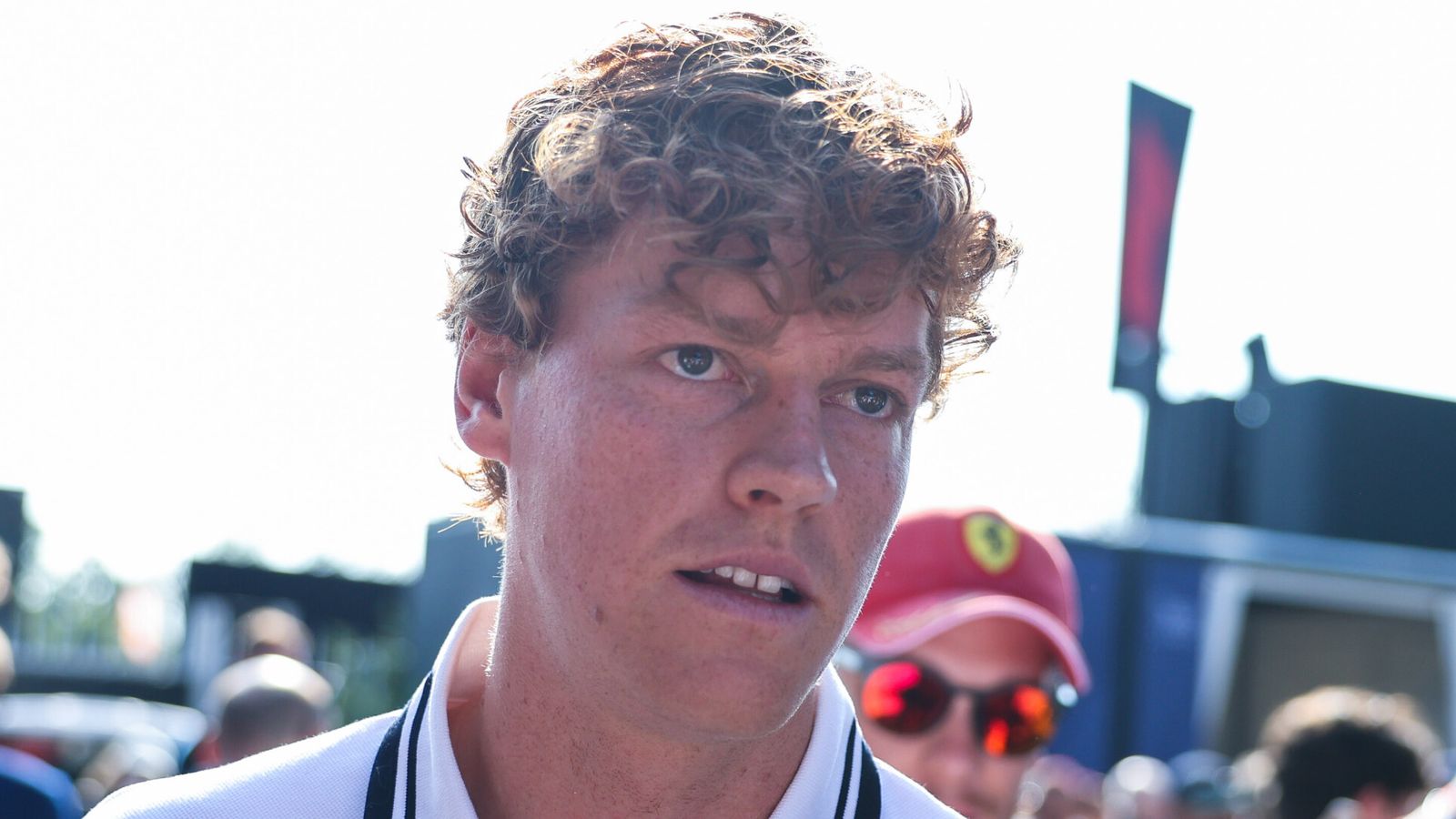
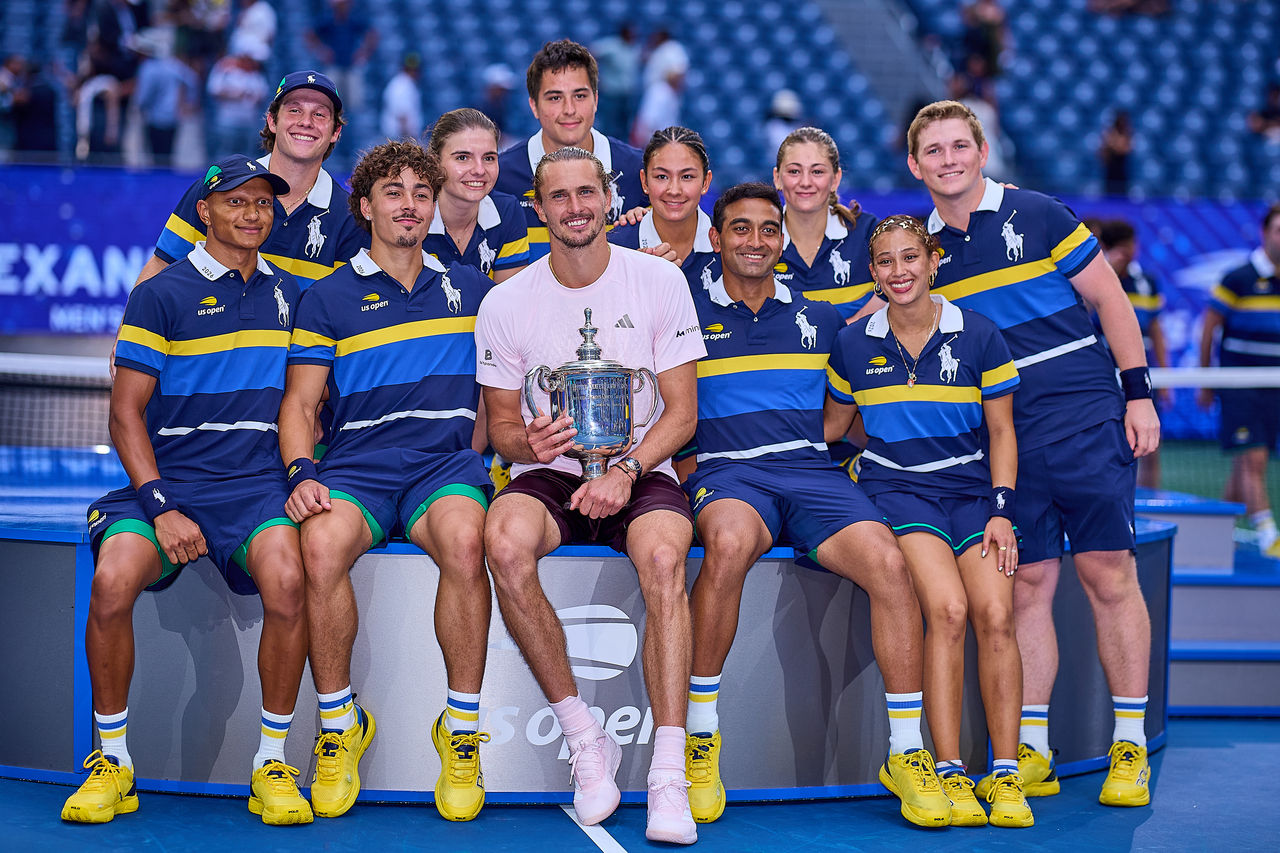
For the vast majority of the tennis world, the name Arthur Fery carried little weight before the 2026 grass season commenced. Entering Wimbledon as a wildcard ranked 114th in the world, the 23-year-old was a player with only two Tour-level victories to his name. By the time the semi-finals arrived, he had become a phenomenon, a name chanted by the capacity crowds with a rhythmic, burgeoning fervor: "Here comes the Fery."
His run was not merely a streak of luck; it was a collision of tactical maturity, psychological resilience, and a physical refusal to buckle under the weight of the London heat. While the narrative of the tournament has been dominated by the giants of the game, Fery provided something far more compelling: the story of a player who refused to be defined by his stature or his circumstances.
Blood, Grit, and Five-Set Epics
If there is a single image that will define Fery’s campaign, it is the sight of a young man battling not just his opponents, but his own physiology. In a grueling first-round encounter against Belgium's Zizou Bergs, the match stretched beyond four-and-a-half hours in scorching conditions. During this five-set thriller, Fery endured three separate nosebleeds, forcing medical interruptions that could have easily shattered a lesser player's concentration.

"I've had nosebleeds since I was young," Fery explained following the match, attributing the recurrence to the hot and dry weather. "When it's hot and dry, it tends to happen more often."
Rather than letting the disruptions derail him, Fery used them as mere pauses in a relentless march forward. He followed the Bergs marathon with another five-set epic against former world No. 3 Grigor Dimitrov on Centre Court, a victory that secured his place in the quarter-finals and made him the first wildcard in over a decade to reach that stage. He then dismantled Italian ninth seed Flavio Cobolli in straight sets, proving that his stamina was as much a weapon as his baseline play.
The Architecture of Composure
To understand how a player manages such intensity without a visible loss of temperament, one must look at the foundations laid long before he stepped onto the grass of SW19. Fery’s rise has been described by many as steady and devoid of hype, a stark contrast to the explosive nature of his Wimbledon performance.
His upbringing was a blend of high-achieving drive and carefully managed autonomy. The son of hedge fund manager Loic Fery and former tennis player Olivia, Arthur was raised in an environment where excellence was expected but pressure was curated. His longtime coach, Alison Taylor, who guided him from age four to 12, noted that his calm was a lifelong trait. "He’s had that [calm] all his life," Taylor observed, noting that his parents were careful not to push him, allowing his own desire to play to drive his career.
This psychological fortitude appears to have been cultivated through unconventional means. Fery admitted to a brief addiction to cliff-diving during his youth—a pursuit his parents eventually talked him out of to protect his professional prospects. However, the mental dividends remained. "I don't feel like I'm a massive risk taker, I like control in what I'm doing," Fery said, "But I did use (diving) to work on trying to overcome fear."
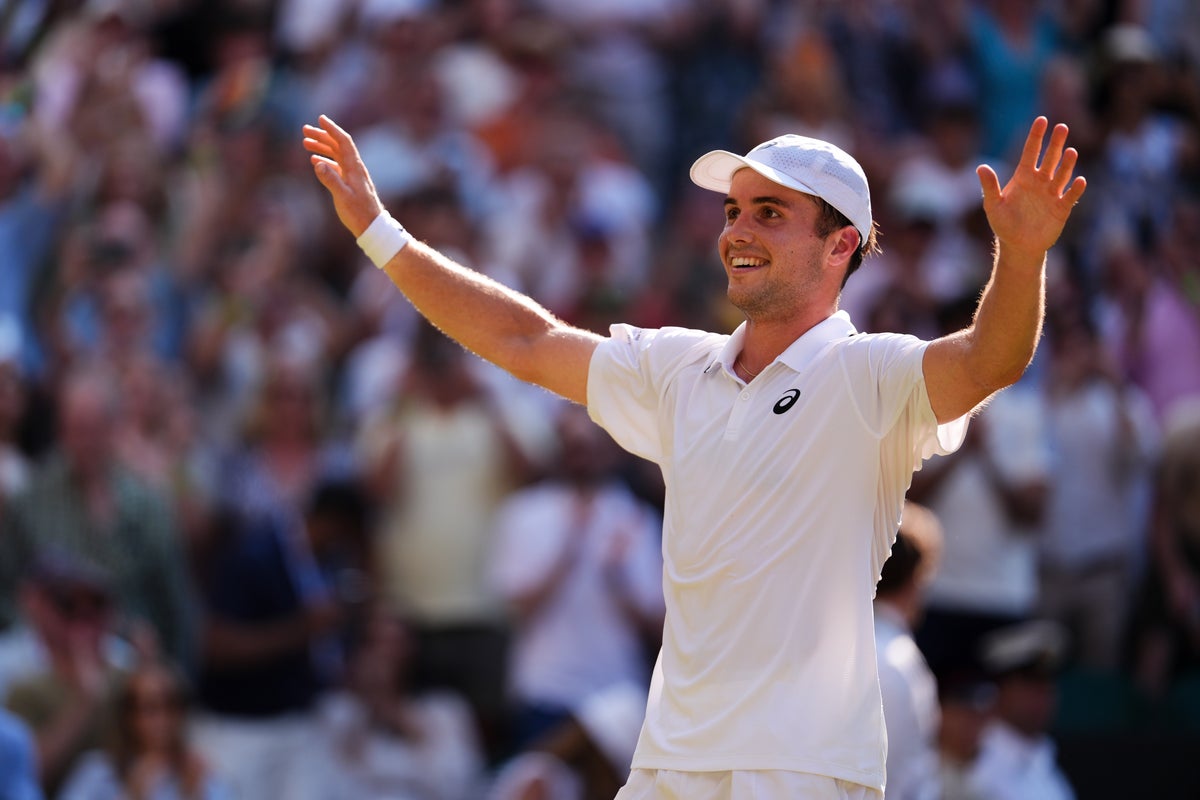
This ability to manage fear and maintain poise was further refined during his time at Stanford University under the guidance of Paul Goldstein. Goldstein described Fery as an "independent thinker" who took breathing techniques to an advanced level, noting that he played with a command that suggested a veteran rather than a collegiate student.
The Tactical Edge of a 'Small Giant'
Standing at just 5ft 9in, Fery lacks the overwhelming service power typically associated with modern top-tier tennis. Instead, he has turned his perceived disadvantage into a tactical masterclass. To succeed at this height, a player must be exceptional in three specific areas: movement, tactics, and hand skills.
Fery has ticked every one of those boxes. His game is built on what Taylor describes as a "smart, all-court game," likely inherited from his mother, Olivia, who recently won the women's All England Club championship for her age group. By maximizing his footwork—which Taylor claimed was "the best... without even working on it"—and utilizing superior tactical nous, he has been able to outmaneuver opponents who possess much greater reach.
- Movement: Exceptional lateral agility to compensate for shorter wingspan.
- Tactics: An intelligent, all-court approach designed to disrupt rhythm.
- Hands: High-level touch and precision at the net.
Even established professionals have taken note of the threat he poses. Taylor Fritz, who practiced with Fery for a week prior to the 2024 World Tour Finals, admitted the Brit's level was startlingly high: "He was beating me, like, every day. He was cooking me pretty consistently for the week."
The Final Barrier
The fairytale reached its inevitable, yet still profound, conclusion in the semi-finals. Fery faced Alexander Zverev, the reigning French Open champion, in a match that tested the limits of the young Brit's momentum. Despite the momentum of his run, the gulf in experience and power was evident.
Zverev secured the victory in straight sets, 7:6, 6:2, 6:4, ending Fery's bid for the title. While the loss halted his progress, the damage to the status quo had already been done. Fery’s leap from a world ranking of 114 to at least 63rd represents one of the most significant individual ascents in recent memory.
Arthur Fery did not just participate in Wimbledon 2026; he redefined what a wildcard can achieve. He arrived as an outsider and left as a blueprint for the modern, tactically-driven player who refuses to be intimidated by the giants of the game.
Sources
These sources formed the evidence pack for this article. Links open the original publisher; inclusion does not imply endorsement.
- dailymail.com original
- mirror.co.uk original
- independent.co.uk original
- tenisportal.cz original