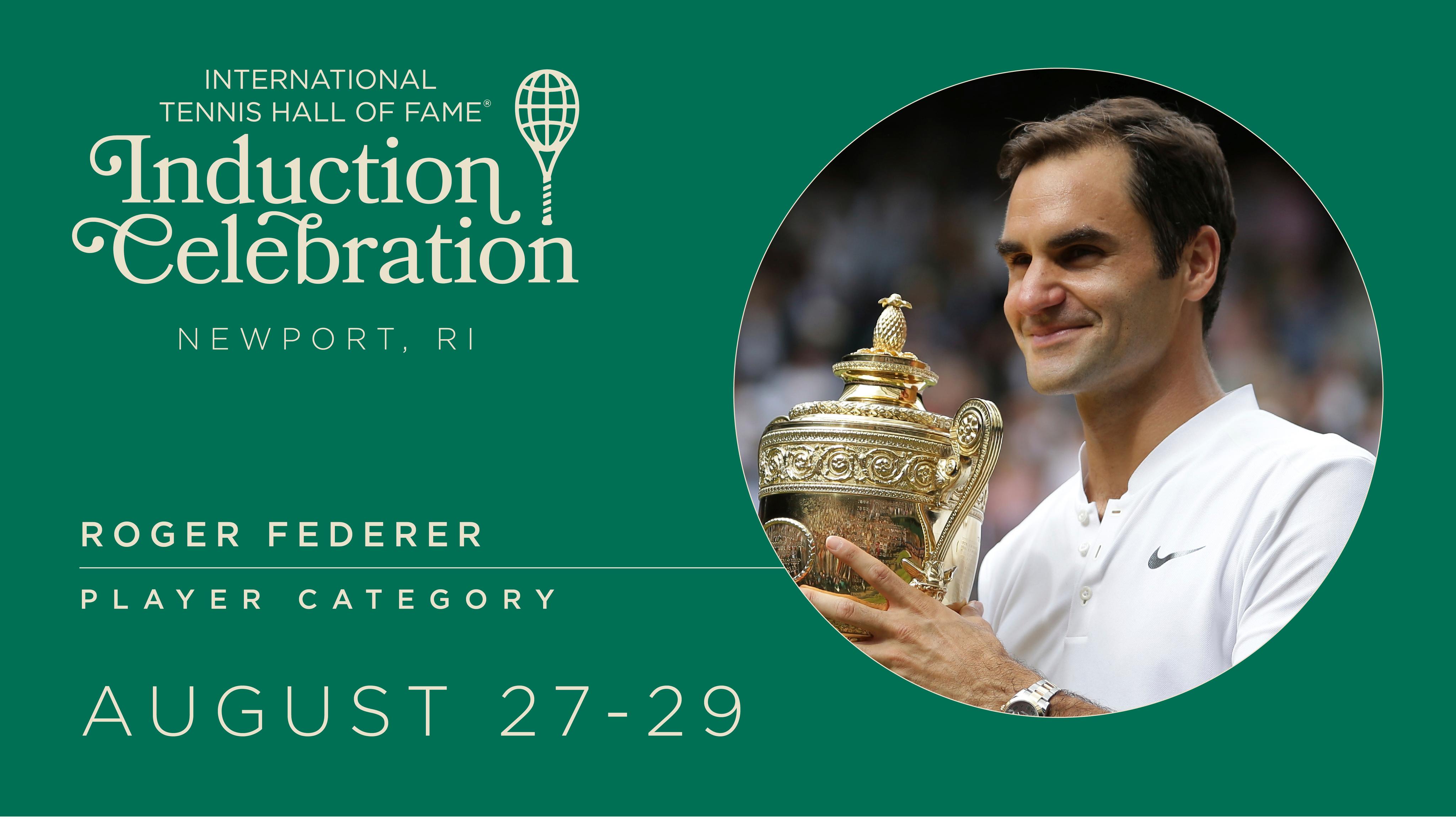
There was never a question of if, only a question of when. For a player whose career was defined by a level of consistency that his peers described as "not quite human," the induction of Roger Federer into the International Tennis Hall of Fame feels less like a surprise and more like a formal ratification of a truth long established.
As the Class of 2026 gathers in Newport, Rhode Island, for the induction ceremony held between August 27 and 29, 2026, the player category finds its definitive centerpiece. Federer, the sole candidate in the player category to garner sufficient support for this year's class, has transitioned from the active arena to the permanent architecture of the sport's history.
The Statistical Impossibility
To understand why Federer’s induction was an inevitability, one must look past the grace of his movement and into the cold, hard mechanics of his dominance. He was the first man in history to reach the 20 Grand Slam singles title milestone, a feat that served as the cornerstone of his legacy. His path to the "Ultimate Honor" was paved with a variety of legendary achievements:
- The Grand Slam Sweep: One of only eight men to achieve a career Grand Slam, with a trophy cabinet including eight Wimbledon titles, six Australian Opens, five US Opens, and one French Open.
- Ranking Dominance: A record-breaking 237 consecutive weeks at world No. 1, and 310 total weeks atop the ATP rankings.
- The Win Column: 103 tournament victories and 1,251 singles match wins—totals that, in the Open era, only Jimmy Connors has surpassed.
- The Peak: A period between 2005 and 2007 where he reached 10 consecutive Grand Slam finals, winning eight of them.
Even his rivals, who pushed him to the brink of greatness, could only marvel at the sheer density of his success. Novak Djokovic once noted that Federer's streaks of semi-finals and quarter-finals at majors were "results that didn't seem human." While his Slam tally was eventually eclipsed by Nadal (22) and Djokovic (24), Federer’s ability to dominate the conversation for a quarter-century remains unparalleled.
The Blueprint of a Billion-Dollar Brand
While the Hall of Fame honors his court presence, Federer’s impact extends far beyond the baseline. He has achieved something few athletes ever do: he translated sporting excellence into a ten-figure financial empire. With a net worth estimated at $1.1 billion as of March 2026, Federer is a case study in the modern athlete-mogul.
His commercial acumen was evident even at his peak, when he was earning upwards of $100 million annually off the court. His portfolio is a masterclass in strategic partnership. While long-term associations with Rolex and Mercedes-Benz provided stability, his most transformative moves were entrepreneurial. His ten-year, $300 million deal with Uniqlo and his estimated 3% stake in the Swiss athletic apparel company On—which went public in 2021—showcase a player who was investing in the future of the industry while still playing in it.
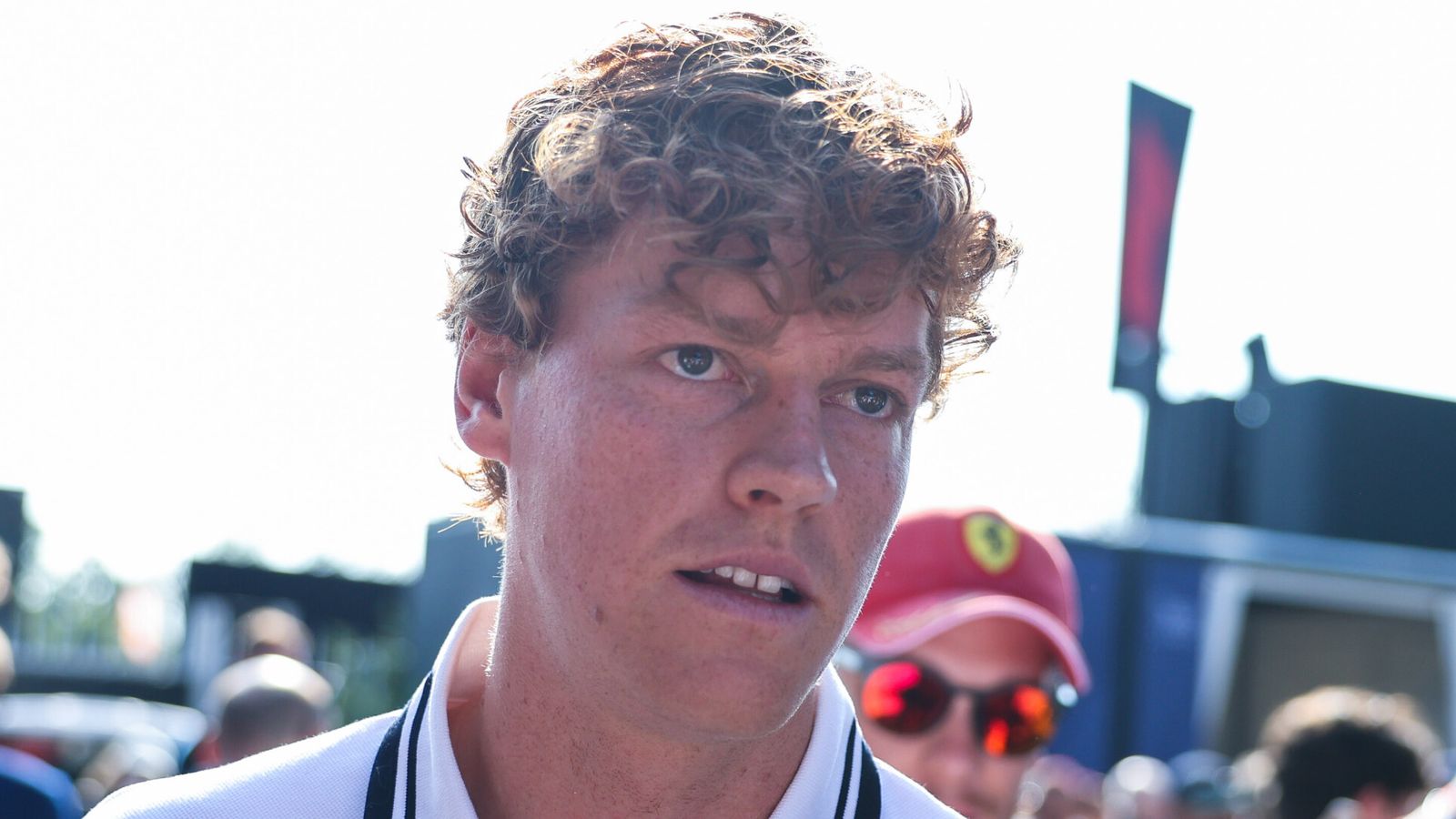
This commercial weight is a vital part of his Hall of Fame identity. He didn't just play the game; he expanded its economic footprint, creating a brand so potent that even as he moved into exhibition play and grassroots promotion, his "RF" logo maintained a level of branding power that current stars like Jannik Sinner are still striving to match.
The Legacy of Elegance
If the statistics represent his power and the finances represent his reach, it is his "elegance" that defines his soul. This sentiment was echoed by current world No. 1 Carlos Alcaraz, who noted that Federer took the game to another level through his treatment of people and his sheer grace on court.

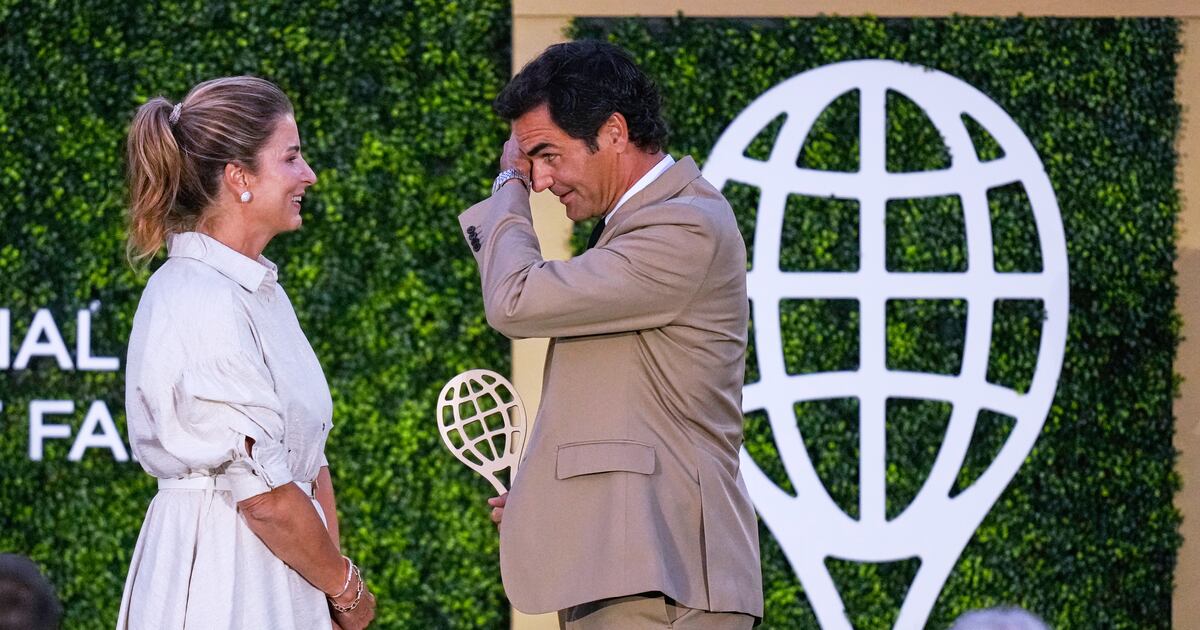
Federer’s journey came full circle when he received his induction news at Swiss Tennis, the very place where his career began. Surrounded by more than 20 fellow Hall of Famers, including his childhood inspirations Stefan Edberg and Boris Becker, the moment bridged the gap between the legends of the past and the next generation of champions.
"To be recognized in this way by the sport and by my peers is deeply humbling," Federer stated. "I’ve always valued the history of tennis and the example set by those who came before me."
This respect for heritage was also evident in his philanthropic efforts. Through his namesake foundation, which has supported over 3 million children in Switzerland and Southern Africa since 2003, Federer ensured his legacy would be measured in human impact as much as in silverware.
The Class of 2026: A Dual Recognition
The Hall of Fame is not merely a repository for players, but for those who shape the narrative of the sport. Alongside Federer, the Class of 2026 welcomes Mary Carillo into the Contributor Category. Carillo, a trailblazer who became the first woman to regularly commentate on tennis broadcasts, has spent her career opening doors for women in sports media. With six Emmy Awards and three Peabody Awards to her name, her induction recognizes the essential role of storytelling in maintaining the sport's global relevance.
As the 2026 induction celebrations continue in Newport, the tennis world isn't just looking back at what Federer won; it is looking at the standard he set—a standard of excellence that is as much about how one plays as it is about how one lives.
Sources
These sources formed the evidence pack for this article. Links open the original publisher; inclusion does not imply endorsement.
- forbes.com original
- ctvnews.ca original
- independent.co.uk original
- tennisfame.com original