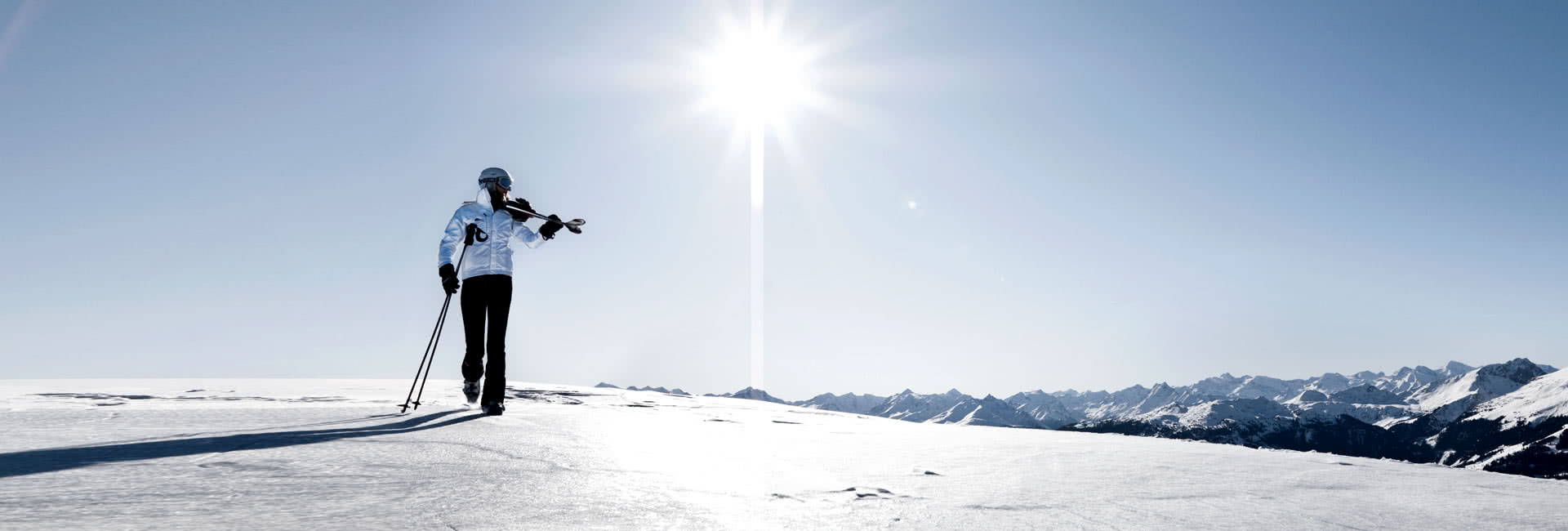
The traditional Alpine business model, once singularly reliant on the quality of the descent and the availability of snow, is undergoing a tactical recalibration. As resorts look to optimize land use and extend seasonal engagement, the deployment of ice-based infrastructure—specifically dedicated rinks and club-level facilities—is becoming a critical differentiator in the winter sports landscape.
This is not merely a matter of providing leisure; it is a strategic shift toward multi-disciplinary sports coordination. By integrating ice skating, curling, and organized hockey into the resort ecosystem, these regions are diversifying their demographic reach, moving beyond the specialist skier to capture the broader ice-sports market.
The Infrastructure Pivot: Managed Assets vs. Natural Terrain
The deployment of ice facilities across the Alps follows two distinct logistical patterns: the high-control, managed facility and the seasonal, natural installation. The distinction between these two is vital for understanding how different resorts target their respective audiences.
In Val Cenis, the approach is highly managed. The resort utilizes two distinct nodes for ice activity. In Lanslebourg, the infrastructure is robust, featuring a 300m² track designed for speed and sensation, with the tactical advantage of providing hockey equipment directly on-site. This lowers the barrier to entry for structured play. Conversely, Lanslevillard offers a more educational model, providing equipment for those learning the ropes, though this facility is subject to technical and climatic constraints and remains closed on Saturdays.
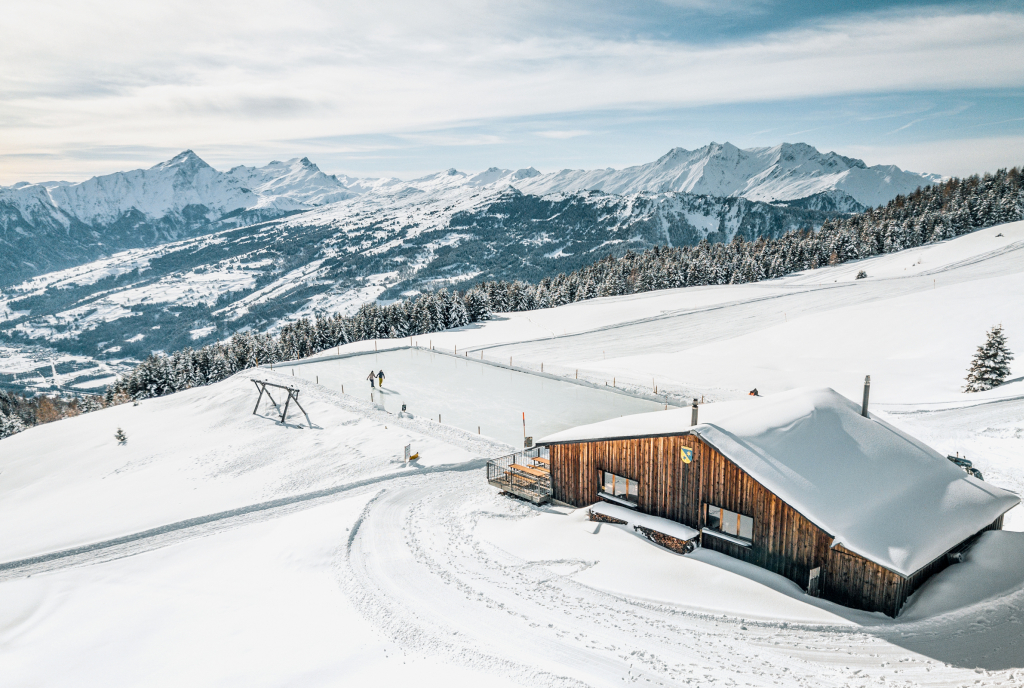
In contrast, the Graubünden region of Switzerland leverages the natural topography to offer a different kind of engagement. In Bever, the natural ice rink provides a low-barrier, free-of-charge entry point from mid-December to mid-February, catering to those seeking a more organic mountain experience. This differs fundamentally from the engineered precision of a 300m² managed track, prioritizing accessibility and landscape integration over high-performance technical specs.
| Location | Facility Type | Primary Utility | Key Detail |
|---|---|---|---|
| Lanslebourg (Val Cenis) | Managed Rink | Speed & Hockey | 300m² track; equipment provided |
| Lanslevillard (Val Cenis) | Managed Rink | Educational Skating | Climatic/technical subject to closure |
| Bergün (Graubünden) | Training Hub | Club-Level Sport | Home to hockey and curling clubs |
| Kitzbuhel | Sportpark | Multi-Sport Active | Skating, curling, and indoor climbing |
| Bever (Graubünden) | Natural Rink | Seasonal Leisure | Free access; mid-Dec to mid-Feb |
The Club Dimension: Specialized Training and Niche Sports
Beyond the casual tourist, there is a growing emphasis on the deployment of space for organized, club-level competition. This moves the resort from a vacation destination to a legitimate sports training ground. Bergün provides a clear case study in this specialization. The Schulhausplatz serves as a centralized hub where ice hockey and curling clubs conduct formal training. This level of coordination transforms a seasonal venue into a specialized sporting asset.
Similarly, Kitzbuhel has moved beyond the legendary high-stakes environment of the Streif downhill run to offer a diverse, multi-activity ecosystem. The Sportpark Kitzbuhel represents a tactical integration of ice skating, curling, and indoor climbing. This allows the resort to maintain active engagement even when the slopes are compromised by weather or when visitors seek a reprieve from high-altitude descent.
Tactical Deployment of Niche Disciplines
The expansion of ice infrastructure also facilitates the rise of niche winter disciplines. In the Val d'Ambin Nordic area, the infrastructure supports a variety of specialized movements, from cross-country trails to the 60m Himalayan footbridge that provides access to the spectacular Glacenost icefall. Even the introduction of activities like the Yooner in Lanslevillard suggests a trend toward lightweight, easily maneuverable snow sports that complement the more traditional ice and ski offerings.
The ability to offer these varied modes of movement—whether it is the technical requirements of a curling lane or the high-speed requirements of a 300m² hockey track—allows these regions to command a more sophisticated share of the winter sports market. They are no longer just selling a view; they are selling a specialized, coordinated athletic experience.
Evidence-led Forecast: The Infrastructure Trend
Likely Tactical Pattern: We should expect a continued shift toward "sports parks" rather than isolated amenities. Resorts will likely integrate ice rinks more closely with climbing, wellness, and indoor training facilities to create a weather-proof, multi-disciplinary sports hub.
Decisive Matchup: The competition between managed, high-tech indoor/outdoor rinks (like Lanslebourg) and the traditional natural ice trails (like Bever) will dictate how resorts segment their markets between professionalized sports training and casual mountain tourism.
Strongest Counter-case: A heavy reliance on managed ice facilities requires significant technical and climatic oversight. A prolonged period of unseasonable warmth could render these capital-intensive assets underutilized compared to more flexible, mountain-integrated activities like hiking or summer mountain biking.
What would change the read: The emergence of year-round, fully enclosed indoor ice complexes in high-altitude villages would represent a total departure from the current seasonal, climate-dependent model.
Sources
These sources formed the evidence pack for this article. Links open the original publisher; inclusion does not imply endorsement.
- sno.co.uk original
- peakretreats.co.uk original
- wilderkaiser.info original
- graubuenden.ch original