Related coverage
View the Instagram post
The 69-Second Ghost of UFC 329
The lights of the T-Mobile Arena in Las Vegas are unforgiving, but for Conor McGregor, they were briefly, devastatingly, too much. On July 11, 2026, the hype machine that has powered the UFC’s most lucrative eras finally stalled. After a five-year hiatus, McGregor stepped into the Octagon at UFC 329 to face Max Holloway in a welterweight rematch—a fight that promised a revival but delivered only a cautionary tale.
The comeback lasted exactly 69 seconds. Attempting a signature flying kick, McGregor’s knee buckled, ending the bout and forcing him into surgery by August. For a man whose brand is built on precision and impact, the injury was more than a physical setback; it was a structural revelation. The question now isn't just when he returns, but where he belongs.
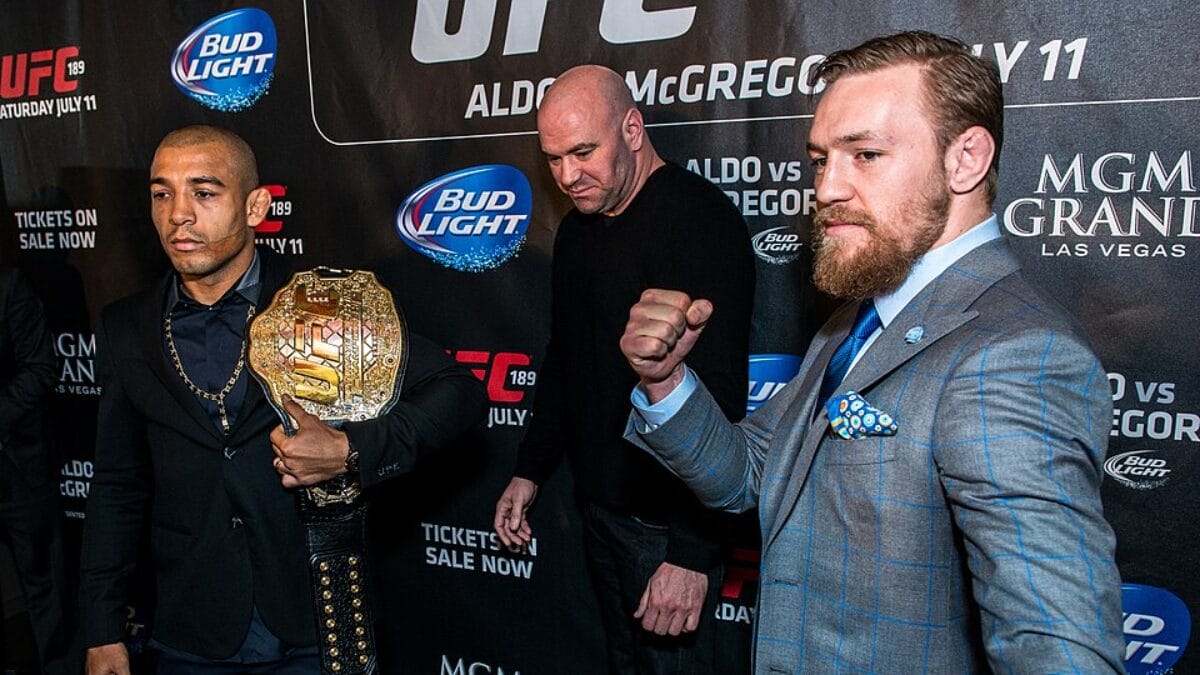
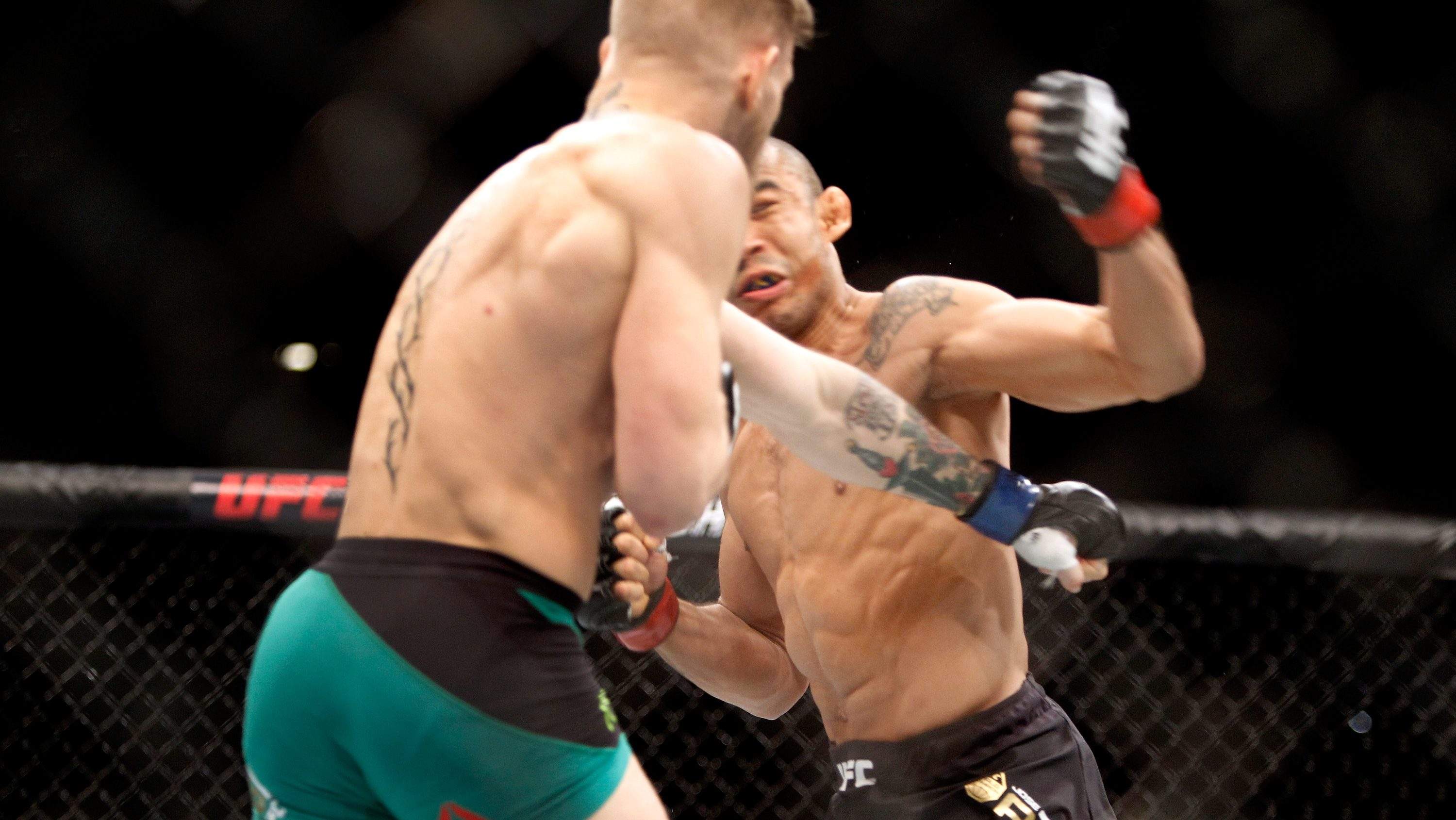
While McGregor’s camp looks toward the stability of the 170-pound division, a voice from the deepest part of his history is calling for a different direction. José Aldo, the man McGregor famously knocked out in 13 seconds to claim the featherweight crown in 2015, is suggesting that McGregor’s path to relevance requires a descent, not an ascent.
The Aldo Calculus: Frame, Function, and Food
Aldo’s perspective is not that of a casual observer. Having shared the Octagon with both McGregor and Holloway, the Brazilian veteran views the landscape through the lens of competitive reality rather than promotional spectacle. His "golden advice" is blunt: McGregor needs to return to the lightweight division (155 pounds).
"I think first he needs to go through some dietary re-education to see if he can get back down and be lighter again," Aldo told MMA Fighting. It is a sophisticated critique of a fighter's changing biology. Aldo noted that McGregor’s frame has grown significantly, gaining substantial weight and muscle mass during his long absence. The implication is clear: the McGregor who dominated at 155 in 2016 may no longer exist in the same metabolic state.

However, Aldo’s reasoning isn't merely about weight; it's about strategic impact. He argues that the lightweight division is currently "a bit of a mess," noting that Ilia Topuria’s move up resulted in a loss to Justin Gaethje. In Aldo's view, a McGregor victory at 155 against a "big name" wouldn't just earn him a title shot—it would act as a kinetic force, revitalizing a stalled division.
The Conflict of Comfort: Coach vs. Legend
The tension between Aldo’s assessment and the McGregor camp's strategy highlights the classic MMA dilemma: the trade-off between physical ease and divisional relevance.
- The Coach's Stance: John Kavanagh, McGregor’s longtime coach, maintains that 170 pounds is a "comfortable cut." From a performance standpoint, avoiding the grueling depletion of a massive weight cut is the logical way to protect a surgically repaired knee and aging body.
- The Legend's Stance: Aldo suggests that the 155-pound frame is McGregor's natural home for success. He believes the technical knockout power hasn't evaporated, but the strategic advantage lies in the lighter weight class.
This disagreement underscores the uncertainty surrounding McGregor's comeback. The betting markets have already signaled their skepticism, labeling McGregor as a significant underdog—his most precarious position since his historic clashes with Khabib Nurmagomedov. The skepticism stems from a simple truth: nobody truly knows where McGregor's conditioning, timing, or confidence resides after half a decade away.
A Division in Need of a Spark
If Aldo is correct, the lightweight division is a vacuum waiting to be filled. The movement of top talent has left the 155-pound bracket in a state of flux. For the UFC, a McGregor resurgence at lightweight offers a dual benefit: it leverages his massive pay-per-view drawing power—accounting for four of the ten largest in promotion history—and it provides a clear, high-stakes narrative for a division that has lacked a definitive anchor.
Yet, the road back is paved with biological hurdles. As Aldo pointed out, the McGregor who fought at his peak in 2016 is a different physiological entity than the man who underwent knee surgery in August 2026. The success of a 2027 return will likely be decided in the kitchen and the training camp long before he ever steps under the lights.
Evidence-Led Forecast: The Weight of the Cut
Tactical Pattern: If McGregor attempts the move to 155, expect a struggle with early-round cardio. The "dietary re-education" Aldo mentions suggests that the primary tactical challenge will be managing energy levels during the weight descent and the subsequent rehydration period.
Decisive Matchup: The success of this pivot hinges on whether McGregor can retain his legendary first-round power while operating at a lower body mass. A matchup against a high-volume, durable lightweight would be the ultimate litmus test for his depleted conditioning.
Strongest Counter-Case: Kavanagh’s preference for 170 pounds. If McGregor’s muscle mass is too integrated into his frame, the physiological stress of hitting 155 could increase the risk of soft-tissue injuries, potentially compounding the issues from his recent knee surgery.
The Pivot Point: A successful, non-violent weight cut during a 2027 training camp will be the only indicator that the lightweight move is viable. If he struggles to hit the mark, the 170-pound path becomes his only realistic option.
Sources
These sources formed the evidence pack for this article. Links open the original publisher; inclusion does not imply endorsement.
- newsbreak.com original
- nsctotal.com.br original
- agfight.com original
- en.superlutas.com.br original