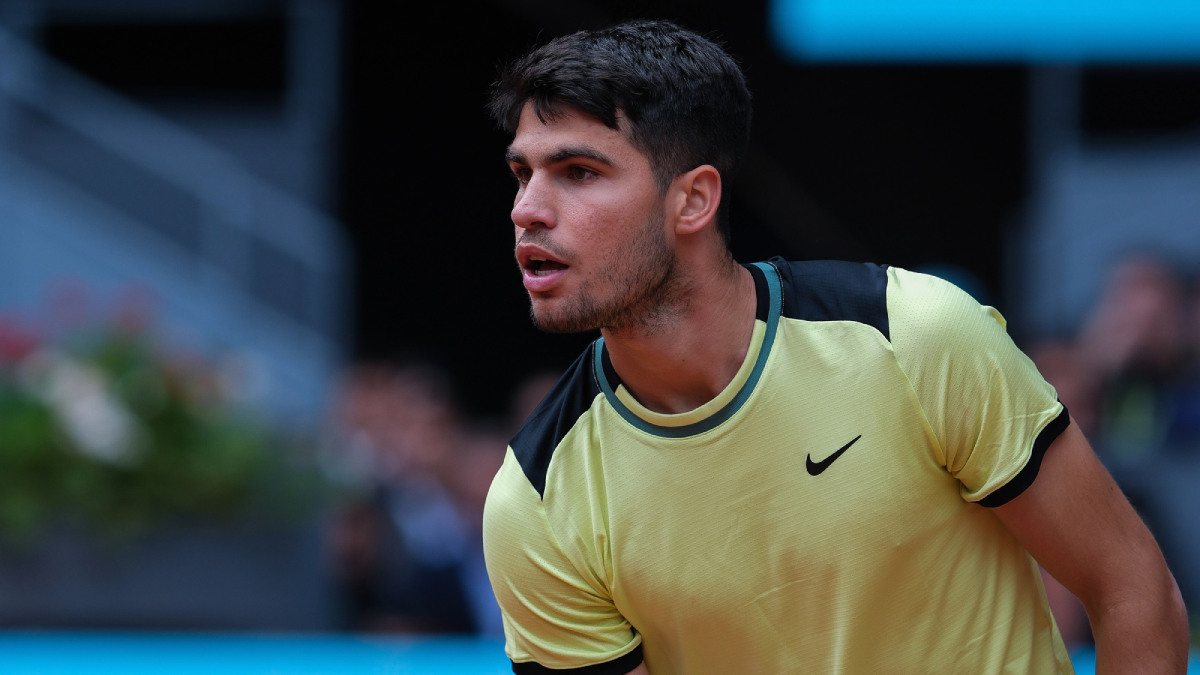
When examining the landscape of youth athletic development—whether observing young footballers navigating physical mismatches against squads like FC Saloniki Essen or evaluating reading competencies through structured tools like the Compact Buchmonster series—the underlying tension remains identical: how systems prepare rising participants for escalating demands. In the context of racket sports and foundational athletic progression, the phrase Tennis-Nachwuchs zeigt sein Können captures a critical developmental window where raw capability meets structured evaluation.
Analytically speaking, observing junior talent requires looking past immediate scorelines or isolated tactical flashes. Just as third-grade reading frameworks utilize a double-page principle to keep learners focused without disruptive page-turning, youth athletic circuits demand stable environments that isolate core mechanics. Trainers and educators repeatedly emphasize that early-stage progression relies heavily on age-appropriate benchmarks rather than accelerated pressure.
The Structural Realities of Youth Training Systems
Structured environments dictate whether young competitors successfully bridge the gap between recreational participation and elite execution. Within broader youth sports frameworks documented across European training initiatives, several distinct pillars emerge:
- Graduated Challenge: Introducing physical and tactical hurdles that scale directly with chronological age and cognitive maturity.
- Error Tolerance: Establishing psychological safety nets that allow developing athletes to take creative risks in high-pressure scenarios.
- Tactical Literacy: Transitioning players from instinctive movement to structured court or pitch awareness.
When young athletes step onto the court to showcase their abilities, the success of their execution is almost always a lagging indicator of institutional backing. Programs that fail to monitor psychological strain—such as the broader societal and environmental pressures documented by child psychologists regarding pandemics, economic anxiety, and domestic stressors—risk stunting athletic potential before it reaches senior thresholds.
Comparative Developmental Framework
To understand the variance in youth sports readiness, consider the structural parallels across disciplines:
| Domain | Primary Focus | Core Mechanism | Evaluation Metric |
|---|---|---|---|
| Junior Football | Squad cohesion & physical resilience | Position battles & tactical peer review | Match consistency |
| Primary Literacy | Comprehension & vocabulary retention | Double-page exercises & sticker rewards | Self-check task completion |
| Youth Tennis | Racket control & tactical execution | Baseline rallies & controlled pressure drills | Tournament performance stability |
As these pathways demonstrate, the journey from novice participation to recognized proficiency is paved by repetitive, measured exposure. Observers watching rising prospects should measure progress not by dominant victories over weaker opposition, but by how cleanly players solve tactical problems when physical advantages are neutralized.
Forward Implications for Emerging Competitors
The trajectory of any rising generation hinges on how well coaching infrastructure protects them from premature burnout. As modern training methodologies evolve to incorporate sharper analytical tools and psychological support systems, the definition of what constitutes elite junior readiness continues to shift. For analysts and observers alike, the key is maintaining patience: true proficiency reveals itself not in the first flash of brilliance, but in the quiet resilience shown when matches tighten and margins disappear.
Sources
These sources formed the evidence pack for this article. Links open the original publisher; inclusion does not imply endorsement.
- tv.seznam.cz original
- megaknihy.cz original
- tgacv.cz original
- knihobot.cz original