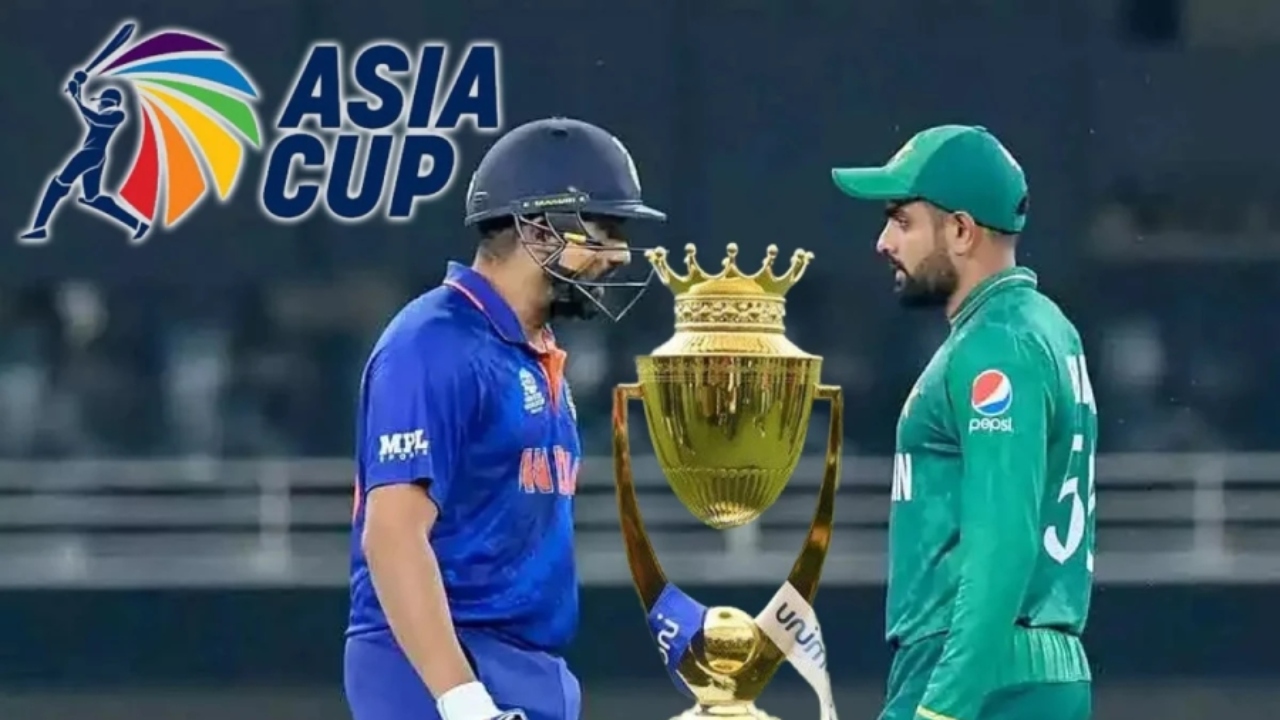
When international sports governance collides directly with regional geopolitical friction on the trophy podium, the line between athletic victory and political assertion dissolves. The September 28, 2025 Asia Cup final at the Dubai International Stadium provided an unprecedented case study: a champion team delivering disciplined tactical execution on the field, only to stage a complete, unified boycott of the official presentation ceremony off it.
India’s five-wicket victory over Pakistan culminated not in the traditional lifting of metallic silverware, but in an hour-long administrative deadlock. By refusing to receive the trophy from Asian Cricket Council (ACC) Chairman Mohsin Naqvi—who simultaneously serves as Pakistan’s Interior Minister and Chairman of the Pakistan Cricket Board (PCB)—the Indian squad established a precedent that has reframed how governance, neutrality, and presentation protocols are debated across international cricket.
Stalemate on the Dubai Podium
Before the podium standoff unfolded, the match itself was decided through structured bowling control and calculated run-chasing dynamics. Pakistan, batting first, struggled to build sustained partnership momentum against disciplined middle-overs deployment, ultimately being bowled out for 147 runs. Bowler Kuldeep Yadav served as the primary disruptor, controlling length and variation to return figures of 4 for 30.
In response, India’s run-chase required steady anchor play against an aggressive Pakistani bowling attack. Tilak Varma provided the decisive structural stability, constructing an unbeaten 69 off 53 balls. India calculated the chase down to the wire, reaching 148 for 5 with two balls remaining to seal a five-wicket win and secure their ninth Asia Cup title.
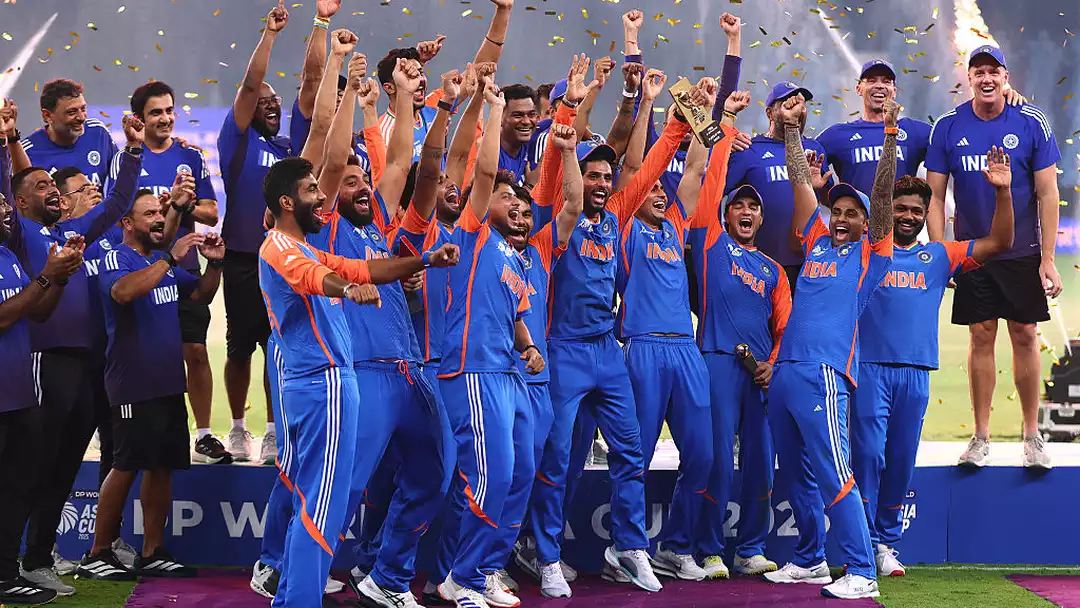
The athletic conclusion, however, was immediately overshadowed by what occurred around the presentation stage. With ACC Chairman Mohsin Naqvi presiding over the ceremony, the Indian team made a pre-planned collective decision to remain stationary near the dugout rather than mounting the dais. The sequence created an unprecedented hour of confusion inside the venue:
- Dais Deadlock: Indian players remained off the stage, declining to accept silverware or medals directly from Naqvi due to his active political cabinet role.
- Stadium Atmosphere: Thousands of supporters remaining in the stands expressed vocal disapproval toward the presentation platform with boos, alongside loud chants of “Bharat Mata Ki Jai.”
- Virtual Celebrations: Organizers eventually removed the trophy from the stage, leaving Indian captain Suryakumar Yadav to mimic Rohit Sharma’s iconic victory walk while holding an imaginary trophy alongside his teammates.
- Stage Exit: Naqvi subsequently exited the stadium carrying the unpresented trophy and medals, accompanied by ACC officials.
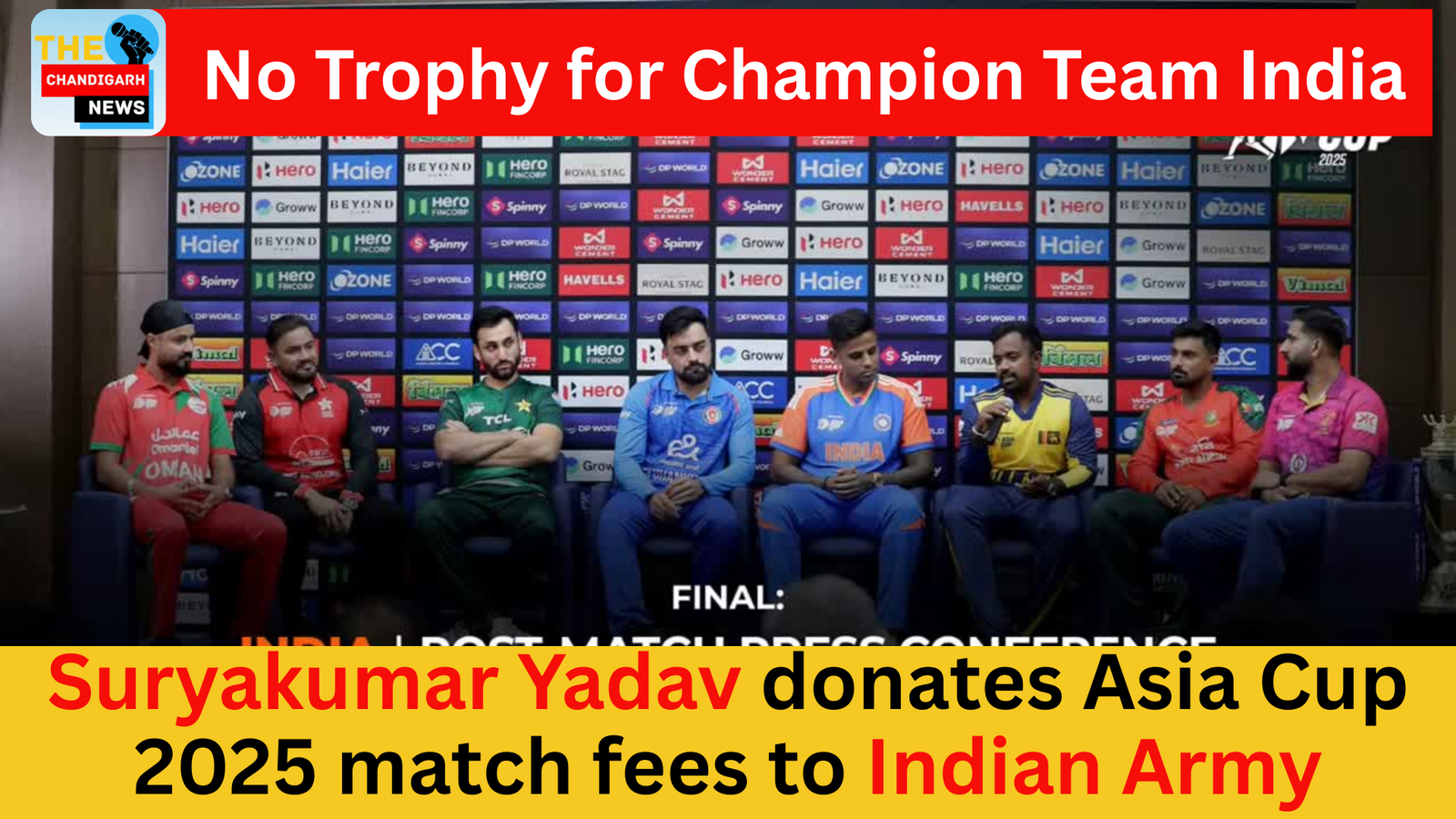
Addressing the press after the match, Suryakumar Yadav highlighted the disconnect between official presentation hardware and internal team achievement. I think this is one thing I’ve never seen since I started following cricket—that a champion team is denied a trophy, a hard-earned one,
Yadav stated. My real trophies are sitting in the dressing room: my teammates and support staff.
He further confirmed the squad's deliberate stance: We as a team decided not to take the trophy from Mohsin Naqvi. Nobody told us to do so. But I feel a team that wins the tournament deserves the trophy.
Administrative Strains and Geopolitical Friction
The refusal at the podium was the culmination of mounting frictions throughout the tournament calendar. On-field rituals had already reflected strict distance between the sides, including a total absence of post-match handshakes, skipped pre-toss promotional photo sessions, and heated on-field verbal exchanges, notably involving Suryakumar Yadav and Pakistani player Haris Rauf.
Beyond the boundary, administrative relations were heavily strained by public statements and geopolitical controversies. Friction escalated when Naqvi published social media posts referencing Cristiano Ronaldo’s plane crash celebration—content leveraged across Pakistani media platforms to make unverified military claims regarding jet downings during Operation Sindoor, an alleged retaliation following the Pahalgam terror attack that Indian authorities strongly refuted. Furthermore, Naqvi had actively petitioned the International Cricket Council (ICC) to penalize Suryakumar Yadav under a Level 4 disciplinary charge after the Indian captain publicly expressed support for the Indian Army and victims of the Pahalgam attack.
Clarifying the official stance of the Indian board, BCCI Secretary Devajit Saikia emphasized that the refusal targeted administrative overlap rather than tournament forfeit:
blockquote>Devajit Saikia, BCCI Secretary: “We have decided not to take the Asia Cup trophy from the ACC chairman, who happens to be one of the main leaders of Pakistan. That does not mean the trophy stays with him—it must be returned to India. We will raise a formal protest at the ICC conference in November.”
The BCCI confirmed plans to formally submit its grievance at the ICC conference in Dubai in November 2025. The submission centers on three core policy demands: preventing individuals holding active political cabinet offices from serving as ACC President, establishing mandatory neutral officials for international trophy handovers, and codifying protocols to prevent political overlap during official tournament ceremonies.
Digital Silverware and ICC Calendar Ripples
In the digital aftermath, Indian players turned the physical absence of the trophy into a lighthearted campaign across social media. Hardik Pandya, who missed the final due to injury, published an image featuring a digitally edited Asia Cup trophy, replicating his celebrated pose from India’s 2024 T20 World Cup triumph. Opening batter Shubman Gill followed by posting a photograph with partner Abhishek Sharma, positioning a virtual trophy graphic between them in the dressing room.
The Asia Cup presentation impasse also intersected with broader debate surrounding hosting rights for the 2025 ICC Champions Trophy in Pakistan. Reports had previously outlined PCB proposals for a hybrid tournament model, floating arrangements where India’s group-stage matches would be staged at Lahore’s Gaddafi Stadium or relocated to the UAE, with semi-finals hosted in Dubai and the final retained in Lahore.
The debate highlighted opposing perspectives on host nation autonomy and security parity. Proponents of host rights pointed to the 2023 ICC Cricket World Cup in India, where Pakistan participated under standard host security protocols without demanding neutral venues. Conversely, administrative friction around travel flexibility and government clearances underscores the ongoing struggle to isolate international cricket schedules from bilateral political stalemates.
Sources
These sources formed the evidence pack for this article. Links open the original publisher; inclusion does not imply endorsement.
- fastgovtnewsalert.com original
- theknowledgeera.com original
- lifeofindian.in original