Long before modern arenas standardized global sports, Spain’s regional identity took root through physical contests born from harvest fields, coastal docks, and village plazas. Across the Iberian peninsula and its island territories, these regional games represent far more than folklore. They are high-speed, technically demanding athletic disciplines built around physical leverage, spatial timing, and generational continuity.
Frontón Geometry and Speed in Basque Pelota
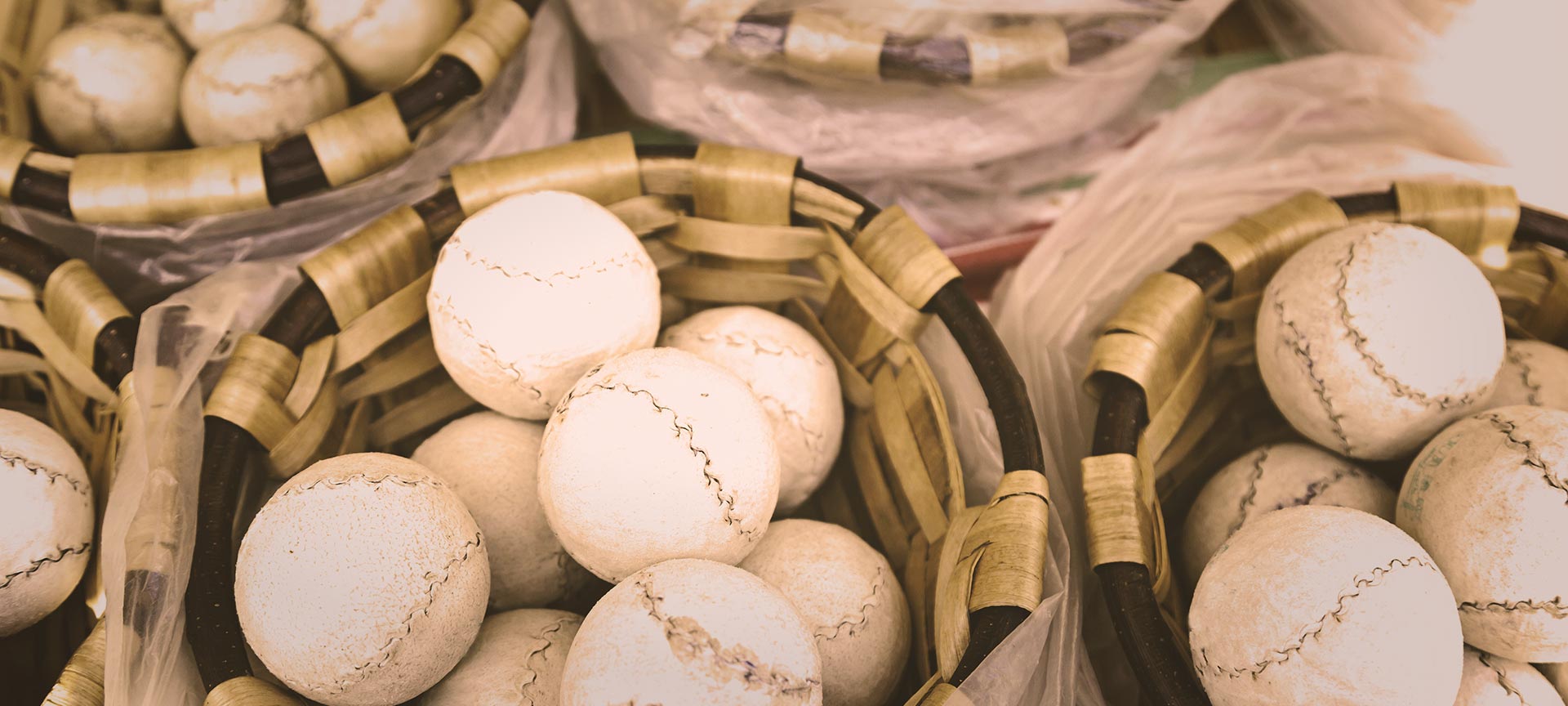
Tracing its origins back to the 13th century across the Basque Country and Navarre, pelota vasca revolves around striking a high-velocity ball against a front wall within an enclosed or open court known as a frontón. Players compete across several distinct modalities, including bare-handed play (mano), paddles (pala), racquets, and specialized baskets (cesta punta).
While bare-handed play remains the popular baseline, cesta punta delivers extreme athletic demands. Utilizing specialized baskets to catch and hurl the ball against the frontón wall, players process ball velocities reaching up to 300 km/h. This exceptional speed turns every rally into an exercise in rapid reaction time, positioning, and split-second calculation.
Ground Leverages: The Unbalancing Art of Lucha Canaria
In the Canary Islands, lucha canaria carries forward a grappling system rooted in the ancestral practices of the indigenous Guanche population. Competitions take place within a circular arena—often a sand pit called a terrero de lucha—where two wrestlers face off with a clear objective: force any part of the opponent's body to touch the ground.
Victory relies on tactical maneuvers known as mañas. Rather than relying purely on force, a wrestler executes specific grips, foot sweeps, and leverage points to unbalance their opponent while prioritizing skill and avoiding injury. The sand surface provides footing and cushions falls, making agility, momentum redirection, and balance the decisive factors inside the ring.
Agricultural Power and Target Precision: Aragon and Murcia
In the agricultural heartlands of Aragon, field labor directly birthed the barra aragonesa. Agricultural workers routinely ended strenuous days in the fields by gathering in town plazas to test their strength, hurling heavy iron plow pieces to measure who could throw the furthest distance. Today, that competitive impulse endures in historic towns such as Alquézar in Huesca, Uncastillo in Zaragoza, and Albarracín in Teruel.
In Murcia, raw distance gives way to target accuracy in caliche murciano. Frequently played across historic centers like Lorca, Caravaca de la Cruz, and Cartagena, the game centers on a small cylindrical piece—the caliche—set upright on the ground. Players throw metal pieces known as moneos aiming to knock down the target with precise trajectory and controlled weight distribution.
Comparative Overview of Key Spanish Traditional Disciplines
| Discipline | Primary Region | Playing Surface | Core Mechanics & Equipment |
|---|---|---|---|
| Pelota Vasca | Basque Country & Navarre | Walled Court (Frontón) | High-speed ball strikes using bare hands, paddles, or specialized baskets (cesta punta speeds up to 300 km/h). |
| Lucha Canaria | Canary Islands | Circular Sand Arena (Terrero) | Standing grappling using balance maneuvers (mañas) to force any body part to touch the ground. |
| Barra Aragonesa | Aragon | Plazas & Open Grounds | Distance throwing of heavy iron plow pieces, testing explosive upper-body power. |
| Caliche Murciano | Murcia | Open Ground | Target accuracy throwing metal pieces (moneos) to knock down a cylindrical target (caliche). |
| Remo en Traineras | Cantabrian & Atlantic Coasts | Open Coastal Waters | Synchronized endurance rowing in lightweight, narrow vessels adapted from historical fishing boats. |
Coastal Regattas and Rural Strength Contests
Along the northern Atlantic and Cantabrian coasts of the Basque Country, Cantabria, and Galicia, competitive rowing grew directly out of seafaring survival. Traineras—narrow, lightweight boats—were initially constructed to carry catches back to harbor as fast as possible to secure the best market prices. That commercial race naturally converted into organized regattas requiring high physical endurance, rhythm, and crew synchronization across rough waters.
Whether in coastal sea channels, enclosed frontóns, or sandy arenas, these regional disciplines remain vital expressions of local identity, combining historic physical utility with modern competitive rigor.
Sources
These sources formed the evidence pack for this article. Links open the original publisher; inclusion does not imply endorsement.
- es.casinoslam.com original
- estudyando.com original
- spain.info original
- wikiteka.com original