The spring was for learning; late July and August are built for competition. Following a 2025 campaign that culminated in an NFC North division title and a breathtaking 31-27 wild-card playoff comeback over the rival Green Bay Packers—highlighted by a stunning 25-point fourth-quarter eruption—the Chicago Bears return to Lake Forest with momentum. Yet head coach Ben Johnson has made it abundantly clear that complacency and entitlement remain the primary enemies of a roster navigating one of the NFL's most cutthroat divisions.
When veterans report on July 28 after rookies step on the field July 25, the organization's overarching goal will not be manufacturing social media highlights, but tightening the operational screws across all three phases. At the epicenter of that refinement is quarterback Caleb Williams.
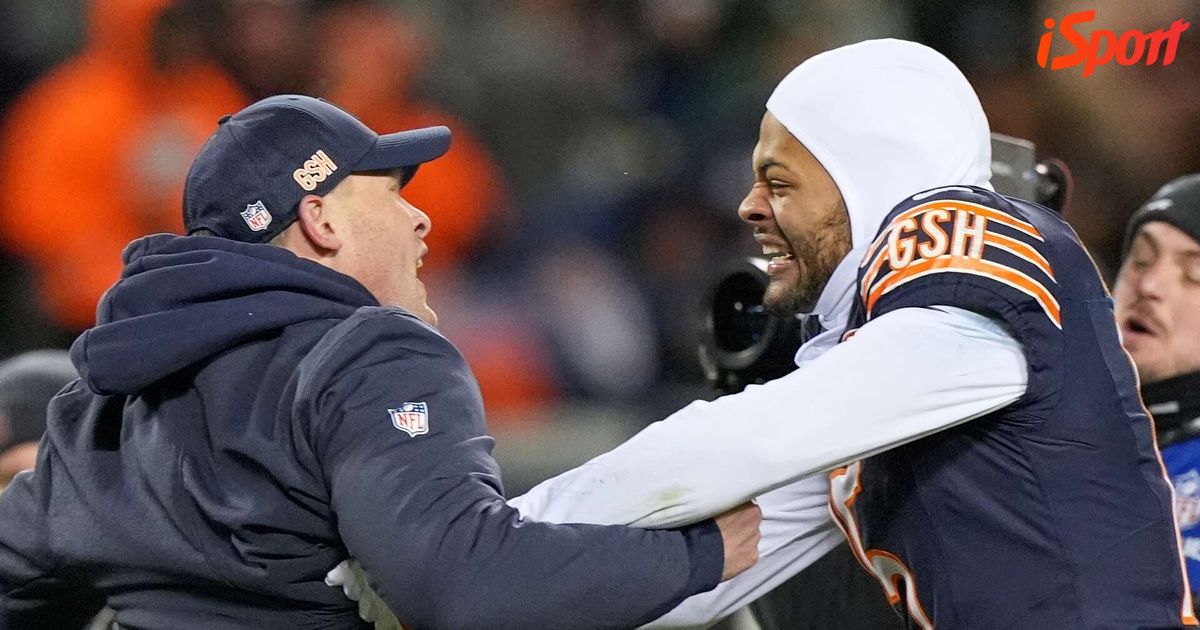
The Evolution of Williams: Beyond the Highlight Reel
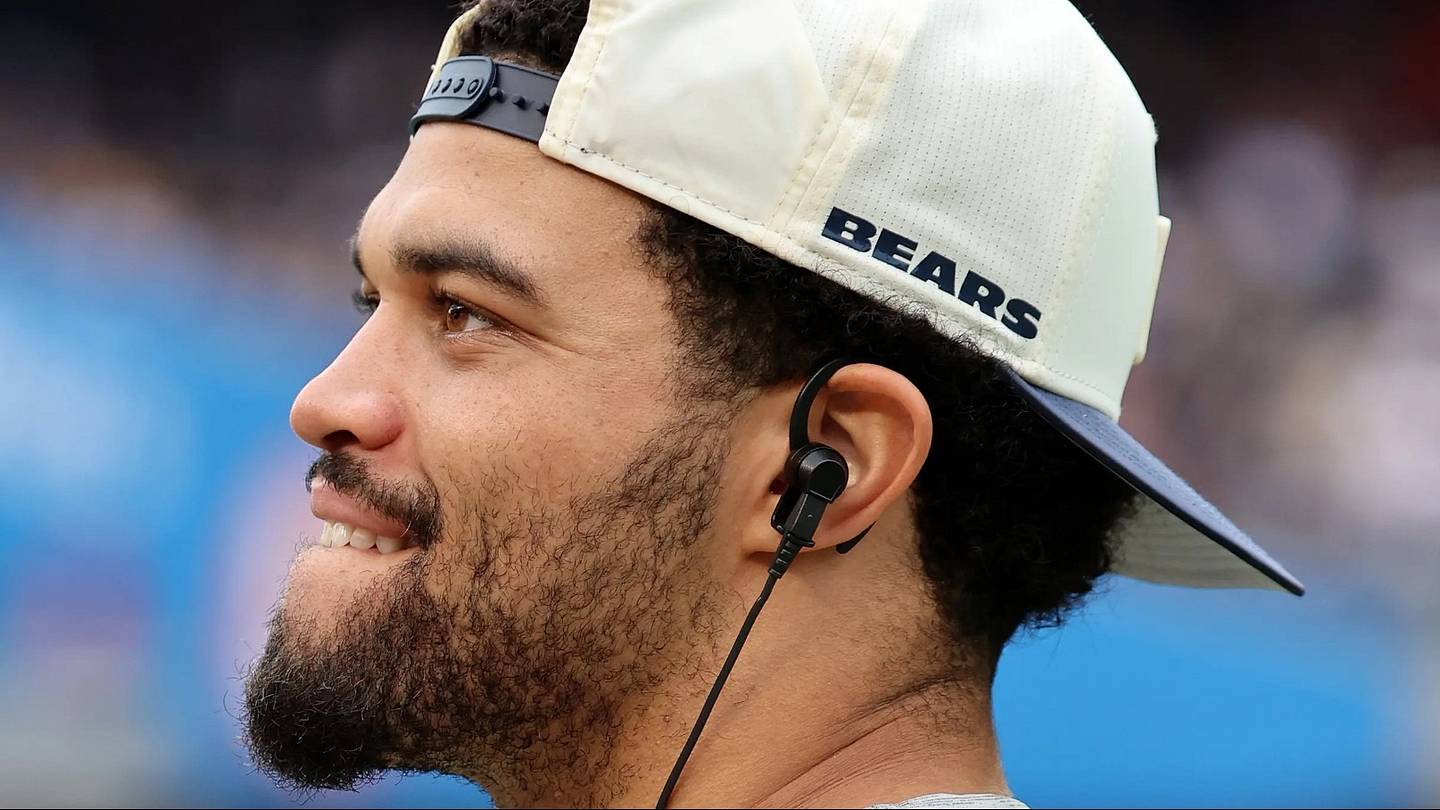
Williams enters his second training camp carrying the gravitational pull of superstar potential, guaranteed to populate feeds with jaw-dropping, off-schedule throws. But Johnson and the offensive coaching staff are pressing their young signal-caller to pair those spectacular moments with ruthless consistency during the humdrum, mechanical tasks of the position.
That evolution requires meticulous command of the huddle, accelerated pre-snap operation, and marrying a maturing understanding of the scheme with decisive decision-making. Most importantly, the coaching staff is demanding surgical ball placement.

“We want to give these pass catchers — and we have so many talented ones — opportunities to run after the catch,” Johnson explained from nytimes.com. “So we’re being very critical on where we’re putting that football.”
Williams has embraced the directive, calling it supremely important as he prepares to distribute targets following the departure of DJ Moore. With Luther Burden III pressing for distinction and Rome Odunze working through a restructured foot following a 2025 stress fracture—which Odunze described as his calloused "new normal"—accurate, rhythm-based passing will dictate whether Chicago's offense can sustain its explosive second-half identity.
Key Battles and Injury Reintegrations Across the Roster
Beyond the quarterback room, training camp will serve as an unforgiving crucible for several high-profile players fighting for roster security, health, and leverage:
- Braxton Jones: The left tackle returns on a one-year, $10 million deal after an injury-plagued 2024 and 2025 season that saw him benched in September before landing on injured reserve. Having spent his offseason working with Terron Armstead and reporting feeling right in his lower half, Jones holds the early lead for first-team reps ahead of challengers Jedrick Wills Jr. and Kiran Amegadjie.
- Kyler Gordon: Made the NFL's highest-paid nickel corner in April 2025, Gordon played just five games last year due to a cascade of soft-tissue injuries that also wiped out his spring program. Defensive coordinator Dennis Allen is eager to unleash Gordon's unique movement skills, but nickelbacks coach Cannon Matthews notes that availability remains the fundamental prerequisite for building coaching trust.
- Tyrique Stevenson: Entering a contract year and facing intense competition from fourth-round rookie Malik Muhammad for the No. 2 cornerback spot, Stevenson has shown a marked increase in focus and leadership as the secondary works to replace a league-high 33 takeaway productions lost in free agency.
- Austin Booker and Yannick Odeyingbo: With the front office standing pat in free agency rather than signing a marquee edge rusher to pair with Montez Sweat, Odeyingbo—recovering from a ruptured Achilles suffered last October—will battle Booker and Shemar Turner to answer lingering questions about a pass rush that ranked near the bottom of the league in win rate and pressure percentage.
Evidence-Led Forecast: Navigating the NFC North Gauntlet
Tactical Pattern: Expect Ben Johnson to lean heavily on scripted, fast-tempo sequences early in games while demanding that Williams orchestrate efficient, rhythm-based intermediate passing to mitigate pass-rush pressure. Defensively, Dennis Allen will utilize versatile chess pieces like rookie safety Thieneman and Coby Bryant to disguise coverages and manufacture unpredictability.
Decisive Matchup: The battle in the trenches—specifically Braxton Jones and the offensive line holding up against elite divisional edge defenders—will determine whether Williams has the pocket integrity required to execute downfield progressions without relying solely on scramble drills.
Strongest Counter-Case: Skeptics can rightfully point out that relying on miraculous fourth-quarter comebacks, such as the playoff thriller against Green Bay, is statistically volatile and unsustainable over a grueling 17-game schedule.
What Would Change the Read: Continuous soft-tissue setbacks for availability-dependent starters like Gordon, or an inability for the pass rush to generate pressure without extra blitzers, would instantly expose the roster's remaining depth vulnerabilities as the Bears prepare for their regular-season opener on September 13 in Carolina.
Sources
These sources formed the evidence pack for this article. Links open the original publisher; inclusion does not imply endorsement.
- nytimes.com original
- espn.com original
- isport.blesk.cz original