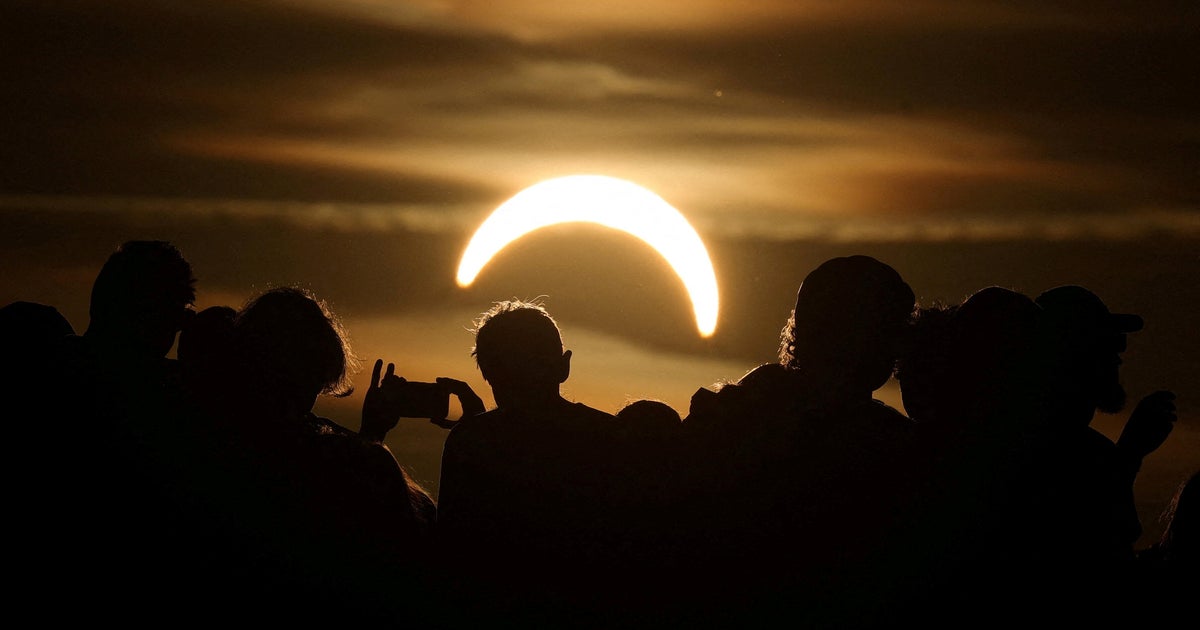
When the lunar shadow swept across the Northern Hemisphere, it triggered a continent-wide scramble for certified eye protection, clear horizons, and prime viewing elevations. From bakery counters in central London—where staff reported brisk morning sales of specialist eclipse glasses—to the sun-drenched plazas of northern Spain, the celestial event delivered the widest spectacle of its kind since 1999.
For the UK, the peak arrived between 18:58 and 19:15 BST, blanketing up to 96% of the Sun's disc in western regions like Devon, Cornwall, and Pembrokeshire. Yet, meteorology played a decisive hand in the viewing experience. While clear skies favored parts of the British Isles, lingering cloud cover threatened western Scotland and Northern Ireland. Across the Atlantic, communities tuned in as London reached a 91% maximum at 2:13 p.m. ET, part of a global footprint where roughly 230 million people lived in areas experiencing at least 90% totality.
The Path of Totality: Spain Takes Center Stage
While the UK settled for a deep partial shade, northern Spain sat squarely on the path of totality. Cities including Bilbao, Valencia, and Palma enjoyed clear skies, while Barcelona and Madrid recorded over 99% coverage. Half a million visitors flooded into northern Spain, according to the finance ministry, transforming locations like Burgos into hubs of international stargazing.
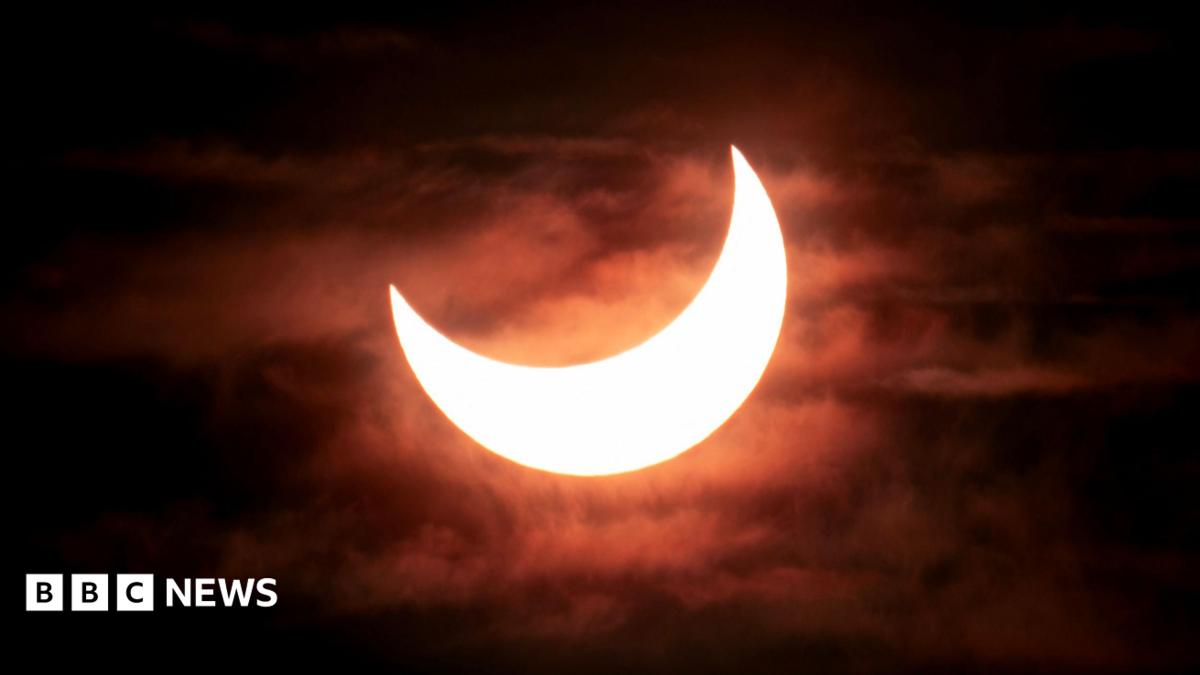
During that minute and a half, what I hope to see is the grandeur of nature and to experience it with my family, said Leonor Aguilar of Jaén, capturing the sentiment of travelers who journeyed from as far as Brest, France. For Spain, the occasion marked its first total solar eclipse since 1905.
Chronology of the Shadow
The cosmic alignment followed a precise, fast-moving trajectory across the Northern Hemisphere:
- 1:00 p.m. ET: First glimpse of the total eclipse recorded in extreme northern Russia.
- +30 Minutes: Totality reaches northeast Greenland.
- +15 Minutes: The shadow touches western Iceland.
- Atlantic Crossing: A 45-minute ocean trajectory brings peak views to the UK.
- 2:30 p.m. ET: Totality makes landfall in northern Spain, bringing roughly a minute and forty seconds of total darkness.
Further afield, North American observers caught glimpses of a partial eclipse—ranging from 37% totality in Fairbanks, Alaska, down to single digits in New York, Toronto, and Philadelphia.
Safety Protocols and Optics
Astronomical authorities repeatedly emphasized the non-negotiable requirement for certified solar viewing gear. As Martin Griffith, director of the Brecon Beacons Observatory in Wales, noted, witnessing a land-based totality is an incredible rarity, but unprotected viewing risks permanent retinal damage. Standard sunglasses, welding goggles, and smartphone camera lenses offer zero protection during partial phases; only certified solar glasses, proper telescope filters, or indirect pinhole projections using everyday kitchen items like colanders safely render the phenomenon visible.
For those who missed the spectacle, the wait for a repeat performance on British soil stretches to 2081, cementing Wednesday evening as a rare intersection of science, public fascination, and collective outdoor observation across Europe.
Sources
These sources formed the evidence pack for this article. Links open the original publisher; inclusion does not imply endorsement.
- bbc.co.uk original
- apps.apple.com original
- cbsnews.com original