The last time GOLF Magazine unveiled its first Top 100 Courses in the United States, the country was in the middle of a construction boom. A dozen courses on that 1991 roster had opened within six years, and course-ranking panel overseer Tom Doak declared a "new era for the art of golf architecture." Thirty-five years later, the cycle is turning again, and Wisconsin is riding it.
Four courses in Wisconsin now appear on GOLF.com's 2026-27 Top 100 Courses in America, a rare concentration that puts the state in the same national conversation as golf's traditional coastal strongholds. Leading the way is Whistling Straits at No. 21, followed by Sand Valley, which appears on the list just weeks after earning praise from GOLF.com's own Nick Piastowski, who called the whole Sand Valley experience "great" and urged readers to try every course in the complex.
Try to get on the Lido. Try to play all of the other ones. The whole complex is wonderful.
The 2026-27 ranking lands at an inflection point for American golf. GOLF.com describes the current moment as an ongoing Golden Age—or perhaps a Gilded Age, given the staggering budgets behind private passion projects, high-end resort destinations, and eye-popping green fees. The rankings themselves reflect that environment: newcomers, holdovers, and shifts in position trace a game reshaped by surging interest in design and unprecedented investment that has revived great golf in familiar places while carrying it to regions where it never existed before.
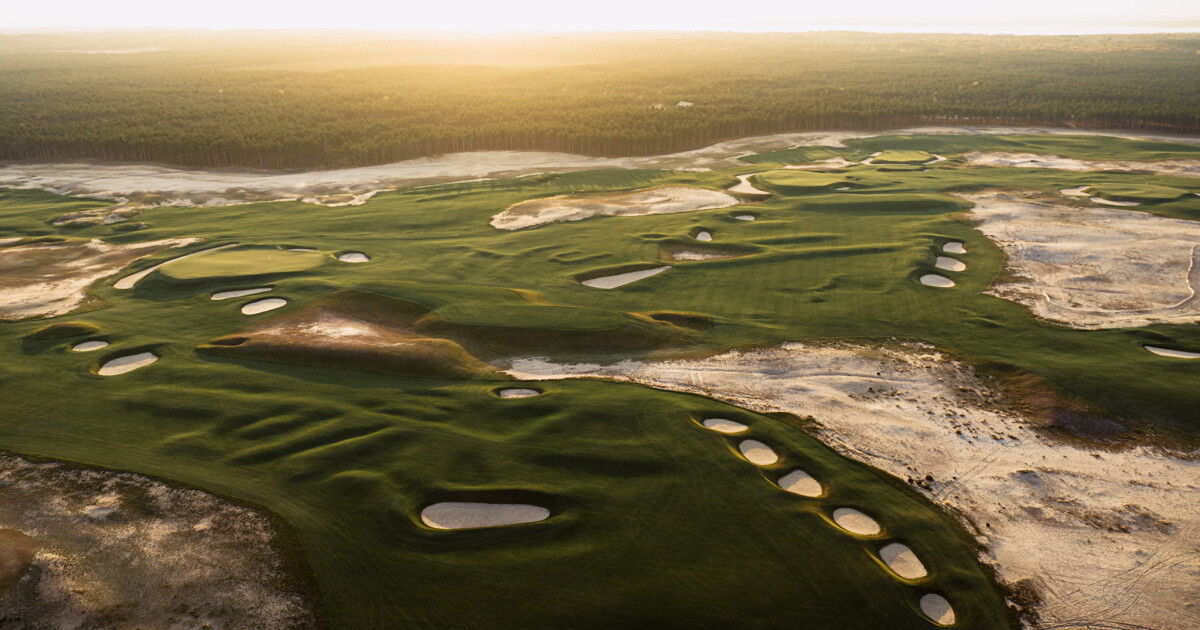
What makes Wisconsin's showing distinctive is not merely the count but the character of its representatives. Whistling Straits has long carried the state's flag on the national stage, hosting major championships and staging Ryder Cup drama on Lake Michigan's shore. Sand Valley, by contrast, represents the newer wave of minimalist design that traces its lineage back to Doak's own Pacific Dunes, which opened two decades ago and now sits at No. 21 in a separate world ranking. Two more Wisconsin courses complete the quartet, giving visitors options across different price points and playing philosophies rather than a single destination.
| Course | National Rank | Notable Context |
|---|---|---|
| Whistling Straits | No. 21 | Longtime Wisconsin flagship; Ryder Cup and major-championship venue |
| Sand Valley | Not specified | |
| Two additional Wisconsin courses | Not specified | Names and ranks not disclosed in source material |
GOLF.com notes that more than half the courses on the list welcome outside play, which means the Wisconsin entries are not merely trophies for members and guests. They are accessible bucket-list destinations for readers who will never receive an invite to Augusta National or Shinnecock Hills. For anyone building a Midwest golf trip, that distinction matters: a Top 100 course behind a locked gate is an abstraction; one open to the public is a tee time.
The ranking arrives during Thanksgiving week, which happens to coincide with LPGA commissioner Craig Kessler's first year in office. Kessler has announced that beginning next year every LPGA round and tournament will be broadcast live on TV across the United States—a move GOLF.com editors described as massive for exposure, though they cautioned that the broader challenge is giving viewers a reason to watch. The parallel is instructive. A top-100 placement is exposure, but it does not automatically fill tee sheets or convert casual observers into pilgrims. Courses still have to deliver when players arrive.
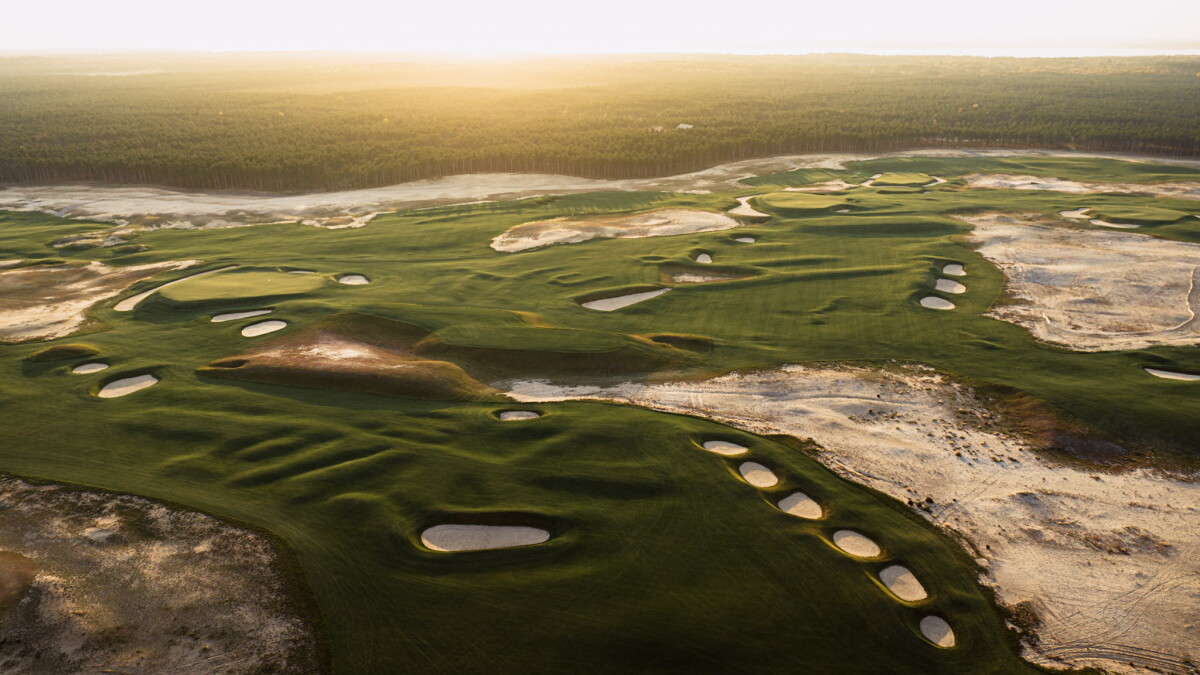
From a tactical standpoint, Wisconsin's golf boom reflects a trade-off visible across the national list. The rankings celebrate design and investment, but they also capture a moment when green fees and initiation dues are climbing. A course can be a world-class design and still feel out of reach for the average player. Wisconsin's strength appears to be its depth rather than reliance on a single superstar venue, which offers a practical hedge for traveling golfers: if one course is booked or priced beyond comfort, another ranked option likely sits nearby.
GOLF.com invited readers to debate the 2026-27 list, and the Wisconsin presence is worth debating on its own terms. Four courses is a meaningful footprint in a ranking that changes slowly; GOLF.com's editors acknowledged they did not see a ton of turnover in the most recent world list, with big leaps instead coming from courses such as Shanquin Bay, Lofoten Links, and the Lido. Wisconsin's four entries suggest the state's golf architecture has moved from novelty to permanence.
Whether the ranking triggers a booking surge or simply validates what regional players already knew, the evidence points to one clear takeaway: Wisconsin no longer needs to apologize for its place on America's golf map. It has four reasons to claim it.
Sources
These sources formed the evidence pack for this article. Links open the original publisher; inclusion does not imply endorsement.
- sports.yahoo.com original
- finance.yahoo.com original
- golf.com original