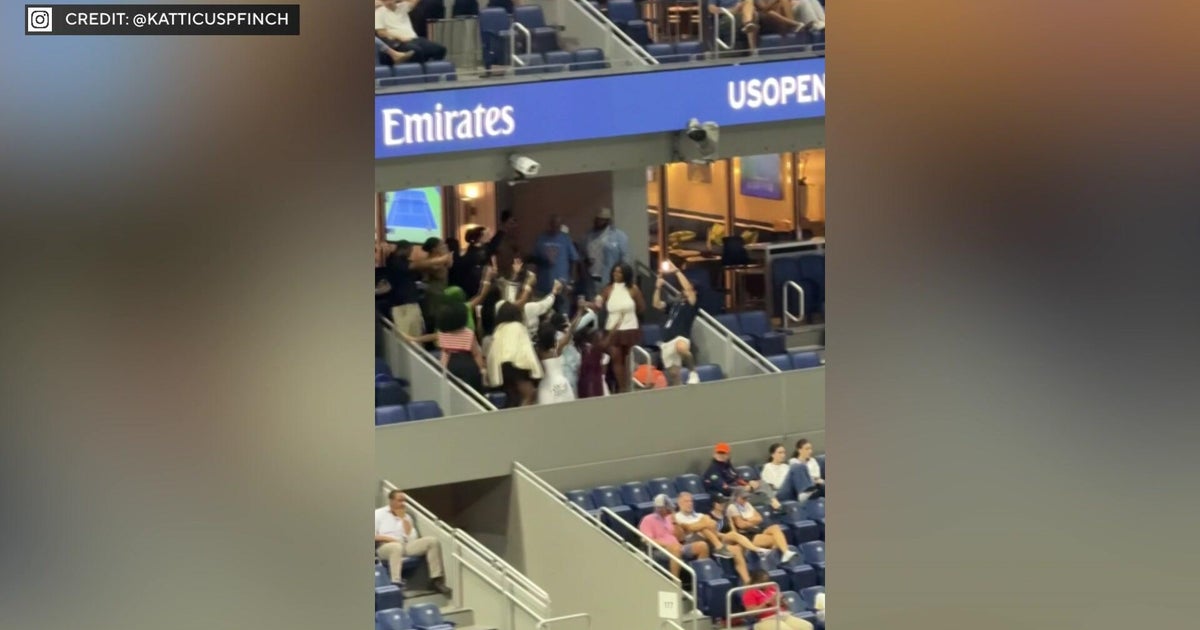
When Naomi Osaka tossed the ball upward on Arthur Ashe Stadium during her opening-round match, she was met not just with the standard low rumble of Flushing Meadows, but with the sudden glare of a portable ring light. In a hospitality suite overlooking the world's largest tennis venue, a group of accredited content creators was conducting a live photo shoot while play was actively underway. The disruption forced the chair umpire to step in and reprimand the group, turning a routine service game into the flashpoint of a growing debate at the 2026 US Open.
The friction extended beyond that initial incident. When Osaka returned to court on Thursday, chair umpires were forced into near-constant crowd management as elevated ambient noise repeatedly halted play. Today the umpire told everyone to be quiet more than I've ever heard an umpire tell a crowd to be quiet,
Osaka said after her match. While the two-time champion acknowledged the value of attracting new fans, she emphasized that court awareness remains essential. I feel like it's common courtesy to read up on the sport, especially the etiquette,
Osaka added, noting that while creator access can expand the sport's reach, it has to be managed a lot better, especially in the situation like my first-round match.
Locker Room Division: Disrespect vs. Market Growth
Osaka’s concerns resonated across the draw, particularly with world number three Jessica Pegula, who offered a uncompromising critique of court-side disruptions. Pegula argued that filming and selfie lighting during point play cross the line from fan engagement into workplace disruption. I can appreciate the influencers coming and showcasing the US Open experience,
Pegula stated. But I do think that it's tough when you see videos when they're taking pictures and using the selfie lights. People are down there trying to perform. It's their career and their job. It seems a bit disrespectful.
World number four Coco Gauff framed the issue through the lens of basic spectator standards. While Gauff noted that fresh demographics help grow tennis, she stressed that venue setting demands situational awareness. If you're being invited to a red carpet, you wouldn't show up in jeans,
Gauff observed. I think it's just follow the etiquette of the sport. That's all.
Yet opinion among competitors is far from unanimous. Men's seventh seed Daniil Medvedev took a permissive view, expressing faith in tournament organizers to handle crowd dynamics. The more we try to raise awareness about tennis, the better it is,
Medvedev remarked, concluding there is a lot more upside than downside, so go for it.
American 11th seed Frances Tiafoe similarly praised the sheer variety of fans entering Arthur Ashe Stadium, stating he welcomed spectators from all occupations and walks of life.

| Player | Status / Seed | Core Stance on Influencer Activity |
|---|---|---|
| Jessica Pegula | World No. 3 | Termed ring lights and live-point filming disrespectful to competing professionals. |
| Coco Gauff | World No. 4 | Welcomed growth but urged compliance with traditional sport etiquette. |
| Naomi Osaka | 2-time US Open Champion | Backed audience expansion but demanded stricter management after photo shoots interrupted play. |
| Daniil Medvedev | Men's 7th Seed | Supported USTA initiative, viewing broader promotion as having more upside than downside. |
| Frances Tiafoe | 11th Seed | Embraced crowd diversity and welcomed varied occupations across the stands. |
The Commercial Push: Free Movement and Creator Accreditation
This atmosphere is the product of a deliberate structural pivot by tournament leadership. Tournament Chief Executive Craig Tiley has openly championed transforming Flushing Meadows into the tennis Disneyland,
using specialized creator credentials to target audiences where they consume digital media. For this year's tournament, organizers granted accreditation to roughly 100 content creators—doubling the total credentialed in 2025.
The expansion aligns with operational shifts introduced over recent years. In 2024, the US Open implemented a free fan movement policy, eliminating the requirement that spectators wait for changeovers before taking their seats. By 2025, the tournament expanded to a 15-day format, anchored by a pre-tournament 'Fan Week' featuring exhibition play and a revamped mixed doubles contest.
Following the disruption during Osaka's opening match, the USTA increased messaging across ground screens, explicitly instructing fans to refrain from any activity that could disrupt the game, including noise levels, flash photography and ring lights.
In an official statement, the organization noted it continually seeks to balance bringing in new audiences with preserving competition on court.
For Osaka, high-stakes drama on Arthur Ashe is familiar territory. In 2018, she captured her maiden Grand Slam title on the same court in a tumultuous 6:2, 6:4 final against Serena Williams—a match defined by Williams' confrontations with official Carlos Ramos over coaching warnings and penalties. Eight years later, the friction on Ashe stems not from officiating disputes, but from the evolving boundaries of modern sports entertainment.
Sources
These sources formed the evidence pack for this article. Links open the original publisher; inclusion does not imply endorsement.
- bbc.co.uk original
- sport.aktualne.cz original
- harpersbazaar.com original