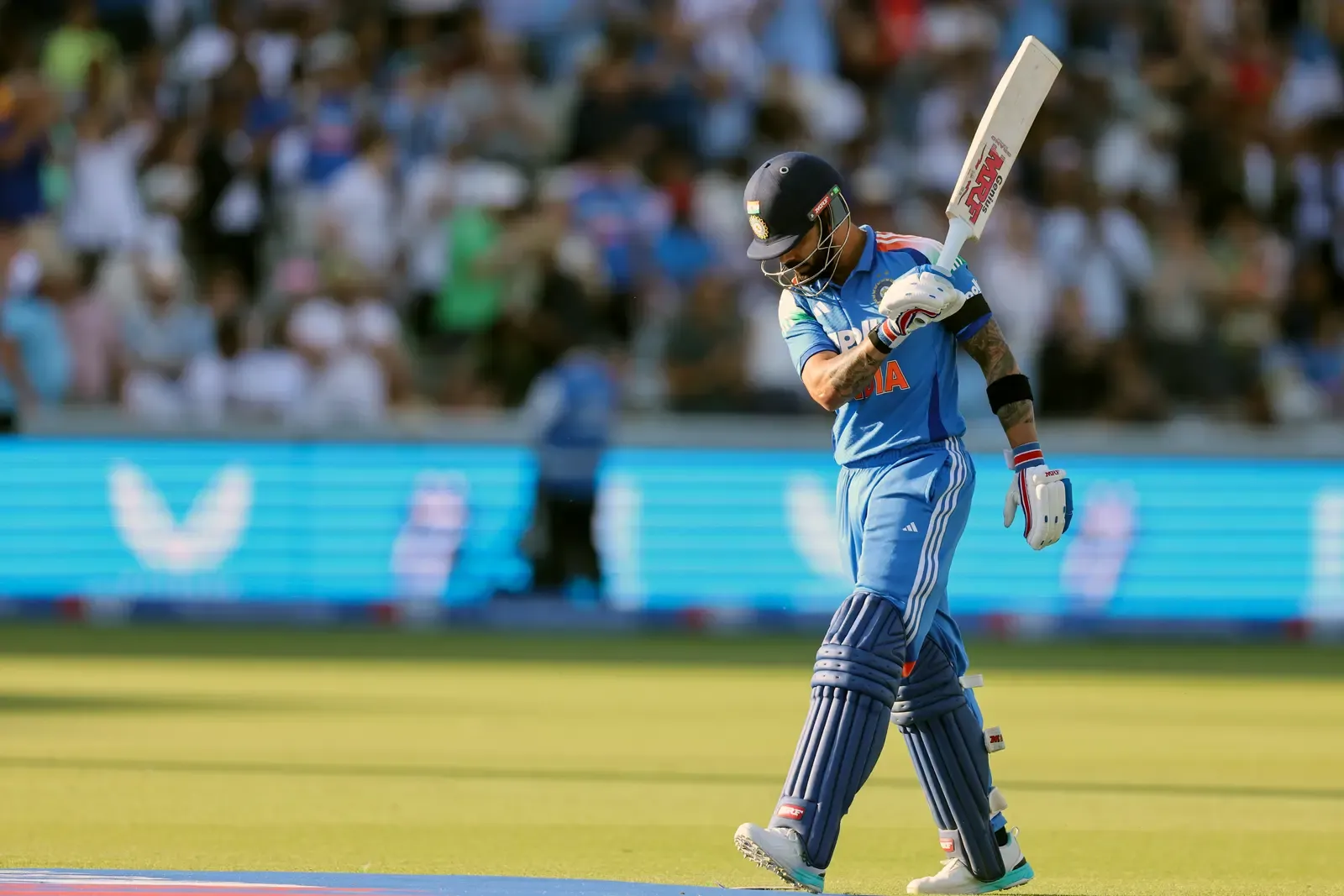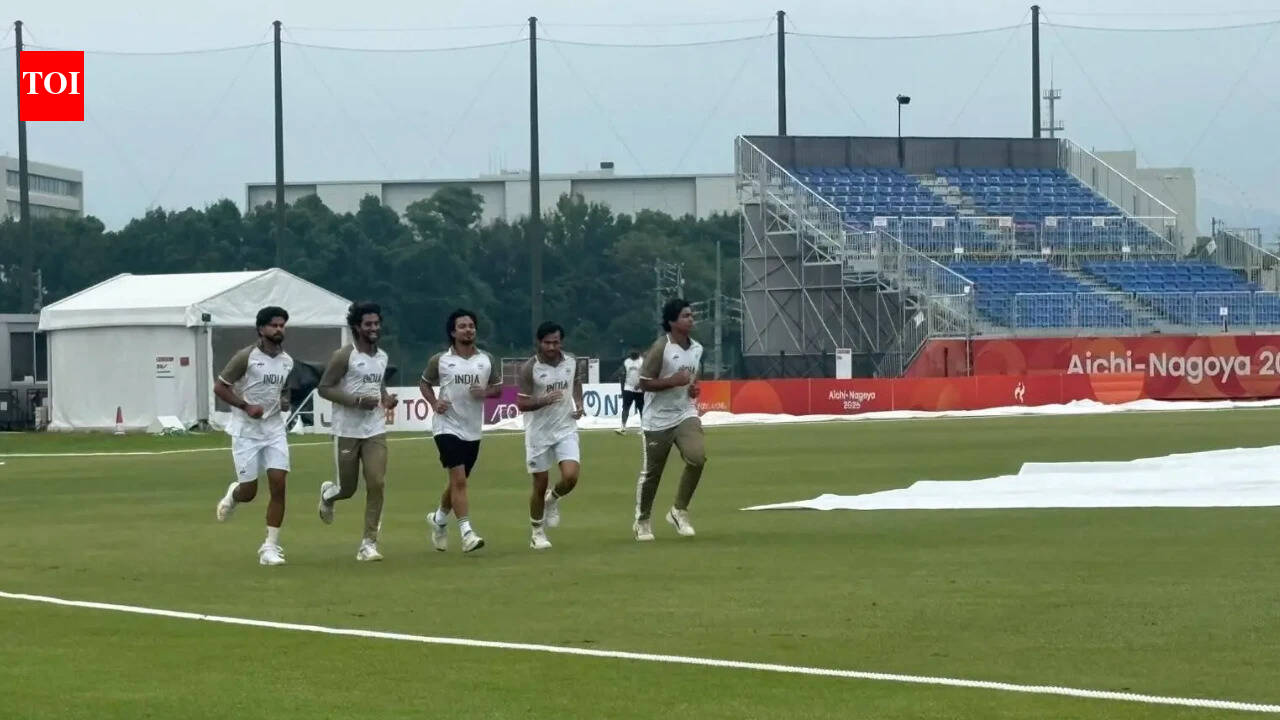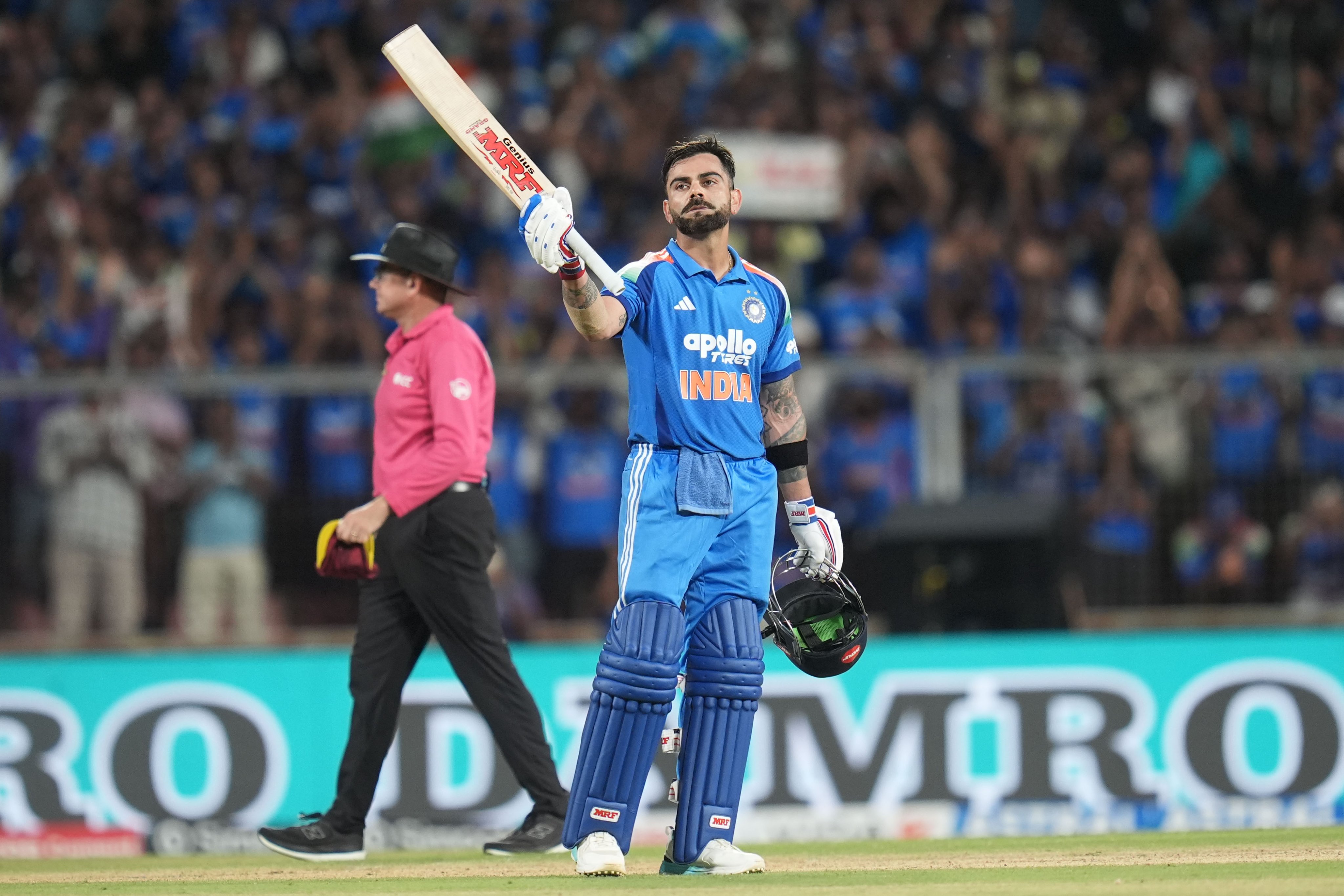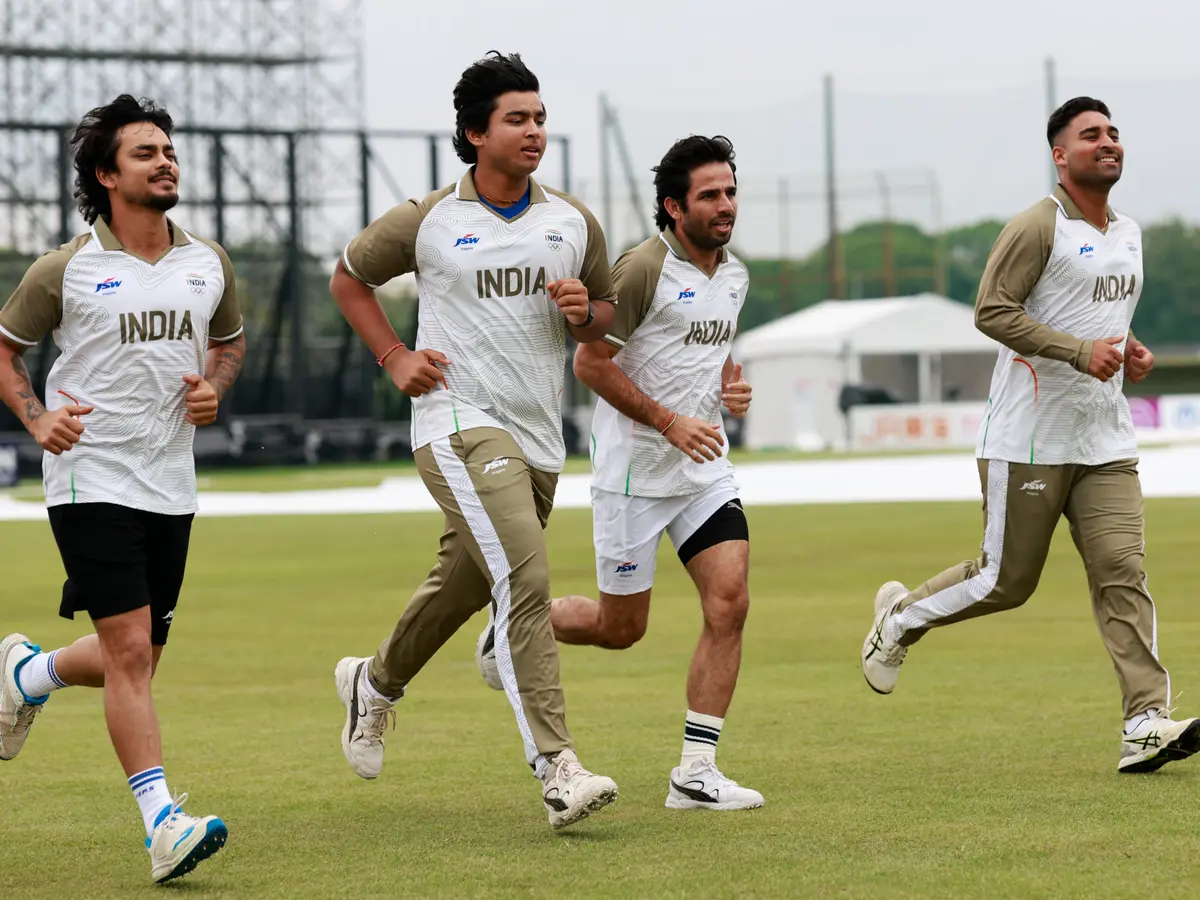
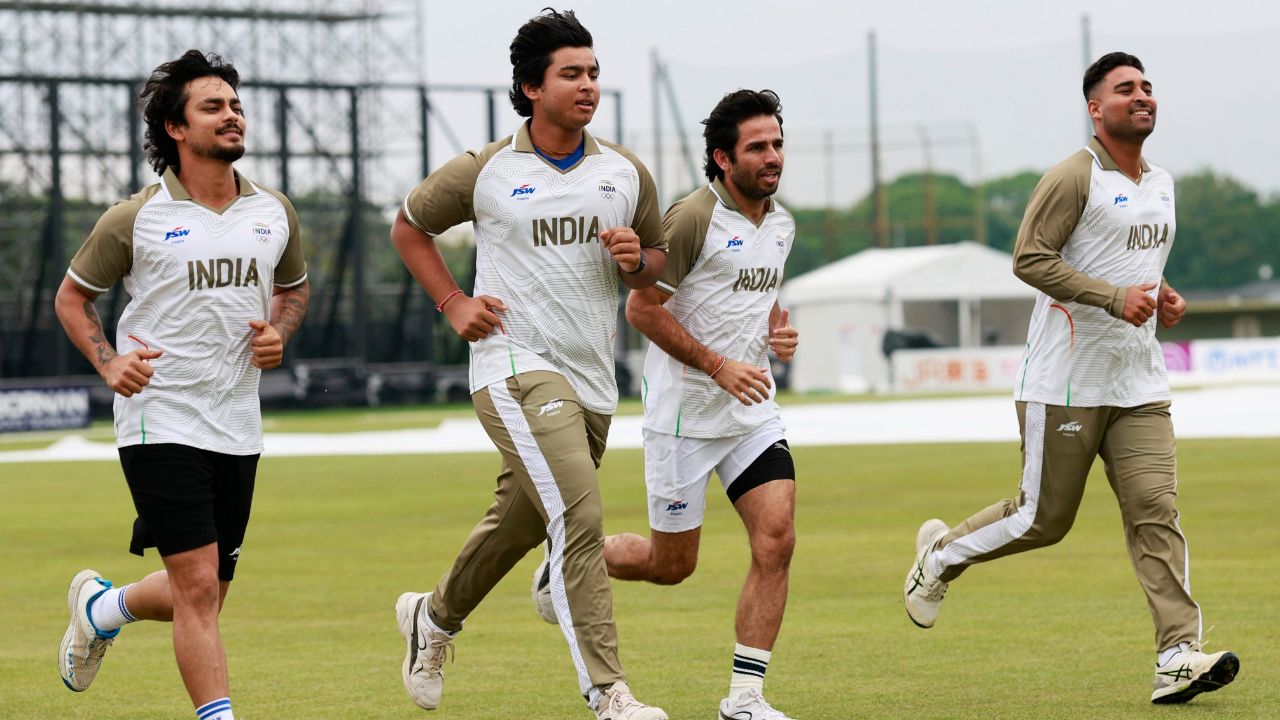
At Korogi Sports Park in Nisshin, Japan, on Monday, September 28, 2026, the Asian Games men's cricket tournament encountered an insurmountable autumn downpour. Without a single ball bowled—or even a coin toss conducted—defending champions India and arch-rivals Pakistan both advanced directly into the semifinals. Their respective quarter-final opponents, Afghanistan and Hong Kong, were eliminated on the spot without stepping onto the field. For India, captained by Shreyas Iyer, the total washout kept open an extraordinary mathematical reality: retaking Asian Games gold without playing a single frame of cricket.
Korogi Sports Park Washouts Trigger Tournament Seeding Rule
The mechanism governing Monday's abandonments stems directly from the operational realities of multi-sport games. Unlike stand-alone international series or world cup tournaments, cricket at events organized under the umbrella of the Olympic Council of Asia (OCA) and the Asian Cricket Council (ACC) runs on exceptionally tight logistical timelines. With shared facilities and a crowded schedule, organizers do not allocate reserve days for knockout matches affected by weather.
When rain renders the outfield unplayable and prevents play from getting underway, officials have no choice but to call the match off. Under the official playing conditions, an abandoned knockout match that fails to reach the minimum overs required for a result is settled purely by pre-tournament seedings. Whichever side entered the tournament with the superior ICC T20I ranking at the entry deadline automatically moves forward.
The Five-Over Threshold: How OCA and ACC Regulations Mandate Winners
To produce an on-field completed match, both teams must complete a minimum of five overs. If rain interrupts play during the second innings after five overs have been bowled, the Duckworth-Lewis-Stern (DLS) method determines the winner based on the chasing team's par score at the moment of stoppage. However, if weather blocks the start entirely or cuts off the second innings before the five-over mark, the fixture is declared a no result—triggering the higher-seed advancement rule.
| Match Status Scenario | Minimum Play Required | Resolution Method | Advancing Side / Winner |
|---|---|---|---|
| Complete Washout / Abandoned Before 5th Over | Under 5 overs per side | Pre-Tournament Entry Seedings | Higher-seeded team advances / takes gold |
| Interruption After 5th Over of Chase | 5 overs per side completed | Duckworth-Lewis-Stern (DLS) Par Score | Team leading on DLS par score |
| Shortened Match Completed | 5 to 19 overs per side | Standard Runs / Wickets Margin | On-field match winner |
Because India entered the Aichi-Nagoya 2026 Games as the top-seeded team in the competition, they hold the ultimate tiebreaker in every remaining fixture. If rain continues to wash out play through Thursday's semifinals and Saturday's final, India will automatically be awarded the gold medal without a single delivery being bowled.
The Hangzhou Echo: When Afghanistan's Gold Dreams Were Rained Out
This regulation is not a theoretical anomaly; it previously decided the gold medal match at the 2023 Asian Games in Hangzhou, China. In that final, Afghanistan had reached 112 for 5 in 18.2 overs when heavy rain halted play. India never got the opportunity to begin their five-over response before officials called the game off.
Because the second innings had not crossed the five-over threshold required for a DLS calculation, the match was declared a no result. India was awarded the gold medal based on their higher pre-tournament seeding, while Afghanistan was assigned the silver medal despite having posted a competitive total on the field.
For lower-seeded sides, this rule represents a severe operational wall. Twenty-over cricket is notoriously fluid, where a quick three-wicket spell or a frantic ten-ball counter-attack can overturn heavily favored teams. A complete washout eliminates on-field variance entirely, leaving sides like Afghanistan and Hong Kong with no path to engineer an upset once rain sets in. Afghanistan had earned their quarter-final berth by finishing second in Group A alongside Nepal, while Hong Kong qualified out of Group B above Oman, only for both campaigns to end in the Nisshin rain without a toss.
Knockout Landscape: Potential India-Pakistan Final on October 3
The upper and lower halves of the knockout bracket leave open the long-awaited prospective clash between Asia's biggest rivals. India will face the winner of Tuesday's quarter-final between Sri Lanka and Nepal in Semifinal 2 on Thursday, October 1. Meanwhile, Pakistan—who advanced on Monday after their quarter-final against Hong Kong was similarly abandoned—will play the winner of Bangladesh versus Malaysia in Semifinal 1 on October 1.
If both India and Pakistan win their respective semifinals, they will meet in the gold medal final on Saturday, October 3. If both fall in the last four, they will play in the bronze-medal playoff. However, if rain persists across all scheduled dates, India's status as the top-seeded entry guarantees them the top step of the podium.
Evidence-Led Forecast: Semifinal Trajectories and Weather Dependencies
Likely Tactical Pattern: If weather clears enough for play on Thursday, teams winning the toss will almost certainly choose to field first. Given the persistent damp conditions at Korogi Sports Park, captains will aim to exploit early moisture with seam bowlers and ensure they remain ahead of the DLS par curve immediately from the start of the chase.
Decisive Matchup: The key contest will involve top-order batters navigating curtailed powerplays. In reduced five-to-ten over sprint matches, middle-order leaders like Shreyas Iyer will need to strike cleanly from ball one to avoid falling behind the aggressive DLS par calculations that kick in after the fifth over.
Strongest Counter-Case: The primary hazard for a higher seed is an abbreviated chase under lights. If an opponent bats first, swings freely, and posts a compact 60 runs in six overs, losing two quick wickets in reply can leave a top seed behind the DLS par score if rain suddenly stops play after the fifth over.
What Would Change the Read: A shift toward sustained clear weather over Aichi-Nagoya across Wednesday and Thursday would eliminate seeding fallbacks entirely, forcing India, Pakistan, and the qualifying teams to settle medal honors strictly through 20-over tactical execution.
Sources
These sources formed the evidence pack for this article. Links open the original publisher; inclusion does not imply endorsement.
- sports.yahoo.com original
- wionews.com original
- gulfnews.com original
- india.com original