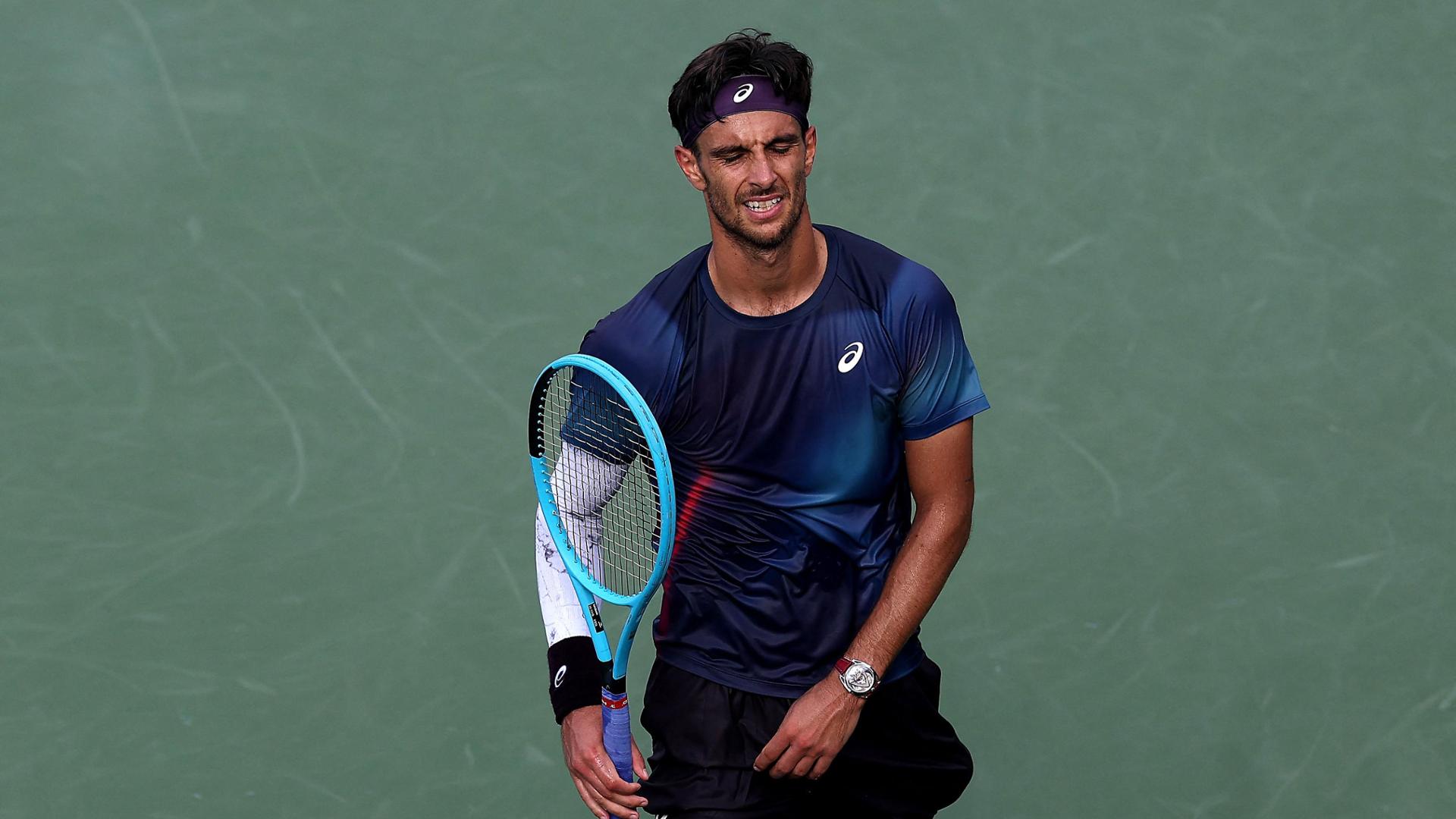
For two decades, Rafael Nadal’s morning routine was defined by chronic physical discomfort. Before the 14 French Open titles, the 22 Grand Slam trophies, and the legendary battles on red clay could even enter his mind, the 40-year-old Mallorcan had to contend with a body pushed far past its natural limits. Today, nearly two years after playing his final professional match at the 2024 Davis Cup in Málaga, Nadal’s days begin with a startlingly different rhythm: waking up around 6:45 AM, eating toast topped with sardines, smelling but never drinking coffee, and driving his young son to school at the academy he established in Manacor.
Speaking via video link during the launch of his latest Zel hotel venture on Fuerteventura, the greatest clay-court player in tennis history is grounded, analytical, and strikingly at peace. The daily agony caused by Müller-Weiss syndrome—a rare degenerative condition in which the navicular bone in the middle of the foot slowly dies—has finally subsided into manageable quiet. Following six to eight initial, deeply difficult months of post-retirement physical transition and a December 2025 hand surgery that required months of rehab, Nadal has found a structured life far removed from the brutal demands of the ATP Tour.

The Mallorcan Blueprint and Zverev’s Long-Awaited Breakthrough
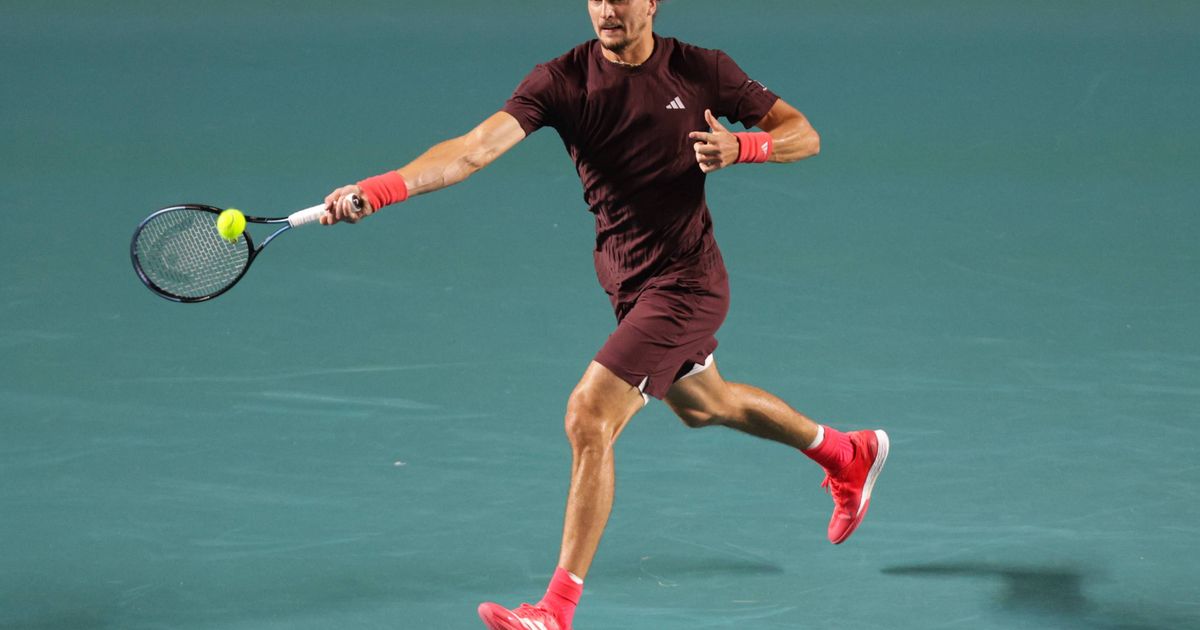
Nadal’s newfound distance from active competition has given him a sharp perspective on the tour's current hierarchy, particularly regarding Alexander Zverev. In 2026, the 29-year-old German finally shed the title of best player never to win a Major, capturing both the French Open and the US Open in a career-defining season. The breakthrough came four years after Zverev suffered a devastating ankle injury against Nadal in the 2022 Roland Garros semi-finals, and two years after Zverev defeated Nadal in the first round of the Spaniard’s final Paris appearance in 2024.
The seeds for Zverev’s 2026 surge were sown in the summer of 2025, when the German spent time training at the Rafa Nadal Academy on Mallorca. Zverev sought out Toni Nadal to potentially join his coaching box. Toni declined the offer, offering a blunt piece of perspective that proved prophetic. As Toni revealed: Zverev asked me to train him, and I told him it was not a question of a coaching change, but of character, and if he changed that, he would achieve the success he deserved.
— Toni Nadal
Instead of hiring an external star coach, Zverev retained his core family structure—his father, Alexander Zverev Sr., and his brother Mischa—while taking on board tactical advice from Rafa himself during casual conversations on the island.
Nadal remains characteristically modest about his role in Zverev’s turnaround, emphasizing that he merely spoke to him as a fellow colleague. Nadal encouraged Zverev to play with greater courage, take calculated risks, and embrace aggressive shot-making when match tension peaked. He is the player we all always thought was the right one to win multiple Grand Slam tournaments,
Nadal noted. When you don't achieve that success even though you should, it only gets harder. That is why I am all the happier that he won.
Managing Müller-Weiss: Living Without Daily Agony
Nadal’s empathy for current players stems from his deep understanding of physical wear and tear. For the final years of his career, competing at the top level required specialized, pain-blocking foot treatments to cope with Müller-Weiss syndrome. The toll was relentless, making basic morning movement a hurdle before practice even began.
Now, by stepping away from elite athletic impact and maintaining a controlled regimen of three weekly gym sessions, Nadal has reached a point where his foot no longer dictates his daily mood. I am happy because my body is finally granting me some peace,
Nadal said. In terms of pain, I am in a good phase of my life. After all those years of waking up in pain every morning, now I am experiencing something new in my life—finally no daily pain.
While Serena Williams launched a headline-grabbing comeback at age 44, Nadal has no desire to subject his body to tour-level distress again. Though he hopes to play occasional exhibition matches once his schedule permits, he firmly dismissed rumors of a professional return. If you ask me whether you should bet money on a comeback from me, I would immediately advise against it,
Nadal added.
Federer’s Shadow, Djokovic’s Pursuit, and Alcaraz’s Wrist
Nadal’s reflections on his former rivals remain laced with deep emotional memory. When Roger Federer retired at the Laver Cup in 2022—an event where iconic images showed both men weeping side-by-side—it signaled the beginning of the end for an unprecedented era. When Roger stopped, a piece of me went with him,
Nadal admitted. He was the first major competitor I met on the ATP Tour, and one of the players I admired most. Knowing I would never play against him again was sad after all the moments we shared.
Regarding Novak Djokovic, who continues his relentless pursuit of a 25th Grand Slam title despite playing a lighter schedule and reaching the Australian Open final earlier this year, Nadal refuses to rule out another milestone. While acknowledging that reduced tournament play lowers Djokovic's mathematical odds compared to two years ago, Nadal notes that discounting the Serbian legend has always proven foolish.
Nadal also expressed zero long-term concern for his successor, Carlos Alcaraz, who recently suffered a right wrist injury and sought treatment from Dr. Ángel Ruiz Cotorro—Nadal’s longtime physician. Drawing from personal experience, Nadal recalled suffering the exact same wrist injury twice in his own career: first in 2014 during training on Mallorca, and again in 2016 when forced to withdraw mid-tournament at Roland Garros. Nadal emphasized that with proper medical management under Dr. Cotorro, Alcaraz’s wrist will not compromise his long-term trajectory.
Building the Zel Empire and Looking Ahead
Off the court, Nadal’s focus has shifted to scaling his hospitality brand, Zel, created in partnership with Gabriel Escarrer and the Melià hotel group. Growing up on Mallorca, where tourism forms the economic backbone, entering the hotel industry felt like a natural transition for a player who spent more than two decades living out of suitcases.
With the opening of their Fuerteventura property, Zel is on track to operate seven hotels by the end of 2026, with an ambitious target of expanding to more than 20 locations over the next five years. Designed to export the relaxed, family-centered Mediterranean lifestyle globally, the venture mirrors Nadal’s personal philosophy: creating grounded, welcoming environments that feel like home. Additionally, Nadal’s academy is expanding its international footprint through padel tours, specifically targeting the German market, where tourism and tennis fandom heavily intersect with Mallorca.
When asked who he considers the greatest clay-court player behind himself, Nadal points without hesitation to Björn Borg, citing both historical statistics and the unanimous respect of older generations. But as Nadal looks forward, his legacy is no longer defined merely by trophies or sliding forehands on red dirt. It is defined by a rare athletic transition: leaving the court with his dignity intact, his body finally at peace, and his entrepreneurial future firmly in hand.
Sources
These sources formed the evidence pack for this article. Links open the original publisher; inclusion does not imply endorsement.
- welt.de original
- sueddeutsche.de original
- spiegel.de original
- tennisworldde.com original