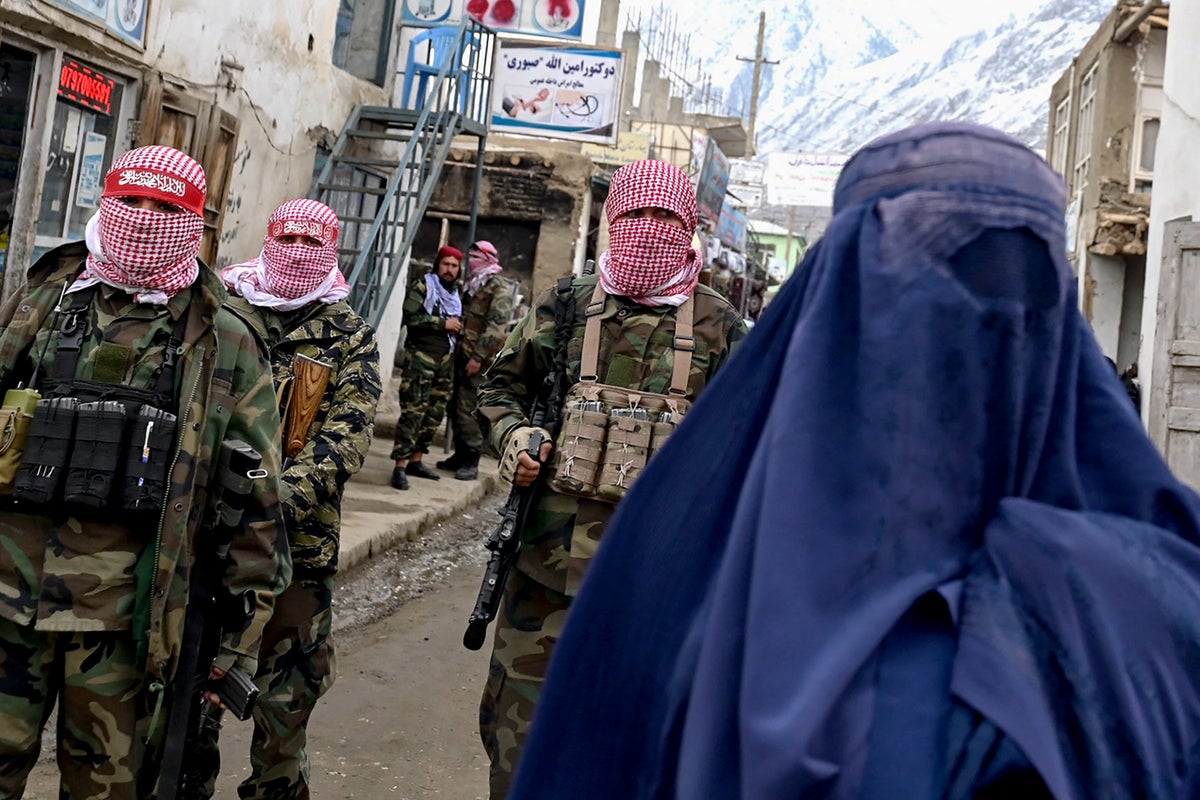
When the Taliban retook control of Afghanistan in August 2021, the landscape of daily existence altered overnight. For female athletes who had spent years building competitive sports leagues, coaching staffs, and national teams, the impact was immediate and devastating. Former national team captain Khalida Popal urged players to delete social media profiles and burn their kits to protect themselves from reprisals as armed forces took to the streets.
Under the Taliban's strict ideological framework, women's participation in athletics has been explicitly outlawed. Ahmadullah Wasiq, deputy head of the Taliban's cultural commission, made the regime's stance clear to international media regarding sports like cricket, stating that women would be "exposed" and that Islam does not allow them to be seen with their face and body uncovered. While figures like Afghanistan Cricket Board chairman Azizullah Fazli later claimed to Al Jazeera that there was "officially no ban on women's sport," the reality on the ground—compounded by bans on women entering gyms and parks—tells a story of systemic erasure.
For players like 19-year-old defender Narges Mayeli and 24-year-old team captain Sabreyah Nowrozi, football was never just a game. As Mayeli recounted to CNN, We started playing football in a small area in a community where all of the people know us as football players. We were the women who were playing football, not only as a game, but we were playing football in order to empower other girls in order to raise our voices for women rights.
The Long Road to Safety and the Limbo of Exile
The journey away from danger required immense coordination. Following a failed evacuation attempt to Qatar in August 2021—marred by a suicide attack at Kabul airport—130 Afghan female football players and their families scrambled overland via Pakistan through the Torkham border in mid-September. Aided by Leeds United chairman Andrea Radrizzani, his foundation Play for Change, the US-based charity Tzedek, and coordination from Popal, the group finally secured a flight to the United Kingdom in November.
Yet arrival in Europe did not immediately end their trials. Granted only six-month temporary visas upon entry, the athletes faced bureaucratic uncertainty. As Popal noted, the players lacked formal refugee status, leaving them in a psychological limbo where they worried about the possibility of being sent back. UK Home Office officials later clarified that the group would be processed for Indefinite Leave to Remain (ILR) before their initial leave expired. Meanwhile, players voiced a mixture of relief and lingering trauma. Now we can have a calm sleep, we are less worried,
Mayeli noted, while Nowrozi expressed her desire to finish her education and eventually study to become a child psychologist.
Grassroots Resistance Inside Afghanistan
While some athletes found safe havens abroad, countless others remain inside Afghanistan, navigating a climate of constant surveillance and strict decrees. Shabnam Nasimi, co-founder and CEO of the Friends of Afghan Women Network (FAWN), emphasizes that grassroots networks are utilizing clever diplomacy to keep education, healthcare training, and informal economic projects alive. Operating through more than 70 women-led NGOs, these groups frame their initiatives as community benefits rather than isolated women's rights projects, often securing tacit, temporary blind eyes from local authorities.
From underground English classes disguised as advanced tailoring sessions to door-to-door health champion training led by organizers like Shakiba, these efforts serve as an anchor against despair. Despite successive waves of restrictions—including the December decree banning women from working for NGOs and the closure of universities and secondary schools—these networks persist.
As international donors, governments, and athletic institutions weigh their next steps, the message from organizers on the ground remains consistent: direct support for grassroots, women-led initiatives is essential. Whether through the dream of one day seeing former national team members pull on the jersey for Leeds United ladies or through the quiet delivery of literacy lessons in back rooms, the determination to play, learn, and lead remains unbroken.
Sources
These sources formed the evidence pack for this article. Links open the original publisher; inclusion does not imply endorsement.
- pbs.org original
- independent.co.uk original
- cnn.com original
- bbc.com original