When autumn Saturdays and NFL Sundays arrive, the register chime at local sports bars becomes as relentless as a goal-line rush. Across the nation, football season supplies an indispensable commercial surge for hospitality operators who count on game-day crowds gathering around shared screens. Yet behind the packed tables and clinking pint glasses, venue owners are waging a quiet battle against thin margins, evolving broadcast agreements, and long-term shifts in beverage consumption.
The Sunday Traffic Spike Meets Post-2019 Draft Economics
For more than 190,000 draft-serving establishments in the United States—spanning local taverns, regional sports bars, stadiums, and music halls—game day remains the premier engine for volume. The hospitality sector, which employs over 16 million Americans, relies heavily on autumn football to drive foot traffic. However, the macro-level operational landscape has grown increasingly complex under the pressure of persistent inflation and lingering supply chain frictions.
Beverage dynamics inside commercial venues present a paradox. According to market research from CGA by NIQ and Draftline Technologies, draft beer is currently outperforming packaged products (such as single-use cans and glass bottles) in share, overall sales, and distribution across U.S. bars and restaurants. Fans watching games in public spaces display a clear preference for fresh draught pour over packaged alternatives. Yet despite this relative strength on-premise, national draft beer sales overall remain down 22% compared to pre-2019 benchmarks. That underlying volume deficit leaves venue operators searching for tactical ways to maximize profitability on every tap line.
| Metric / System Element | Industry Benchmark / Data Point |
|---|---|
| U.S. Draft-Serving Venues | 190,000+ locations |
| Overall Draft Volume vs. 2019 | Down 22% nationwide |
| On-Premise Share Trajectory | Outperforming packaged products in bars/restaurants |
| Steel Keg Lifespan | 30+ years of operational service |
| Annual Greenhouse Gas Reduction | >400,000 metric tons saved via keg usage |
| Annual Packaging Landfill Diversion | ~500,000 tons kept out of landfills |
Tax Code Line Play: The CHEERS Act and Draft Infrastructure
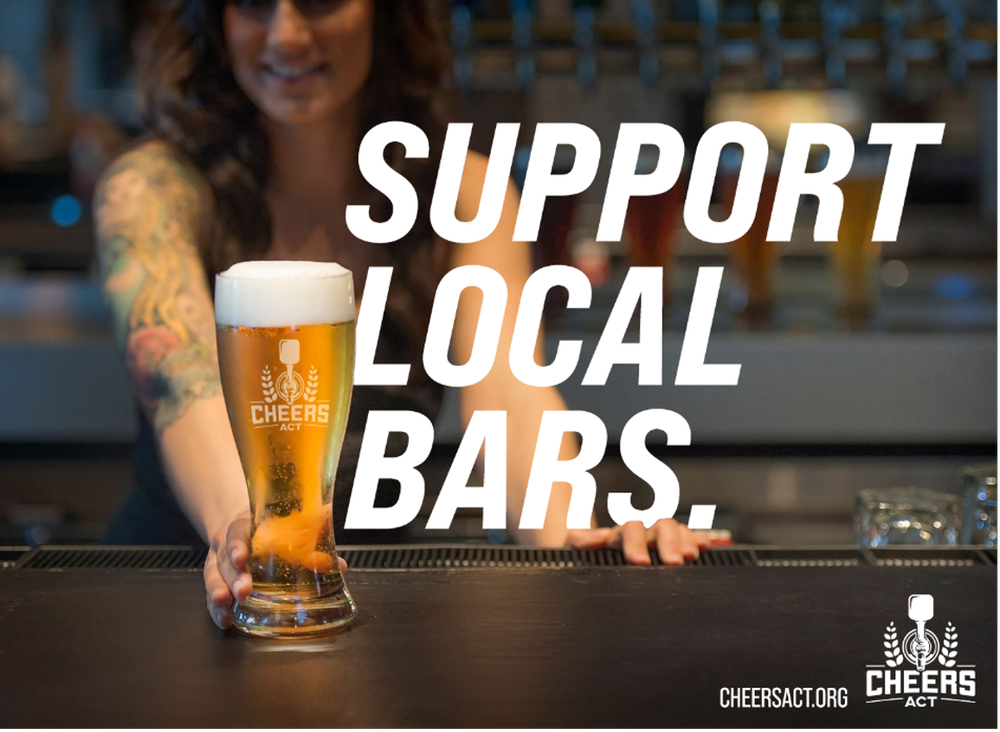
To relieve pressure on food-and-beverage venues, a broad bipartisan coalition in Congress introduced the Creating Hospitality Economic Enhancement for Restaurants and Servers (CHEERS) Act under H.R.7620 and S.4688. First brought forward in March 2024 by Representatives Darin LaHood (R-IL-16) and Steven Horsford (D-NV-4), the legislation has drawn sponsorship from Representatives Claudia Tenney (R-NY-24), Suzan DelBene (D-WA-1), Eleanor Holmes Norton (D-DC-AL), and Dina Titus (D-NV-1), alongside Senators Tim Sheehy (R-MT) and Maggie Hassan (D-NH).
The CHEERS Act targets the tax code, proposing a 15-year depreciation schedule for sustainable draft beer systems. By allowing bars, restaurants, and entertainment venues to depreciate keg lines and pouring equipment over 15 years, the bill reduces taxable income and tax liabilities for small-business owners. Proponents argue that the tax relief frees up capital for venue operators to invest directly back into workforce retention and hiring additional service staff.
Navigating Commercial Screens: From Satellite Feeds to Streaming Mandates
While beverage economics dictate inventory margins, game distribution dictates table turnover. The migration of major sports rights from traditional linear television to tech-backed streaming platforms has altered how venue managers assemble their broadcast setups.
When Google secured exclusive residential rights to NFL Sunday Ticket for YouTube TV and YouTube Primetime Channels in a seven-year agreement valued at roughly $2 billion annually, it marked a major departure from DirecTV's nearly three-decade hold on out-of-market games. However, commercial distribution inside public venues operates under distinct frameworks. While Google handles residential streaming, commercial establishments rely on dedicated commercial distribution channels negotiated between the league and network partners.

A similar dual-track model governs mid-week broadcasts. Amazon pays the NFL $1 billion annually for exclusive residential rights to Thursday Night Football on Prime Video and Twitch, but partnered directly with DirecTV for commercial delivery, allowing bars and restaurants to air Thursday games over existing satellite hardware. For venue operators, keeping every television tuned to high-leverage games requires managing these fragmented distribution channels alongside local CBS, Fox, NBC, and ESPN feeds.
Evidence-Led Forecast: Commercial Venue Performance Trajectory
Heading through the heart of the autumn gridiron calendar, commercial sports venues face distinct tactical and operational milestones:
- Tactical Foot-Traffic Trajectory: Establishments offering comprehensive game packages will see peak capacity during early afternoon multi-game windows, where higher draft-beer preference directly leverages the CGA by NIQ market trends.
- Decisive Financial Matchup: Venue survival during peak autumn weeks hinges on converting high customer counts into sustainable yield per seat, balancing draft equipment upkeep against elevated wholesale inventory expenditures.
- Policy Trajectory: Legislative momentum behind the CHEERS Act (H.R.7620/S.4688) serves as the primary capital relief signal for small business owners looking to upgrade aging draft infrastructure ahead of future fiscal years.
- What Would Shift the Read: Any sudden disruption in commercial broadcast distribution agreements or unexpected drops in game-day patron dwelling time would force venues to re-evaluate their mid-week and Sunday promotional playbooks.
Sources
These sources formed the evidence pack for this article. Links open the original publisher; inclusion does not imply endorsement.
- cheersact.org original
- cnet.com original
- bestenestate.com original