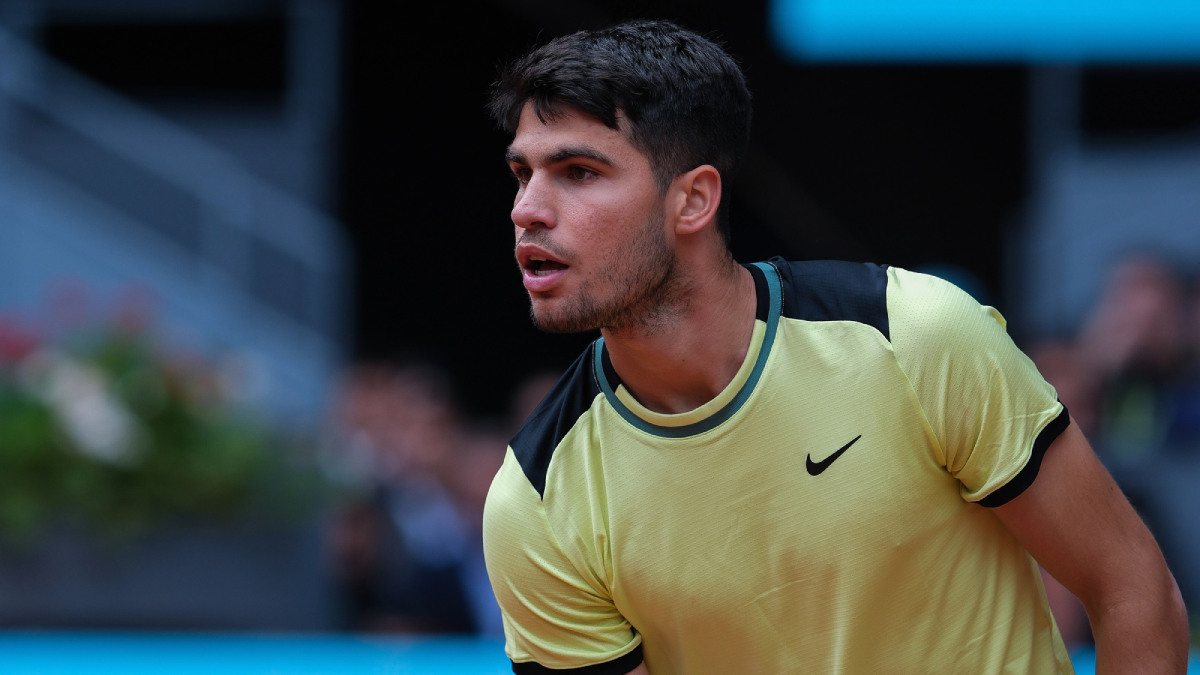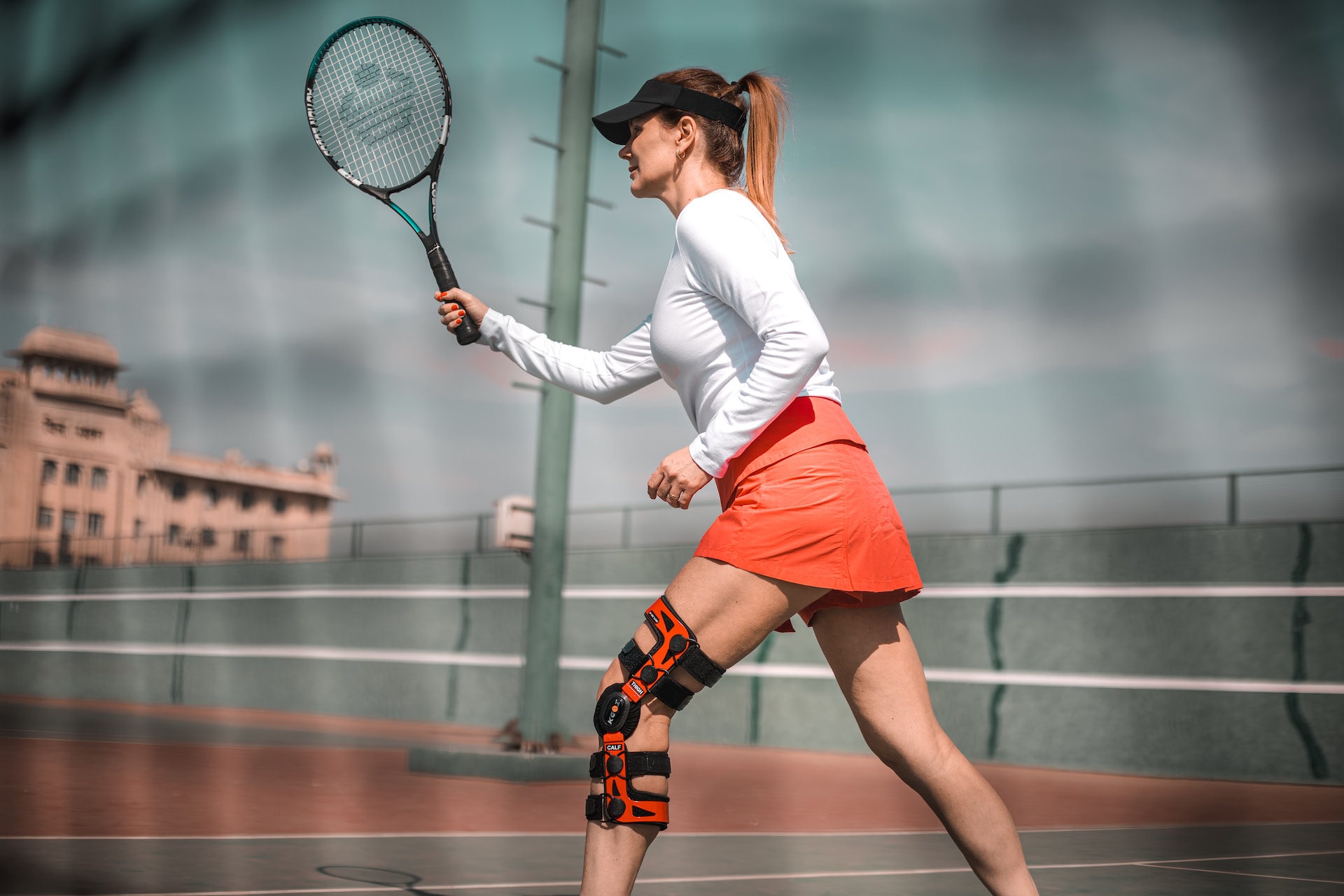
From the red clay courts of traditional tennis to the enclosed glass boxes of padel and the rapid-fire rallies of pickleball, the global racket sports landscape is undergoing its most aggressive restructuring in decades. Even elite traditionalists have taken notice. Novak Djokovic voiced genuine alarm when remarking Tennis is endangered. If we don't watch out, all tennis clubs will be converted into paddle and pickleball clubs.
Behind this anxiety lies an unprecedented boom. Pickleball, born in the northwest US six decades ago, has seen its player count surge by more than 300 percent over a recent four-year period. Padel, originating in Mexico in the late 1960s and refined in Spain and South America, has climbed to become the second most popular sport in Spain behind football, boasting six million licensed players compared to Switzerland's modest 55,000 licensed tennis players.
The Infrastructure Pivot and Economic Realities
Club managers across Europe are facing difficult economic reckonings. Sandro Balsiger, manager of the Alpine Tenniscenter Meiringen, points to aging tennis demographics and soaring renovation costs—such as a 200,000-franc price tag for outdoor tennis court overhauls—as catalysts for change. Rather than sinking capital into a declining tennis junior pipeline, Meiringen integrated both pickleball (played on badminton courts) and an outdoor padel court, noting that 90 percent of first-time padel visitors return for a second match.
Facility operators also find undeniable financial incentives in space optimization. On the exact footprint of a single tennis court, a facility can fit four pickleball courts. In regions like Zurich, demand vastly outstrips supply, and hourly rental rates for converted spaces hover around 35 Swiss francs.
Comparative Breakdown: Rules, Equipment, and Dynamics
While often lumped together as modern alternatives to tennis, padel and pickleball offer starkly different mechanical and tactical experiences.
| Category | Tennis | Padel | Pickleball |
|---|---|---|---|
| Spielfeldgröße | 23,77 x 8,23 m (Einzel) | 20 x 10 m (Glaswände) | 13,4 x 6,1 m (Offen) |
| Spielerzahl | Einzel oder Doppel | Fast immer Doppel (4 Spieler) | Einzel oder Doppel |
| Equipment | Tennisschläger & Filzball | Padel-Schläger & weicher Ball | Paddel & perforierter Kunststoffball |
| Lernkurve | Mittel bis schwer | Mittel (Wandspiel braucht Zeit) | Steil (Sofort spielbar) |
Declan Minns, racquets manager at Virgin Active Chiswick Riverside Club, emphasizes that racket sports thrive on their social dimension, noting how players routinely head to the club café after a session. Yet the physical demands vary wildly:
- Tennis: Demands robust baseline technique, overhand serves, and high endurance across large expanses. As coach Marc Krippendorf notes, racket sports act as life-extending activities that lower cardiovascular mortality, but the technical barrier to entry keeps casual players at bay.
- Padel: Played strictly as a doubles match inside a glass-and-mesh enclosure where walls remain active game elements, much like squash. The lower-pressure ball and shorter court make rallies longer, but mastering wall rebounds requires patience and tactical awareness.
- Pickleball: Utilizes a perforated plastic ball and solid paddles without strings. Because the ball travels slower and the court measures about a third of a tennis court, beginners can execute genuine rallies within half an hour. Rules like the
Kitchen
(non-volley zone near the net) and the double-bounce rule add strategic depth without overwhelming novices.
Cultural Momentum and Institutional Recognition
Both sports draw immense cultural tailwinds from celebrity investors and pop-culture saturation. Pickleball boasts financial backing from figures like Tom Brady, Kevin Durant, and Heidi Klum, alongside Hollywood adaptations like the film The Dink starring Ben Stiller, John McEnroe, and Andy Roddick. European icons such as Zlatan Ibrahimovic and Cristiano Ronaldo have similarly embraced padel.
In Switzerland, structural growth is accelerating. Magnus Stedile-Foradori, president of the Swiss Pickleball Association, targets crossing the 1,000 active member threshold to secure official recognition from Swiss Olympic and the Federal Office of Sports, a milestone that would introduce standardized turnhall markings nationwide and secure a foothold in school sports programs.
Choosing Your Discipline
The right choice depends entirely on appetite for technical friction versus immediate recreation. If you want instant social gratification, minimal equipment cost, and fast-paced hand-eye coordination without complex spin physics, pickleball offers an open door. If you prefer dynamic team tactics, high athletic intensity, and the strategic chess match of playing angles off glass walls, padel commands total allegiance. Traditional tennis, meanwhile, retains its athletic prestige and unmatched singles heritage—even if its turf is no longer uncontested.
Sources
These sources formed the evidence pack for this article. Links open the original publisher; inclusion does not imply endorsement.
- Nicola Berger original
- new.theportugalnews.com original
- JanVopel original
- Yannick Mühlemann original
- pickleballaustria.org original
- Fabio Baranzini original
- srf.ch original