Grassroots sports operate far from the sanitized perfection of multi-million-pound stadiums. At the foundational level, competition thrives on adaptability: adapting to unconventional playing surfaces, surviving unpredictable weather and logistical hiccups, and building sustainable pathways for young athletes regardless of financial or geographical barriers. Across local cricket leagues and regional sports projects, the core challenge remains constant: providing functional space and structure for competition to take place.
Unconventional Arenas and the Street20 Blueprint
For many aspiring athletes, traditional cricket venues present immediate barriers, whether through equipment costs, club fees, or simple geographic distance. Organizations seeking to expand access have increasingly pivoted away from standard grass ovals to maximize available community spaces. Through initiatives like Chance to Shine Street, cricket is reimagined for urban and under-served environments, utilizing sports halls, youth clubs, parks, places of worship, and community centers across England and Wales.
The centerpiece of this approach is Street20—a fast-paced format designed specifically for tight, non-traditional spaces. Played with a tapeball and plastic bat, matches consist of 20 balls per side, requiring zero personal equipment from participants aged eight to 24. Beyond informal weekly play, the format offers a clear competitive ladder. Local holiday tournaments feed into Regional Street Finals organized by delivery partners, culminating in National Finals hosted at Nottingham University across three distinct categories: Young Adults, Youth, and Girls.
| Feature | Program Detail |
|---|---|
| Target Age Group | 8–24 years old |
| Match Format | Street20 (20 balls per side) |
| Equipment Used | Tapeball and plastic bat (no personal gear required) |
| Venues | Sports halls, parks, youth clubs, places of worship, community centers |
| Cost to Play | Completely free |
| Pathway Ladder | Local Competitions → Regional Street Finals → National Finals (Nottingham University) |
While the primary aim is participation and life-skill mentorship—with alumni such as Zoeya and Bilal crediting the sessions for aiding their journeys into careers as a doctor and accountant, respectively—the system also functions as a talent pipeline. Delivery networks actively connect standout players with traditional local clubs and development pathways to ensure skilled athletes are not lost to the broader sport.
Pastoral Chaos at Burnopfield and Cover Dramas at Parley
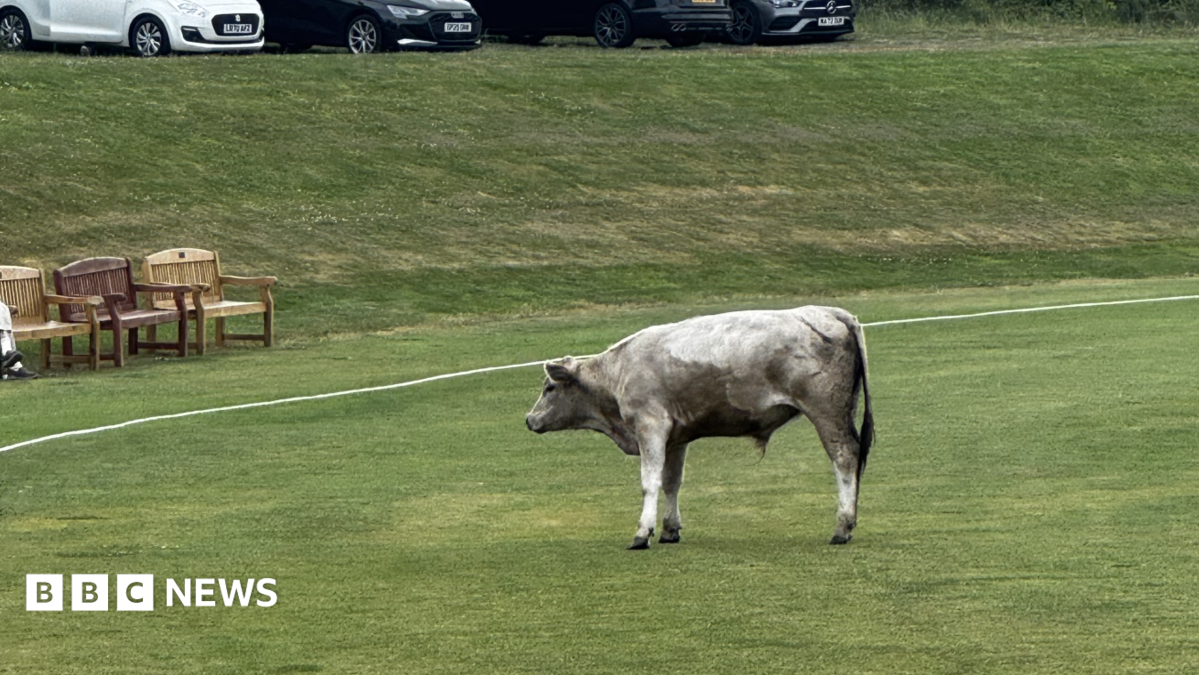
When play does take place on traditional pitches, local fixtures remain completely at the mercy of unpredictable external variables. In the North East Premier League, second-placed Burnopfield Cricket Club had built an impressive total of 226 runs against Hetton Lyons when an unprecedented disruption brought the match to a sudden halt. At roughly 15:00 BST, an 800kg (126-stone) juvenile bull escaped from a farm one mile away and charged onto the playing field.
Attempts to clear the animal proved chaotic. The bull's owner brought a cow to the ground in a bid to entice the animal off the pitch, but the juvenile beast charged at players and hit one of two farmers attempting to restrain it. Police were eventually summoned before the bull departed of its own accord, forcing the total abandonment of the fixture.
At first it was quite novel, it was quite funny, but we never thought it was going to impact on our game being abandoned,said Burnopfield director Martin Oswell.There was no chance that the game was going to restart before the cut-off time.BBC News
Logistical tension of a different kind unfolded in Dorset, where Parley Cricket Club’s U11 squad wrapped up their season against Poole. Despite early morning car troubles for the management team, volunteers Alan, Adam, and Lucy managed pitch setup and opened the cafe while players warmed up under threatening skies. Misty, drizzling conditions forced tactical side-line discussions; Chairman Steve briefly restrained Harry's dad Alan in a half-nelson while demanding pitch covers be brought on, before a quick U-turn allowed play to resume.
On the field, Parley’s tactical discipline carried the day. Captains Fin and Viraaj directed field placements, supported by managerial adjustments at mid-on and mid-off that led to Viraaj taking a catch off Finlay to remove a Poole opener. Theo returned from a severe shoulder injury—having recently removed his plaster cast—to claim two wickets, while Ollie and Tunal sustained their consistent seasonal form. Viraaj added two late wickets with sharp turn and bounce, restricting a strong Poole side that had previously defeated both Wimborne and Bournemouth earlier in the campaign. In the run chase, Harry and Viraaj laid a steady foundation before Aayush delivered the final winning blows to lock in the victory.
Empire United and Vardy’s Rochester Blueprint
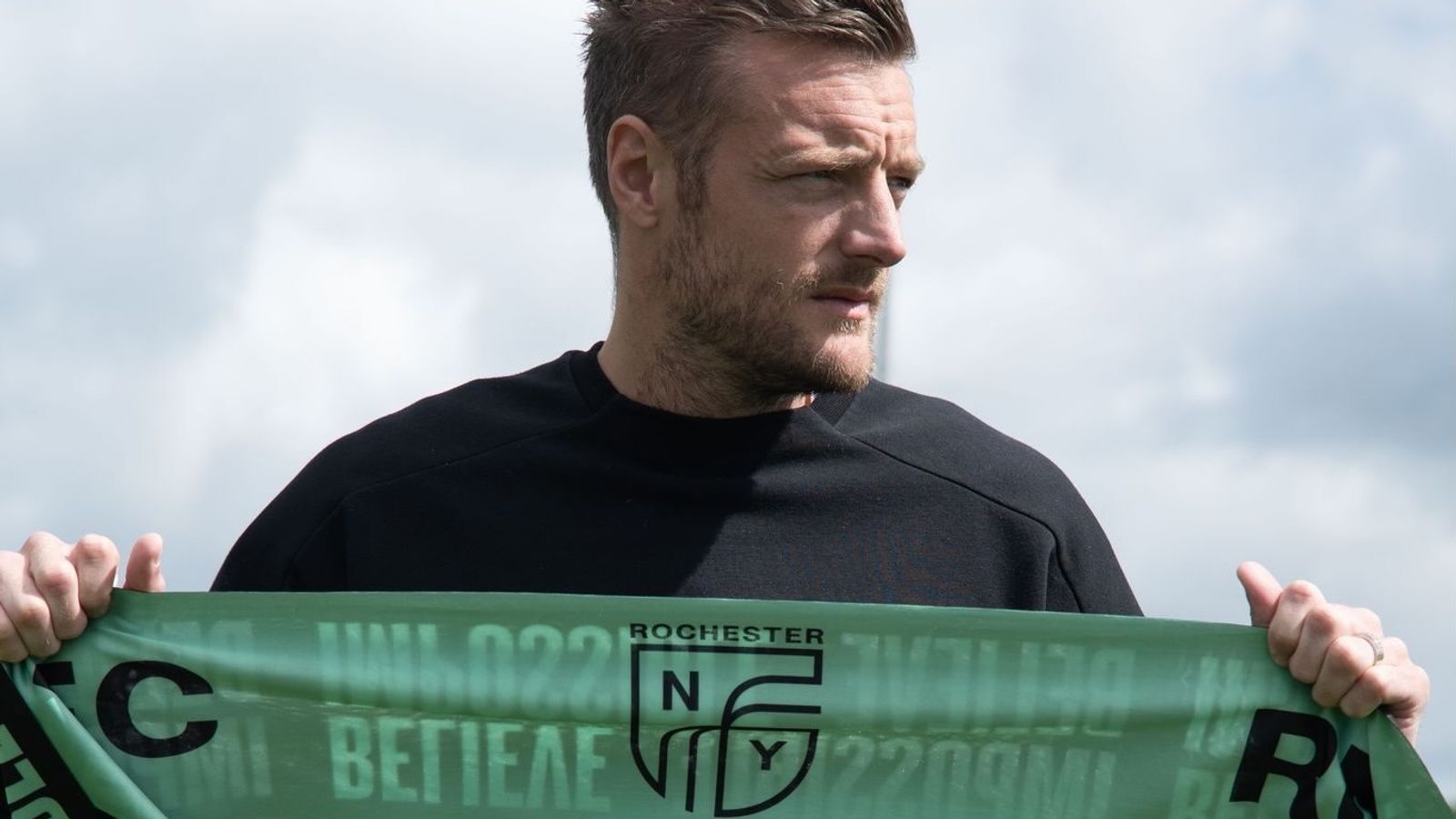
The imperative to secure facilities and structure long-term growth extends well beyond local cricket clubs. In North American soccer, Rochester New York FC (formerly the Rochester Rhinos) underwent a complete structural rebrand to relaunch professional play following four years without competitive matches. Co-owned by Leicester City striker Jamie Vardy, who acquired a minority stake, the historic club—originally formed in 1996—remains the only non-MLS club to have won the US Open Cup, alongside four national championships.
Rebranding under the motto Believe Impossible,
the organization set its sights on entering professional competition in 2022, negotiating with leagues including MLS Lower Division League (MLS LDL). A cornerstone of the project focuses directly on local talent development and facility integration through a partnership with Empire United Soccer Academy.

That slogan is what we are all about,Vardy said, drawing parallels between the club's hiatus and his own career trajectory from non-league football to Premier League champion.I've been written off so many times in my career - nearly as many as the Rochester Rhinos. We believe we can win trophies again and prove people wrong. This is what inspires me on and off the pitch. We will never forget the legacy of the Rhinos and the great things the team did, but now it's time to build on that and look forward as Rochester New York FC.Sky Sports
Modeled in part after Vardy’s V9 Academy in England—which created opportunities for non-league players to transition into professional football—the collaboration with Empire United aims to construct a direct local pathway to the first team. Whether through urban tapeball programs, resilient local league setups, or academy partnerships attached to professional rebrands, the continuity of sport relies on organizations successfully adapting their facilities and competitive structures to meet local demands.
Sources
These sources formed the evidence pack for this article. Links open the original publisher; inclusion does not imply endorsement.
- parleycricketclub.co.uk original
- chancetoshine.org original
- skysports.com original
- bbc.co.uk original


