A Week 1 offensive explosion in Charlotte turned heads across the NFC North, but Sunday’s divisional clash at Soldier Field tests whether Chicago’s newly unleashed ground game can breach a stubborn psychological barrier. Ben Johnson’s Bears dismantled the Carolina Panthers 59-37 behind 291 rushing yards and six touchdowns on the ground, establishing early authority after an 11-6 divisional title campaign in 2025. Yet the visiting Minnesota Vikings arrive in Chicago with a streak that spans seven years: six consecutive road victories at Soldier Field dating back to 2019. Minnesota rallied from a 12-point third-quarter deficit to beat the Green Bay Packers 39-22 in their opener, even while being outgained 419 to 239 in total yards and losing starting quarterback Kyler Murray to a first-quarter concussion.
While Chicago holds home-field advantage and a 5.5-point spread cushion, recent history at Soldier Field swings heavily toward Minnesota. The Vikings visit the Windy City searching for their seventh consecutive road victory over the Bears, though five of those six wins were decided by a single score. Last season’s series split showcased that razor-thin line: J.J. McCarthy rallied Minnesota from a fourth-quarter deficit for a 27-24 win in Chicago, before the Bears responded later in the year when a long kickoff return positioned Cairo Santos for a game-winning 48-yard field goal as time expired in a 19-17 thriller.
Quarterback Protocol Debates and Chicago's Ground Surge
The central narrative leading into kickoff revolves around Minnesota’s situation under center. With Kyler Murray navigating concussion protocol and ESPN’s Adam Schefter indicating initial outlooks for his Week 2 availability are unpromising, veteran Carson Wentz stands ready to make his first start of the campaign after stepping in against Green Bay to throw three touchdown passes on 12-of-19 passing for 133 yards. Should Murray sit, McCarthy will serve as the backup.
On 1st & SKOL during The Real Forno Show, analysts Tyler Forness and Dave Stefano framed the debate facing head coach Kevin O'Connell. Forness urged caution, recalling Christian Darrisaw’s protocol relapse in 2022 as reason to hold Murray out rather than risk a multi-week absence. Stefano argued that if independent neurologists clear the starter, he must play, noting Murray's status as a one-year rental. Both host and analyst agreed O'Connell will follow medical directives, but the underlying friction underscores how much rides on Minnesota’s passing stability.
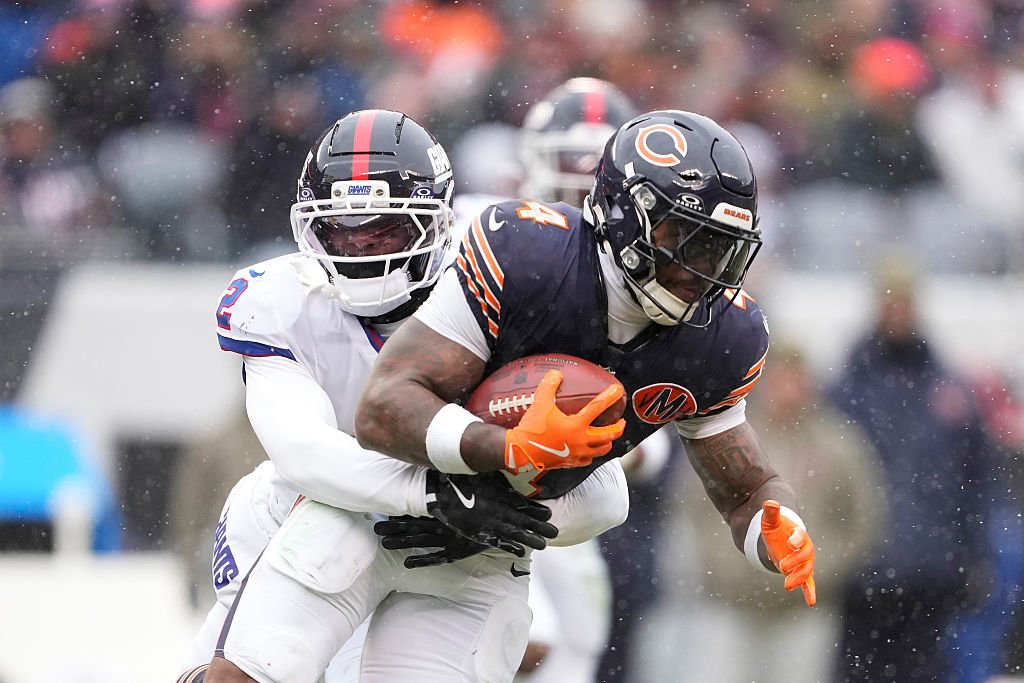
In contrast, Chicago’s attack functioned with effortless balance in Week 1. D'Andre Swift posted three rushing touchdowns while Kyle Monangai ripped off 100 yards on 10 carries, driving an explosive 7.5 yards per rush over 39 attempts. Behind that dominant front line, Caleb distributed the ball with total efficiency, racking up 269 passing yards, two touchdowns, zero interceptions, and a 124.1 passer rating.

| Metric / Statistic | Minnesota Vikings (vs. GB) | Chicago Bears (at CAR) |
|---|---|---|
| Game Result | 39-22 Win | 59-37 Win |
| Total Offense | 239 Total Yards | 560 Total Yards |
| Rushing Production | Capitalized on takeaways | 291 YDS (39 CAR, 7.5 YPC, 6 TDs) |
| Passing Leader | C. Wentz: 12/19, 133 YDS, 3 TD | Caleb: 269 YDS, 2 TD, 0 INT (124.1 RTG) |
Schematic Pressures and Field-Position Leverage
While Minnesota’s defense capitalized on takeaways to pull away from Green Bay, allowing 419 total yards leaves structural questions for Brian Flores. Facing a Chicago running game capable of staying ahead on down and distance creates a tactical conflict. When Chicago consistently manages second-and-short situations, high-risk pressure packages lose their bite, allowing Caleb to operate off play-action without facing obvious third-and-long coverage looks.
For Chicago, sustaining early-down efficiency forces Minnesota out of standard defensive rotations. If Swift and Monangai continue to generate chunks on wide-zone looks, Chicago can control tempo and limit Minnesota's total offensive possessions.
Evidence-Led Forecast: Soldier Field Matchup Dynamics
Likely Tactical Pattern: Expect Ben Johnson to test Minnesota’s interior front early using multi-tight end sets to keep Brian Flores from leaning into lighter defensive alignments. By establishing leverage on early downs, Chicago can open up high-percentage passing windows for Caleb. Offensively, Minnesota will rely on Wentz to execute quick-release throws off short drops, aiming to maintain clock control and manage long drives.
Decisive Matchup: Chicago’s interior offensive line against Minnesota’s defensive front on first down. If Minnesota holds Chicago under 4.0 yards per carry on early rushing attempts, Flores can dial up third-down pressure packages to test Caleb in clear passing situations.
Strongest Counter-Case: Minnesota’s six-game winning streak at Soldier Field relies on opportunistic takeaways and red-zone leverage. If Wentz maintains his Week 1 efficiency inside the 20-yard line and Minnesota forces multiple turnovers, the Vikings can control the game script and secure a seventh straight road win in Chicago regardless of total yardage totals.
What Would Change the Read: A late medical clearance allowing Kyler Murray to clear protocol and start would shift Minnesota’s offensive playbook, forcing Chicago’s defense to account for dual-threat mobility rather than stacking defenders to defend Wentz inside the pocket.
Sources
These sources formed the evidence pack for this article. Links open the original publisher; inclusion does not imply endorsement.
- dailynorseman.com original
- vikings.com original
- nbcsports.com original
- chicagotribune.com original