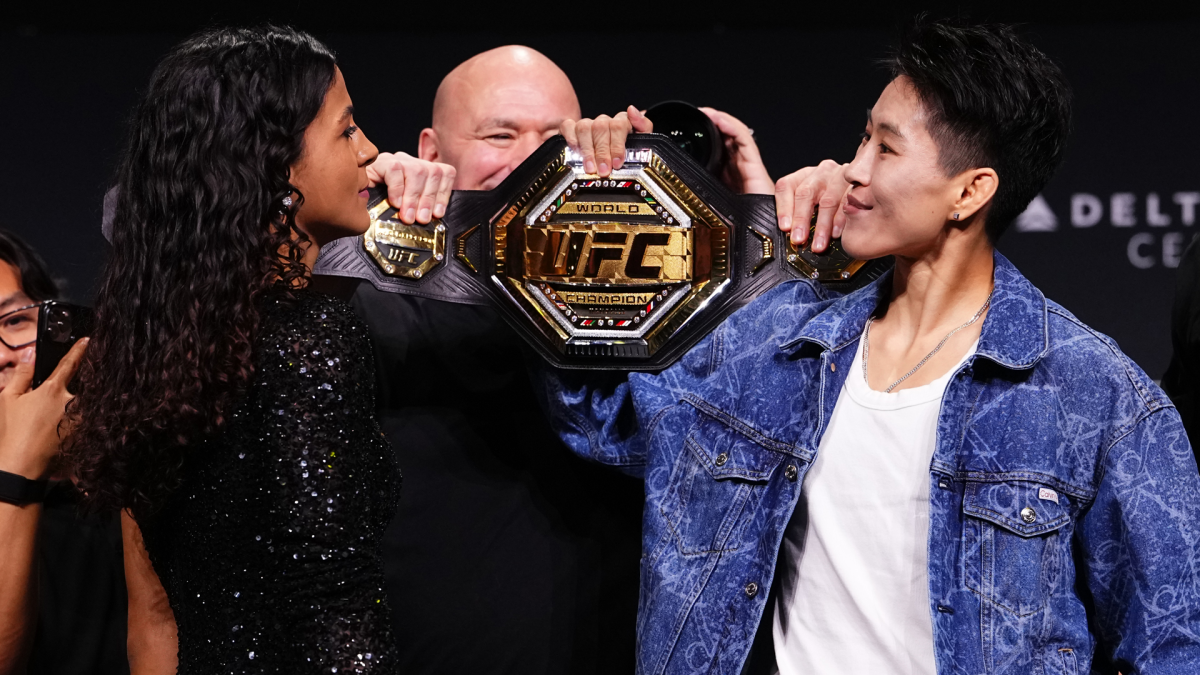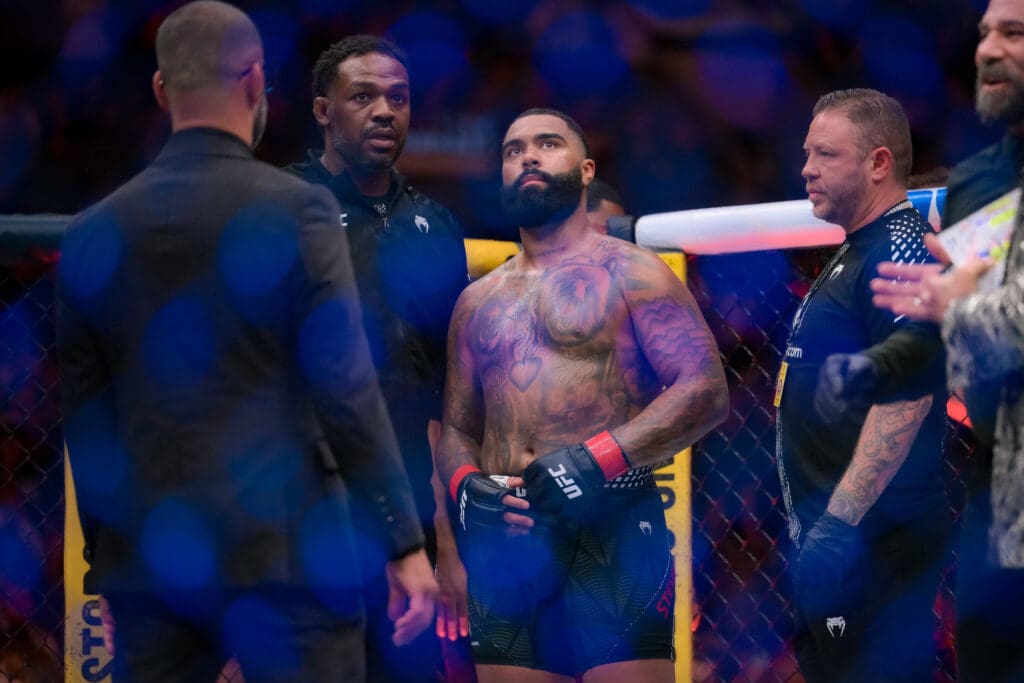
Mixed martial arts has evolved from its chaotic 1993 origins—when the sport operated without weight classes, gloves, or clear time limits—into a hyper-regulated, billion-dollar mainstream spectacle. Today, high-stakes cards regularly sell out football stadiums while drawing intense digital engagement through viral highlight sharing. For fans looking to tap into the action, navigating the modern broadcast ecosystem requires understanding how regional streaming rights and television networks divide the global calendar.
Whether you are tracking elite Ultimate Fighting Championship fixtures, Professional Fighters League cards, or regional powerhouses, the viewing mechanics vary significantly by territory and promotion. In the Czech Republic and surrounding regions, combat sports enthusiasts track schedules month-by-month to catch weekend events live. For fans following the Professional Fighters League, streaming rights are anchored by platforms such as Tipsport TV, which also offers extensive live access to other major regional circuits.
The Architecture of a Bout: Rounds and Regulations
Understanding the broadcast flow starts with understanding the geometry of the cage and the strict time architecture of modern bouts. Unlike traditional sports with running clocks, MMA operates on distinct interval frames that build cumulative fatigue and tension:
- Championship Bouts: Formatted strictly across 5 rounds, with each round lasting 5 minutes of high-intensity combat.
- Standard Ranking Bouts: Scheduled for 3 rounds, each lasting 5 minutes, leaving zero margin for pacing errors.
- Catchweight and Special Rules: Variations are predetermined by athletic commissions or promotional agreements, though standard time limits generally apply.
As analysts frequently point out, every single second inside the cage carries volatility. A fighter can dominate grappling exchanges for fourteen minutes only to absorb a sudden, fight-ending blow in the final moments. This inherent unpredictability is precisely why live broadcasts command such intense audience retention compared to traditional stick-and-ball leagues.
Regional Promotion Access and Local Ecosystems
While the UFC remains the premier global organization with dedicated digital and television ecosystems worldwide, regional promotions command fiercely loyal local audiences. In Central Europe, Oktagon MMA has built a massive following, with events accessible via live online streams and select platform integrations—including seven-day trial windows on services like Tipsport TV. Other notable circuits such as KSW, RFA, and the Asian powerhouse ONE Championship each distribute their cards through distinct localized broadcast partnerships.
The Digital-First Shift
The modern MMA audience does not simply watch an event; they participate in real-time digital syndication. From instantaneous clip sharing on social media during fight week weigh-ins to community forum breakdowns, the broadcast experience extends far beyond the television screen. Promoters have capitalized on this zippy, multi-platform era by feeding digital channels with live post-fight press conferences, weigh-in drama, and behind-the-scenes preview shows.
Ultimately, catching MMA live today means balancing linear sports networks against specialized streaming subscriptions. By checking month-to-month calendar breakdowns and confirming regional broadcast partners before fight night, fans can ensure they never miss a second of the sport's relentless momentum.
Sources
These sources formed the evidence pack for this article. Links open the original publisher; inclusion does not imply endorsement.
- sherdog.com original
- fight-live.cz original
- bjpenn.com original