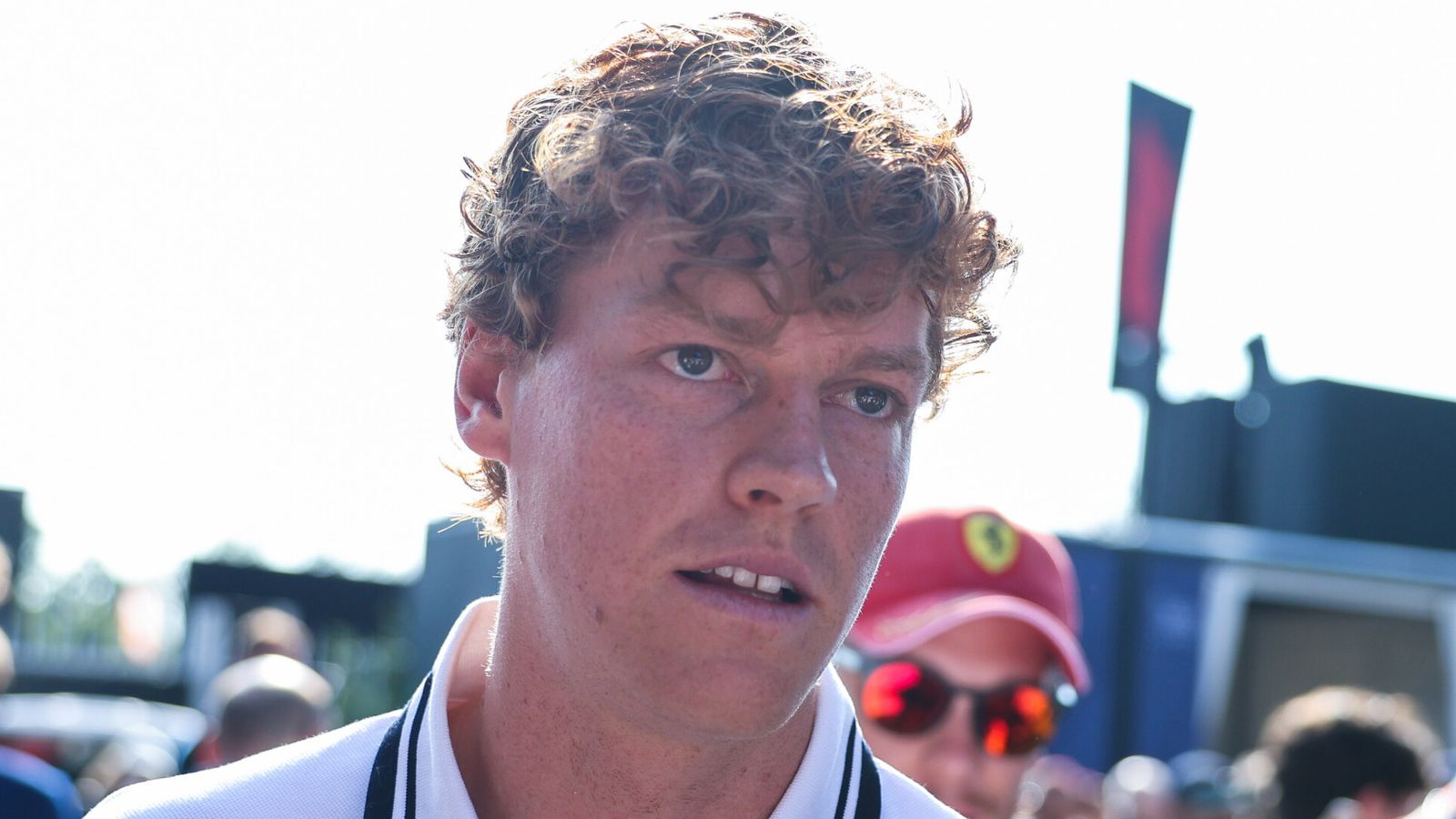
The ranking suggests a routine Sunday at IGA Stadium: Jaume Munar, world number 43, walks into the first round of the Canadian Open against Rinky Hijikata, world number 93. The scoreboard, if the eve-of-match preview from The Stats Zone is to be trusted, is less sure. Rinky Hijikata to win
The Stats Zone, the tip reads, with the caveat that a third set is the most likely shape of the afternoon. The reasoning is not a ranking rebellion. It is a reading of the surface.
Munar is, in the most literal ATP-tour sense, a clay-court player holding a hard-court ranking. His career high came at the back end of 2025, the dividend of a season that ran through Madrid, Rome and Roland-Garros. An injury earlier this season broke the rhythm, and his 2026 win column, ten victories in main draws by the time he boarded the flight to Montreal, is respectable rather than imposing. The wins have not always carried the authority the ranking implies.
Hijikata's ten main-draw wins in the same window carry a different texture. The Australian sits fifty places below Munar in the ATP table, but he is operating as the kind of player who treats a first-round ATP 1000 as a free swing. Where Munar's heavy topspin forehand and sliding defense are tuned to the dirt of Europe, Hijikata's flatter ball-striking is structurally suited to the outdoor hardcourts of North America. The comparison is not complicated: Munar's preferred weapon becomes less reliable exactly when the calendar demands it most.
The Rome Tape as a Cautionary Map
The only direct sample the tour offers comes from Rome, in 2024, where Munar took the meeting 6-4, 7-5 on the red clay of the Italian Open. The Stats Zone preview frames it the right way: with Jaume playing his best tennis. Even at the peak of his clay form, with the surface, the crowd and the rhythm of his preferred court, Hijikata did not roll over. He forced Munar to serve out two tight sets and made every service game of consequence feel earned. That is the headline and the warning in one scoreline.

Flip the surface and the geometry changes. On outdoor hard, Munar's heavier topspin loops flatter become more reactive shots to attack. The sliding defense that buys him time on clay becomes a footwork puzzle on IGA Stadium's surface. Rallies compress. Points resolve faster. The margin shrinks on the backhand side, where Munar's steadiest backboard lives.
Two Seasons of a Different Shape
Munar's 2026 has been a fight against inertia. The injury that interrupted his early-season rhythm cost him the kind of matches that compound ranking points, and his return has been a search for altitude rather than a coronation. The clay swing remains his clearest runway back to form; Montreal is a hard-court pit stop on a calendar that will eventually drag him back to European dirt in autumn.
Hijikata's 2026 has been about definition. Listed as the underdog in the bracket and below the top-90 line in the ATP rankings, the Australian plays with the kind of profile that thrives as a spoiler: lower ranking, fewer points to defend, and a freer grip on the baseline exchanges that the seeded player would rather not have to play.
Evidence-Led Forecast
Likely tactical pattern. Munar will try to extend the rallies and drag the match into the kind of grinding exchanges that favor a clay specialist's stamina and his counterpunching instincts. Hijikata will look to take the ball early on the return, keep his ball flight flat, and shorten the points before Munar's defense can settle. On an outdoor hard court of moderate speed, the player who dictates pace usually wins the third set.
Decisive matchup. Munar's first-serve percentage against Hijikata's return depth. If Munar lands 65 percent or more of his first serves and keeps the points short, the surface mismatch becomes less relevant and his return game can go to work. If he slips below that mark and is pulled into baseline exchanges from 30-all or deuce, the match tilts to the Australian — analysis, not forecast.
Strongest counter-case. Munar's 2025 form was built on movement, disguise and an ability to flip direction against cleaner ball-strikers. If even a fraction of that tool kit survives the surface change, he can out-grind Hijikata in a deciding set. The IGA Stadium hardcourts are not the fastest on tour, which blunts the read in Munar's favor more than the pre-match numbers suggest.
What would change the read. An aggressive, free-swinging opener from Munar in the first set. A clean hold-to-30 and an early break would erase the surface conversation and let the ranking gap reassert itself. Conversely, if Hijikata steals the first set with the kind of composed serving he showed in his win over Denis Shapovalov earlier this summer, the upset math starts to look less like a gamble and more like a forecast.
What the Winner Takes Forward
Past the first round, the Canadian Open bracket offers the depth that punishes lingering in the early matches. A win hands the victor a date with a seeded name in round two and, more importantly, the kind of ranking points that re-stake a season. For Munar, a victory is a statement that his 2025 peak has not evaporated under the injury cloud; for Hijikata, a win is the kind of result that compounds, the sort of match that turns a No. 93 ranking into a top-60 trajectory by the time the US Open hardcourts arrive.
Either way, the scoreboard in Montreal will have less to do with the digits beside their names and more to do with whose instincts survive the surface change. For Munar, that is the entire question of his 2026 season, distilled into two sets of tennis on a hardcourt he did not choose.
Sources
These sources formed the evidence pack for this article. Links open the original publisher; inclusion does not imply endorsement.
- lequipe.fr original
- thestatszone.com original
- tennis.icdb.tv original
- 365scores.com original
- aiscore.com original
- livescore.tennis365.com original