A severe atmospheric system driven by a cold vortex from neighboring Mongolia has battered northern China with typhoon-like gales, forcing Beijing to issue its second-highest gale warning to 22 million residents. Packing gusts reaching 90 mph, the fierce windstorms rocked infrastructure across the capital, shaking windows, crashing trees onto cars and footpaths, and prompting flight cancellations alongside closures at major historic outdoor sites.
Mongolian Cold Vortex Drives 90 MPH Gusts Across Beijing
The severe weather system took hold late in the week and maintained dangerous conditions over the weekend. Ground-level operations across northern China faced immediate disruptions as powerful winds swept through metropolitan transit corridors and historic landmarks:
- Flight Operations Grounded: Gusting winds in and around Beijing forced airlines to cancel flights as dangerous air currents compromised airport safety.
- Landmark and Venue Closures: Historic outdoor sites across the capital locked their gates to protect visitors from falling branches and structural hazards.
- Ground-Level Damage: Winds reaching up to 90 mph continuously rattled residential windows and brought down mature trees across city footpaths and parked vehicles.
The cold air mass plunging south from Mongolia did not stop at the capital's municipal borders. State broadcaster CCTV reported that sandstorms crippled road transit across eight provinces, spanning a vast corridor from Inner Mongolia down toward the Yangtze River region. While spring dust sweeps carrying sand from Mongolia remain a routine seasonal occurrence, changing climate patterns have amplified the intensity of these atmospheric events.
Tracking Regional Storm Systems and Sandstorm Migration
| Region | Weather Event | Recorded Operational Impact |
|---|---|---|
| Beijing Municipal Area | Gusts up to 90 mph | Flight cancellations, historic site closures, second-highest gale warning. |
| Inner Mongolia | Late snowfalls and sandstorms | Sandstorm source area contributing to multi-province road disruptions. |
| 8 Northern Provinces | Widespread sandstorms | Crippled road travel from Inner Mongolia to the Yangtze River region. |
| Southern China | Hailstone showers | Convective weather activity reported during cold front passage. |
| Shanghai | Southward sandstorm drift | Sandstorms expected to impact the region from Saturday afternoon through Sunday. |
High-Altitude Westerlies and Transcontinental Drift
Upper-atmosphere wind systems have simultaneously drawn intense international scrutiny following high-altitude atmospheric events shaped by force majeure. In a separate incident highlighting transcontinental air dynamics, a Chinese high-altitude craft—described by Beijing as a civilian airship used primarily for meteorological research—was pushed far off its planned trajectory by high-altitude Westerlies.
According to China's foreign ministry, the craft possessed limited self-steering capability and entered overseas airspace after encountering unexpected wind forces. Affected by the Westerlies and with limited self-steering capability, the airship deviated far from its planned course,
statement officials noted, expressing regret for the unintended entry into foreign airspace.
Measuring roughly the length of three buses, the pale round object traversed Alaska's Aleutian Islands and Canadian airspace before lingering above Billings, Montana. The prolonged high-altitude transit drew public notice and military tracking across North America.
— Chase Doak, Billings office worker"I thought maybe it was a legitimate UFO. So I wanted to make sure I documented it and took as many photos as I could."
Defense commanders tracked the high-altitude surveillance device as it hung above sensitive locations for an extended period. Military leaders advised against shooting down the object over land due to risk from falling debris and limited actionable intelligence value. The event triggered diplomatic actions, including Canada summoning China's ambassador and US Secretary of State Antony Blinken preparing high-level talks in Beijing addressing security, Taiwan, and public health.
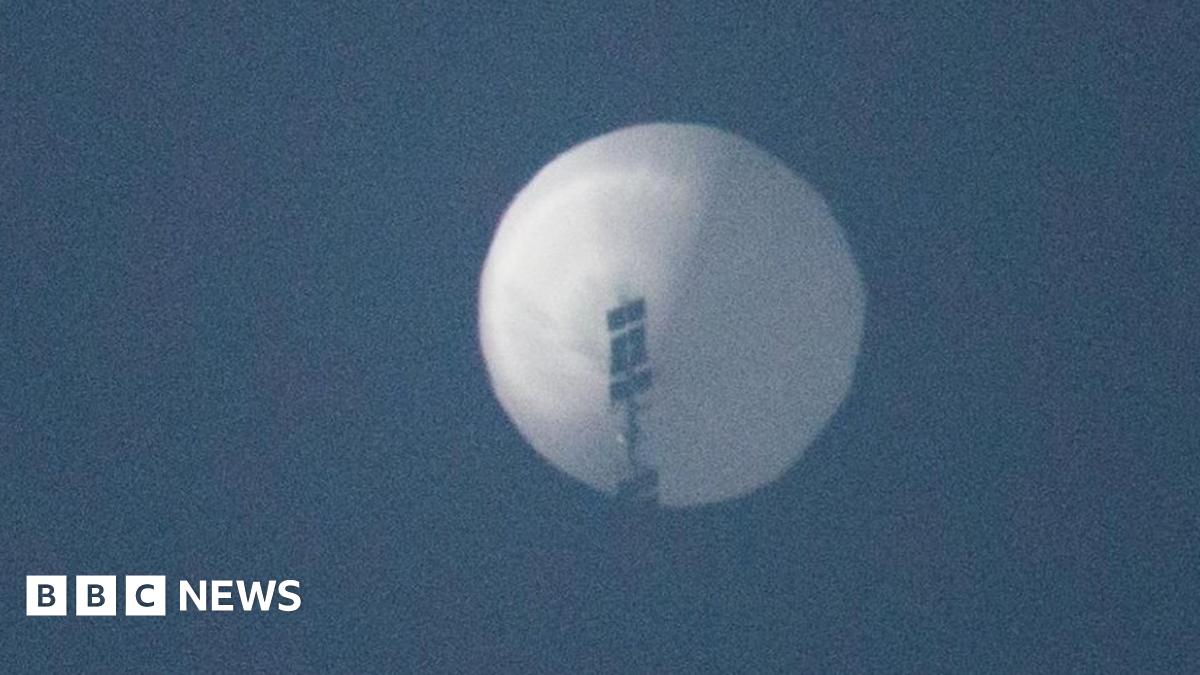
Whether responding to 90 mph gales along Beijing's thoroughfares or tracking high-altitude Westerlies across continental flight paths, extreme wind patterns remain a critical factor shaping operational safety and public logistics across global regions.
Sources
These sources formed the evidence pack for this article. Links open the original publisher; inclusion does not imply endorsement.
- bbc.co.uk original
- bbc.com original
- yahoo.com original
- global.chinadaily.com.cn original