Scores, fixtures and picks
These fixtures are connected to teams or competitions named in the article. Live status and scores come from the normalized SportyPulses data feed; predictions are reader picks, not betting advice.
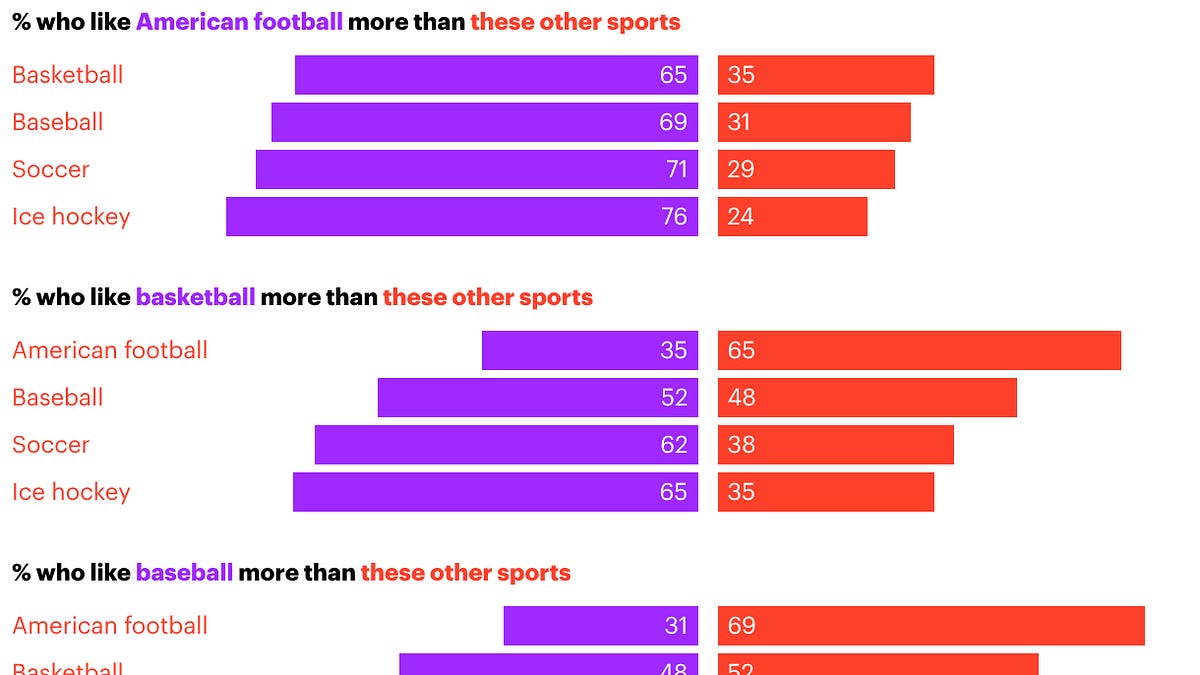
When YouGov asked Americans to pit five major sports against one another in every possible head-to-head combination, the results did not merely confirm existing loyalties—they mapped the exact contours of an unyielding cultural monopoly. Conducted as the summer’s global soccer tournament reached its peak and baseball pennant races began to heat up, the polling data demonstrates that American football commands a heavy, undisputed lead in the public consciousness, clearing rival sports by double-digit margins before NFL training camps even open.
According to the findings published by David H. Montgomery, 71% of respondents with a preference choose football over soccer, 69% prefer it over baseball, 65% favor it over basketball, and 76% rank it above ice hockey. Even among demographic subgroups where alternative sports hold substantial sway, football maintains top-tier status across the board.
Yet looking past the monolith of the gridiron reveals a fractured landscape where age, race, and background dictate entirely different sporting allegiances. While older generations anchor baseball's enduring footprint, younger demographics are steadily redrawing the map toward soccer and basketball.
Demographic Fault Lines: Age and Cultural Divides
The polling data highlights a sharp generational divergence in how Americans consume and prioritize athletics. Majorities of adults aged 45 and older lean heavily toward baseball, preferring it over basketball (61%), hockey (73%), and soccer (74%). Conversely, younger adults display a pronounced tilt toward soccer: 61% prefer soccer to baseball, and 66% choose it over hockey. Views on basketball among younger demographics remain tightly contested, split evenly at 46% preferring soccer against 54% backing basketball.
Racial and ethnic variations further fracture the secondary tiers of U.S. fandom:
- Black Americans: Basketball dominates outside of football, with 90% favoring it over hockey, 83% over soccer, and 82% over baseball.
- Hispanic Americans: Soccer emerges with notable strength, where 67% prefer it to hockey, 56% to baseball, and 53% to basketball.
- White Americans: Baseball retains strong partisans, with 63% choosing it over hockey, 64% over soccer, and 54% over basketball.
Despite these distinct group preferences, football captures the majority share among Black, Hispanic, and white demographics alike, cementing its status as the unifying focal point of American sports culture.
Contextualizing the Fandom Spectrum
To understand the weight of these head-to-head choices, it helps to look at broader engagement metrics. General interest in sports skews heavily by gender, with 69% of men reporting they are at least somewhat interested compared to 44% of women. Furthermore, while younger adults under 45 are no more likely than older cohorts to follow sports broadly, they are more concentrated at the high end of engagement, with 29% identifying as "very interested" compared to 19% of older adults.
This data aligns with historical tracking from organizations like Gallup and Pew Research Center, which have long documented football's reign as the nation's premier spectator sport since it eclipsed baseball in the 1970s. While historical surveys indicate that roughly 41% to 53% of Americans point to football as their outright favorite or national sport, YouGov's paired-comparison approach exposes the depth of the margin by which other sports trail behind.
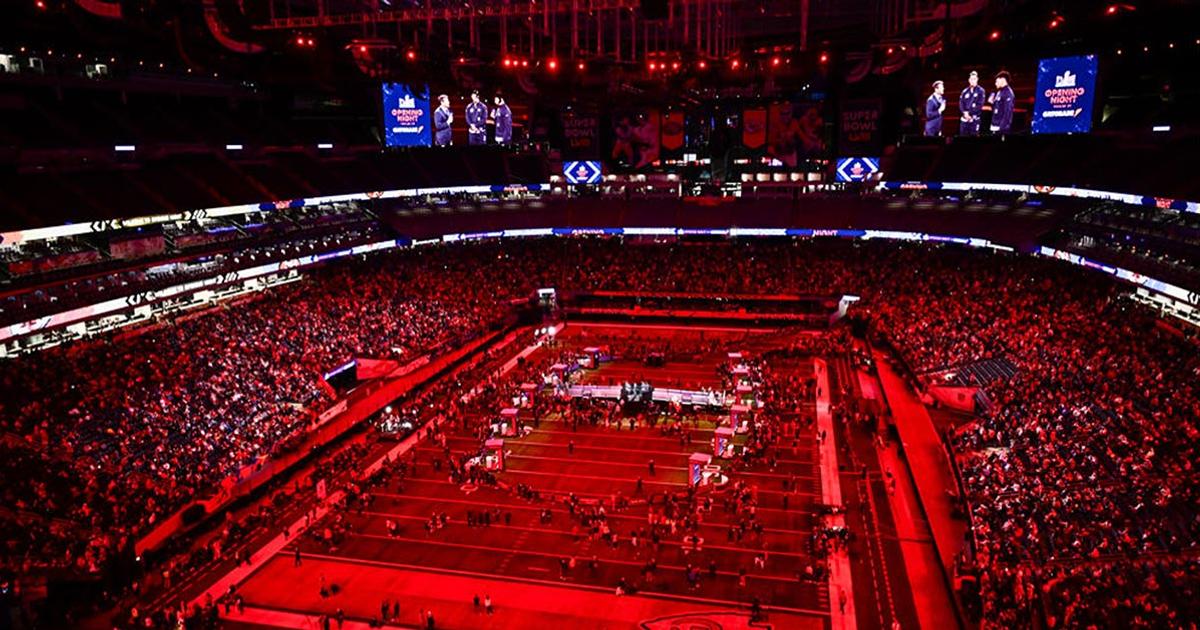
As these viewing habits evolve, the tension between legacy traditions like baseball and surging global alternatives like soccer points to a shifting future. For now, however, the numbers offer a clear verdict: American sports fandom remains a kingdom ruled entirely by the gridiron, with every other sport vying for position in its shadow.
Sources
These sources formed the evidence pack for this article. Links open the original publisher; inclusion does not imply endorsement.
- David H. Montgomery original
- huffpost.com original
- Gallup, Inc. original
- John Gramlich original
- YouGov original